Maintaining a pristine hive environment is the single most critical preventative measure you can take against hive beetles. By diligently removing debris, particularly from the bottom board, you eliminate the primary conditions that attract these pests and support their reproductive cycle.
Core Takeaway Hive cleanliness acts as a powerful biological deterrent by removing the materials beetles rely on to breed. A clean hive denies beetles the shelter and food sources necessary for their larvae to thrive, effectively stopping the infestation before it begins.
The Mechanics of Beetle Management
Removing the Nursery
The accumulation of debris on the bottom board creates an ideal nursery for hive beetles.
According to standard management principles, beetles utilize this waste material as a safe harbor to shelter and rear their young.
Regular cleaning disrupts this habitat, leaving the beetles with nowhere to hide or develop.
Reducing Olfactory Attraction
Beetles are drawn to the scent of fermentation and hive waste.
A hive filled with debris signals a vulnerable target to passing beetles, inviting them to invade.
Keeping the hive clean neutralizes these attractants, making your colony significantly less interesting to scouting pests.
Enhancing Colony Defense
A cluttered hive divides the colony's attention and resources.
When bees are forced to navigate excessive debris, their ability to patrol and police the hive is compromised.
A clean environment allows the colony to focus its energy on identifying and harassing adult beetles.
Beyond the Bottom Board: Holistic Control
Managing the Soil Cycle
While internal cleanliness controls larvae, the soil outside the hive is where the lifecycle often concludes.
Larvae frequently leave the hive to pupate in the ground; treating the surrounding soil breaks this cycle.
Options include diatomaceous earth, permethrin, or introducing beneficial nematodes to hunt larvae in the earth.
Optimizing Hive Volume
Sanitation goes hand-in-hand with space management.
Removing unnecessary honey supers reduces the total territory the bees must defend.
By shrinking the patrol area, you empower the bees to drive out beetles more effectively.
Common Pitfalls to Avoid
Misunderstanding the Lifecycle
It is a mistake to assume cleaning the inside of the hive is the only necessary step.
Because beetle larvae often migrate to the soil to pupate, internal cleaning must be paired with external ground management for total control.
Ignoring the ground allows a new generation of beetles to mature and re-invade.
Over-Reliance on Chemicals
While chemical interventions exist, they are not a substitute for mechanical cleanliness.
Relying solely on treatments without addressing the hygiene of the bottom board treats the symptom, not the cause.
Organic methods, such as essential oils (thyme or neem), work best as repellents in an already clean system.
Making the Right Choice for Your Goal
To effectively manage hive beetles, you must align your actions with the current state of your apiary.
- If your primary focus is prevention: Prioritize regular inspections and cleaning of the bottom board to remove the debris that attracts beetles.
- If your primary focus is organic control: Supplement your cleaning routine with natural deterrents like diatomaceous earth or nematodes in the soil.
- If your primary focus is active infestation management: Immediately reduce the hive's physical space by removing supers to help the bees defend their territory.
A clean hive is a defensible hive; sanitation is the foundation of colony strength.
Summary Table:
| Factor | Impact on Beetle Management | Action Required |
|---|---|---|
| Bottom Board Debris | Provides a nursery for larvae and safe harbor for adults. | Regular cleaning/scraping of waste. |
| Hive Scent | Fermenting debris attracts scouting beetles. | Maintain high sanitation to neutralize odors. |
| Defensive Space | Excess hive volume makes it harder for bees to patrol. | Remove unused supers to shrink patrol area. |
| Soil Condition | Larvae pupate in the ground around the hive. | Apply nematodes or diatomaceous earth to soil. |
Secure Your Apiary with Professional Grade Solutions
At HONESTBEE, we understand that effective pest management starts with the right equipment. As a dedicated partner to commercial apiaries and distributors, we provide a comprehensive wholesale range designed to keep your colonies thriving.
From high-precision hive-making machinery that ensures a perfect fit for pest-resistant designs to specialized beekeeping tools and industry consumables, our portfolio is built to enhance your operational efficiency. Whether you need heavy-duty honey-filling machines or essential hardware, we deliver the quality you need to scale your business.
Ready to upgrade your beekeeping operations?
Contact HONESTBEE today to explore our wholesale catalog and see how our equipment can streamline your hive management.
Related Products
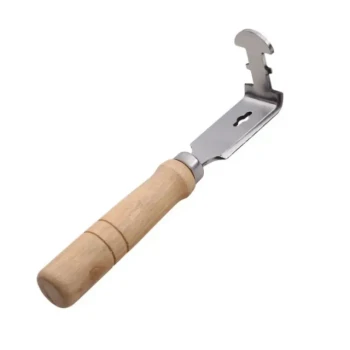
- Precision Stainless Steel Frame Cleaner for Hive Grooves and Corners
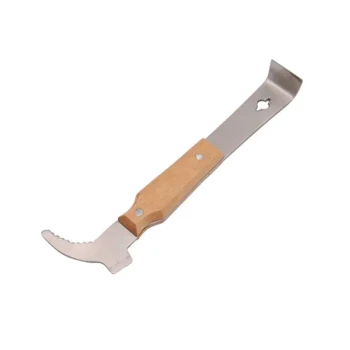
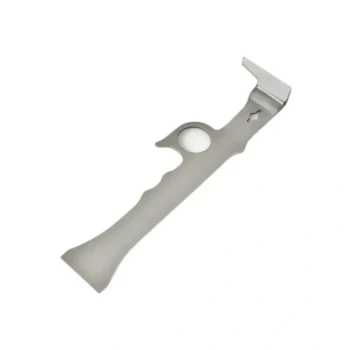
- Professional Multi-Function Stainless Steel Hive Tool
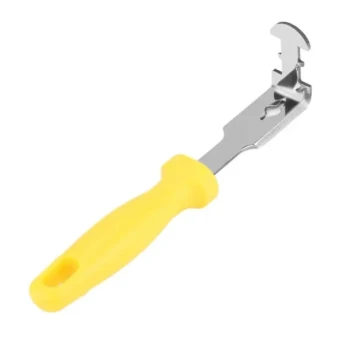
- Stainless Steel J Hook Hive Tool for Beekeeping
- HONESTBEE Professional Multi-Functional Hive Tool with Ergonomic Wood Handle
- Professional Stainless Steel Frame Cleaner with Ergonomic Wood Handle
People Also Ask
- What tools are recommended for cleaning hive frames? Top 4 Essential Maintenance Tools for Beekeepers
- What are the primary functions of a stainless steel hive tool? Essential Equipment for Professional Beekeeping
- What is the function of a professional stainless steel hive tool in IFB? Optimize Your Colony Strength Assessment
- What are the primary functions of a stainless steel hive tool? Essential Tips for Efficient Apiary Maintenance
- Which technical challenges in hive maintenance are addressed by using a professional stainless steel hive tool?