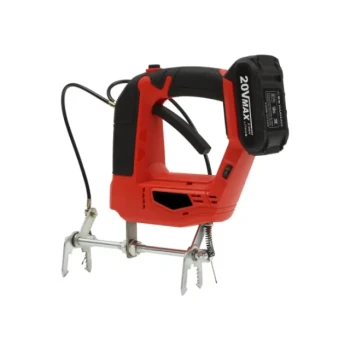
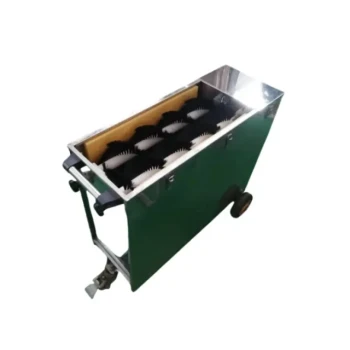
Preserving the biological integrity of the harvest is the sole reason industrial-grade low-temperature equipment is non-negotiable in this process. This machinery maintains a stable, cold environment during collection to immediately inhibit enzyme activity and prevent the oxidation of crude proteins. Without this thermal control, the heat-sensitive bioactive hormones that define the product's value would degrade rapidly.
The Core Takeaway Drone bee larvae homogenate derives its market value from thermolabile (heat-sensitive) compounds. Industrial low-temperature harvesting equipment acts as a biological "pause button," halting enzymatic breakdown and oxidation to ensure components like testosterone and estradiol remain physiologically active in the final product.
The Science of Bioactive Preservation
Protecting Thermolabile Hormones
The primary value proposition of drone bee larvae homogenate lies in its rich content of bioactive hormones, specifically testosterone and estradiol.
These substances are chemically unstable when exposed to heat. Industrial cooling equipment ensures these hormones remain intact from the moment of collection, preserving the product's physiological potency.
Halting Enzymatic Degradation
Upon harvesting, biological materials naturally begin to decompose due to internal enzyme activity.
Low-temperature equipment drastically slows or stops these enzymatic reactions. This stasis is critical for preventing the degradation of the larvae's structural and chemical composition before processing begins.
Preventing Protein Oxidation
The homogenate is rich in crude proteins which are highly susceptible to oxidation when exposed to air and ambient temperatures.
Industrial harvesting gear often integrates cold environments with sealed or vacuum capabilities to mitigate this risk. Keeping the biomass cold reduces the rate of oxidative reactions, preserving the nutritional profile of the proteins.
Commercial and Quality Implications
Ensuring Molecular Consistency
To create a uniform slurry that distributes fats, proteins, and hormones evenly, the raw material must be physically stable.
Harvesting at low temperatures ensures the larvae (often collected at specific developmental stages) retain their physical structure until they undergo high-shear homogenization. This consistency is vital for standardized dosing in the final commercial product.
From Byproduct to High-Value Asset
Drone larvae are often a byproduct of Varroa mite control strategies in apiaries.
By using specialized temperature-controlled equipment, beekeepers convert what would be biological waste into a profitable resource. However, this economic conversion is only viable if the "waste" is treated as a premium biological raw material through strict temperature management.
Understanding the Trade-offs
Capital Investment vs. Product Value
Implementing industrial-grade low-temperature harvesting requires significant upfront capital for specialized machinery and energy costs.
However, attempting to harvest without this equipment results in a product with degraded bioactivity. While cheaper to produce, a heat-degraded homogenate lacks the medicinal or nutritional efficacy required for the premium market, effectively rendering the effort utilizing specialized combs and labor wasted.
Complexity of the Cold Chain
Using this equipment introduces logistical complexity to the harvesting process.
Operators must maintain a continuous cold chain from the hive to the processing facility. Any lapse in temperature control during transport or initial storage can irreversibly trigger enzyme activity, compromising the entire batch regardless of downstream processing quality.
Making the Right Choice for Your Goals
To maximize the efficacy and profitability of drone bee larvae homogenate, your equipment choices must align with the chemical reality of the raw material.
- If your primary focus is Pharmaceutical Grade Potency: Prioritize equipment that maintains temperatures below environmental baselines to protect testosterone, estradiol, and decenoic acids.
- If your primary focus is Shelf-Life Extension: Ensure your harvesting workflow integrates seamlessly with vacuum or nitrogen-rich sealing systems to eliminate oxidation risks immediately.
Ultimately, temperature control is not an optional feature; it is the fundamental safeguard that transforms a biological byproduct into a bioactive therapeutic.
Summary Table:
| Feature | Biological Impact | Commercial Value |
|---|---|---|
| Hormone Protection | Prevents degradation of testosterone & estradiol | High-potency pharmaceutical grade |
| Enzyme Inhibition | Halts natural decomposition and chemical breakdown | Ensures molecular consistency |
| Oxidation Control | Protects crude proteins from air/heat damage | Extends shelf-life and nutritional profile |
| Cold Chain Stasis | Acts as a "pause button" for bioactive compounds | Transforms byproduct into premium asset |
Maximize Your Apiary’s Value with HONESTBEE
Turning drone larvae into high-value homogenate requires precision engineering. At HONESTBEE, we specialize in supporting commercial apiaries and distributors with the professional tools needed to succeed. From specialized hive-making and honey-filling machinery to comprehensive industrial consumables, we provide the full spectrum of equipment to maintain your cold chain and product integrity.
Ready to upgrade your production capabilities? Contact our expert team today to discover how our wholesale beekeeping solutions can enhance your efficiency and market value.
References
- A. N. Prikhod'ko, Andrey A. Skolov. Chemical composition of the far eastern homogenate of drone brood. DOI: 10.1051/e3sconf/202020304015
This article is also based on technical information from HonestBee Knowledge Base .
Related Products
- Plastic Beekeeping Honey Bee Larvae Grafting Tools for Queen Rearing and Chinese Grafting
- Full Set Beekeeping Electronic Bee Venom Collector Machine Device for Bee Venom Collecting
- Retractable Chinese Queen Rearing Grafting Tools Equipment
- Stainless Steel Queen Grafting Tool for Beekeeping and Bee Queen Grafting
- Plastic Chinese Queen Grafting Tool for Bee Queen Rearing
People Also Ask
- How do larvae grafting tools and royal jelly production kits contribute to a diversified bee product strategy?
- What happens if a larva is grafted too late? Avoid Scrub Queens and Failed Rearing
- What is the primary function of a Professional Bee Larvae Grafting Tool in queen rearing? Enhance Breeding Efficiency
- What is the grafting method of queen rearing? Master Controlled Queen Production for Your Apiary
- What is the primary function and technical requirement of a larvae grafting tool? Master Precision Queen Rearing