Inspecting beekeeping protective gear before spring is a fundamental safety protocol. You must examine and repair your equipment now because honey bee activity surges as temperatures rise. Identifying defects in suits, veils, and gloves prior to this awakening prevents accidental stings and ensures you are fully prepared for the labor-intensive management required at the start of the season.
Inspecting protective equipment before the season begins is not just about maintenance; it is a critical safety measure. Ensuring your veil, suit, and gloves are defect-free before the bees are active prevents injury and allows you to focus entirely on colony management during the busy spring rush.
The Strategic Value of Pre-Season Inspection
Timing and Bee Activity
The primary driver for early inspection is the biological cycle of the colony. As spring arrives, honey bees become active and potentially more defensive.
If you wait until the bees are flying to check your gear, you expose yourself to unnecessary risk. Conducting repairs while the bees are dormant guarantees a safer start to the season.
Preparation for Intensive Labor
Spring beekeeping involves heavy lifting, frequent inspections, and rapid decision-making.
Your gear must be ready to withstand the rigors of this intensive work. Discovering a broken zipper or a torn veil in the apiary will disrupt your workflow and compromise your safety.
Critical Inspection Zones
The Veil and Visual Clarity
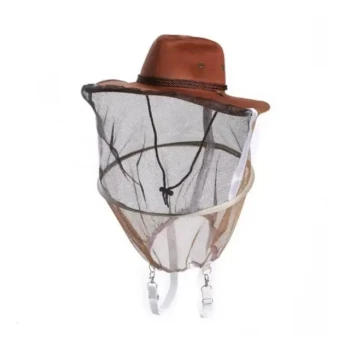
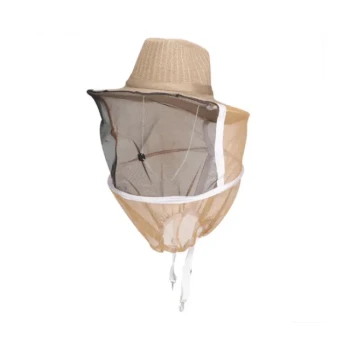
The veil is your most vital piece of protective equipment. It must provide a clear line of sight while maintaining a complete seal against the suit.
Check the mesh for tears and ensure the attachment mechanisms prevent any gaps. Even a minor breach in the veil can lead to panic and injury if a bee enters the facial area.
Suit Integrity and Hygiene
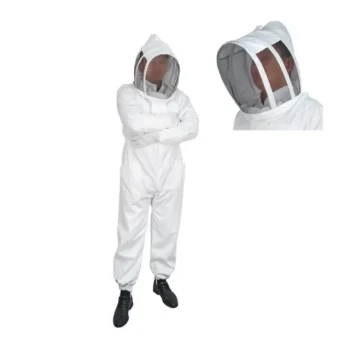
Protective suits and jackets should be laundered and inspected for general wear and tear.
Washing the gear not only maintains hygiene but often reveals thinning fabric or loose seams that might be missed when the garment is dirty. Pay close attention to elastic cuffs and zippers, as these are common failure points.
Glove Dexterity and Condition
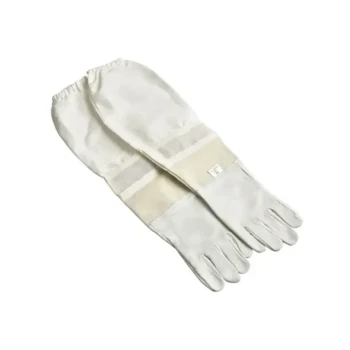
Gloves require a difficult balance between protection and the dexterity needed to handle frames.
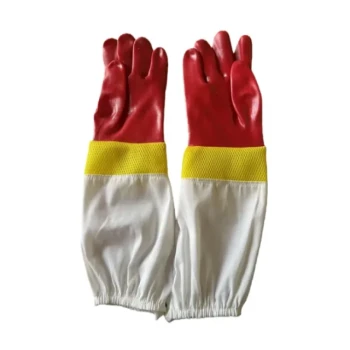
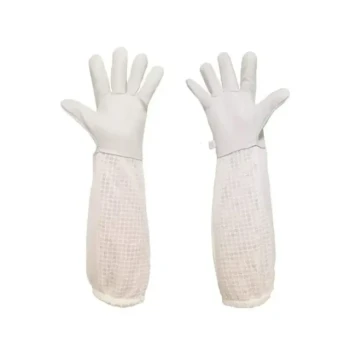
Inspect leather gloves for stiffness or cracks, and check rubber gloves for punctures. Compromised gloves reduce your tactile sensitivity, increasing the likelihood of crushing bees and inciting a defensive response.
Understanding the Trade-offs: Repair vs. Replace
The Limits of Repair
While repairing minor tears in a canvas suit is cost-effective, you must recognize when gear has reached the end of its lifespan.
Patching a suit is generally acceptable, but patching a veil is rarely advisable. Any obstruction to your vision or structural weakness in the mesh creates a safety hazard that outweighs the cost of a replacement.
The Cost of Deferred Maintenance
Delaying replacement of worn items, particularly gloves, often results in "false economy."
Stiff or damaged gloves make you clumsy. The time lost struggling with equipment and the pain of potential stings cost far more in productivity than investing in new, functional gear.
Making the Right Choice for Your Season
- If your primary focus is Safety: Prioritize the veil above all else; if there is any damage to the mesh or attachment points, replace it immediately to prevent facial stings.
- If your primary focus is Budget: Launder your suit to identify specific areas of wear that can be patched with fabric, extending the life of the garment without compromising safety.
- If your primary focus is Efficiency: Replace stiff or damaged gloves to ensure maximum dexterity, allowing you to manipulate hive components smoothly and quickly.
A beekeeper who trusts their gear can work with the calm confidence necessary for successful colony management.
Summary Table:
| Gear Type | Inspection Focus | Action/Sign of Wear |
|---|---|---|
| Beekeeping Veil | Mesh integrity & seals | Replace if mesh is torn; ensure 100% gap-free attachment |
| Bee Suit/Jacket | Zippers, seams & elastic | Patch small fabric holes; replace if zippers fail or fabric thins |
| Beekeeping Gloves | Dexterity & surface | Replace if leather is cracked/stiff or rubber has punctures |
| Elastic Cuffs | Tension & grip | Ensure a snug fit to prevent bees from entering sleeves |
Secure Your Season with Premium Protective Gear
Don't let worn-out equipment compromise your safety or productivity during the spring rush. HONESTBEE provides commercial apiaries and distributors with professional-grade beekeeping suits, high-visibility veils, and durable gloves designed for the rigors of large-scale operations. Beyond protection, we offer a full spectrum of wholesale solutions—from hive-making and honey-filling machinery to essential consumables and honey-themed merchandise.
Maximize your apiary's efficiency and safety—Contact HONESTBEE today for wholesale pricing and expert support!
Related Products
- Premium Cowboy Beekeeper Hat with Visibility Veil Outdoor Professional Beekeeping Protective Gear
- Premium Cotton Beekeeper Suit with Reinforced Fencing Veil
- Beekeeper Cowboy Hat and Veil for Beekeeping
- Beekeeping Jacket with Hood and Veil for Beekeepers
- White Cotton Beekeeping Jacket and Veil for Bee Keepers
People Also Ask
- What design features contribute to the stability and fit of the beekeeper hat? Key Features for Maximum Hive Safety
- How is the beekeeper hat designed for comfort and practicality? Explore Key Features for Enhanced Apiary Safety
- What is the general protective gear recommendation for new beekeepers? Your Essential Beginner's Safety Guide
- How does beekeeping protective gear facilitate the queen bee selection process? Enhancing Precision in Queen Breeding
- What should beekeepers consider when choosing protective gear? A Guide for Maximum Safety & Comfort