Storing exposed honey frames in sealed containers is critical primarily to mask the potent scent of raw nectar and wax. This prevents the aroma from wafting into the apiary, where it attracts opportunistic pests and triggers aggressive behavior among nearby bee colonies.
Core Takeaway The scent of exposed honey acts as an immediate trigger for "robbing," a chaotic event where bees from strong colonies attack weaker ones to steal resources. Sealing frames is the only effective way to contain this olfactory signal and maintain order in your bee yard.
The Risks of Scent Dispersal
Triggering Robbing Behavior
Honey bees are highly sensitive to the smell of open honey. When this scent is detected near the apiary, it signals a "free meal" to foragers.
This often leads to robbing, where bees from other hives frantically attempt to enter and loot neighboring colonies. This behavior results in bee mortality and can weaken or destroy otherwise healthy hives.
Attracting External Predators
The aroma of honey and old comb does not just attract other bees. It serves as a beacon for yellow jackets, wasps, and other insects looking for sugar.
More dangerously, the scent can draw in large predators, such as bears. Once a predator locates a food source near your hives, the physical safety of your entire apiary equipment is at risk.
Operational Benefits
Weather Protection
If you cannot extract honey on the day of harvest, your frames require protection from the elements.
Sealed, weatherproof containers ensure that rain or humidity does not compromise the quality of the honey before it is processed.
Preserving Honey Integrity
Exposed honey can collect dust, debris, or moisture from the air.
Using a sealed container creates a controlled environment. This allows you to delay extraction if necessary without sacrificing the cleanliness or grade of your harvest.
Common Pitfalls to Avoid
The Temperature Trade-off
While sealed containers protect honey from pests, they can inadvertently complicate the extraction process if stored in a cool area.
Honey flows best when warm. If you store frames in a sealed container for too long in a cool environment, the honey will thicken, making it significantly harder to spin out of the comb later.
Trapping Moisture
Be mindful that sealing warm honey in a container with no airflow can sometimes lead to condensation if temperatures fluctuate.
Excess moisture can degrade honey quality or lead to fermentation. Ensure your containers are stored in a stable, dry environment.
Making the Right Choice for Your Goal
- If your primary focus is Apiary Security: Seal frames immediately upon removal from the hive to prevent the onset of robbing behavior.
- If your primary focus is Pest Control: Ensure containers are air-tight to mask scents that attract wasps and bears.
- If your primary focus is Workflow Management: Use sealed containers to stage your harvest, but keep them in a warm area to ensure easy extraction later.
By controlling the scent, you control the safety and stability of your entire bee yard.
Summary Table:
| Risk Factor | Impact of Unsealed Storage | Benefit of Sealed Containers |
|---|---|---|
| Bee Behavior | Triggers chaotic robbing and hive mortality | Masks scents to maintain apiary stability |
| Pests & Predators | Attracts wasps, yellow jackets, and bears | Provides an airtight barrier against scavengers |
| Honey Quality | Exposure to dust, debris, and humidity | Ensures cleanliness and prevents fermentation |
| Weather | Rain or moisture can spoil raw nectar | Offers weatherproof protection during staging |
Scale Your Apiary Operations with HONESTBEE
Managing a successful commercial apiary or distribution business requires more than just knowledge—it demands the right tools. HONESTBEE empowers professional beekeepers and wholesalers with a comprehensive range of high-performance equipment. From industrial-grade honey-filling machines and automated hive-making hardware to essential consumables and honey-themed merchandise, we provide everything you need to streamline your workflow and protect your harvest.
Ready to upgrade your production? Contact us today to explore our wholesale offerings and discover how our specialized machinery can enhance your efficiency and bottom line.
Related Products
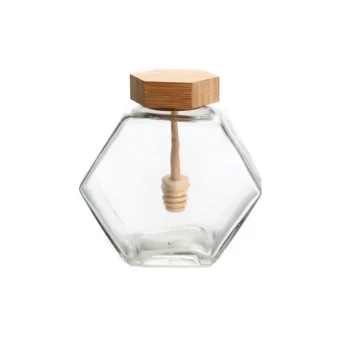
- Hexagonal Glass Honey Jar with Wooden Lid Integrated Dipper Elegant Functional Storage
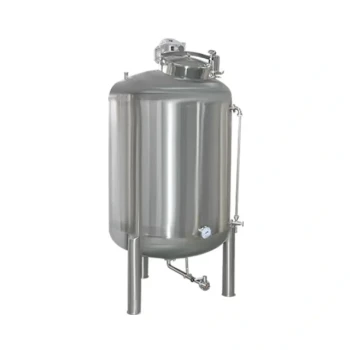
- Stainless Steel Honey Storage Tank with Lid for Honey
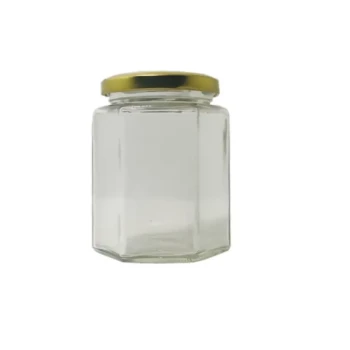
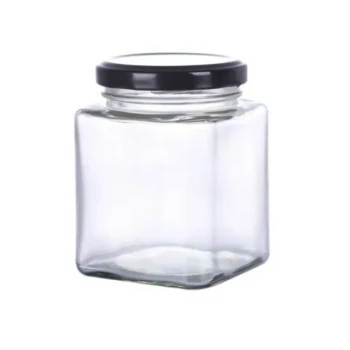
- Hexagonal Glass Honey Jars with Metal Lug Caps Elegant Versatile Packaging
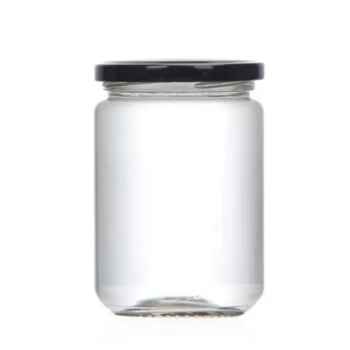
- Classic Drum Shaped Glass Honey Jar with Airtight Lid
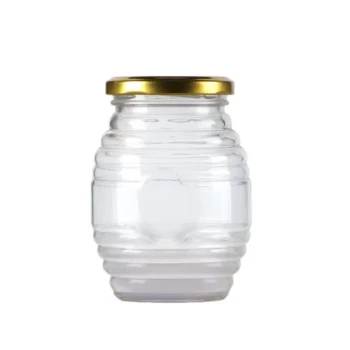
- Classic Glass Honey Jar with Metal Lug Cap for Beehive Storage
People Also Ask
- What are the benefits of glass jars regarding strength and safety for storing honey? Ensure Purity and Long-Term Quality
- What are the advantages of using glass jars for honey storage? Ensure Purity and Premium Appeal for Your Product
- What is the aesthetic appeal of using glass jars for honey? Elevate Your Brand with Premium Packaging
- What are the advantages of glass containers for honey? Elevate Quality and Market Value with Premium Packaging
- What are the benefits of using high-transparency Glass Jars for honey? Elevate Purity and Premium Branding