Maintaining clear hive entrances throughout winter is a non-negotiable aspect of apiary management. Primarily, you must clear snow and debris to ensure the colony has continuous ventilation and an unobstructed flight path for the bees to exit during brief periods of warmer weather.
A blocked entrance can be fatal to a wintering colony, turning the hive into a suffocating trap. Ensuring a clear threshold allows for vital airflow, permits necessary waste elimination flights, and prevents dead bees from sealing the colony inside.
The Critical Role of Airflow and Access
Maintaining Essential Ventilation
The primary reason for clearing snow from the entrance is to facilitate adequate ventilation. Even in dormancy, the colony requires fresh air exchange to survive.
Snow or ice completely sealing the entrance cuts off this airflow. Without ventilation, the internal environment can become stagnant, jeopardizing the colony's health.
Enabling Cleansing Flights
Bees do not defecate inside the hive during winter; they wait for "cleansing flights."
These flights occur during brief windows of warmer weather. If the entrance is blocked by snow when temperatures rise, bees cannot exit to relieve themselves, leading to stress and potential sanitation issues within the hive.
Removing Internal Blockages
External snow is not the only obstruction you must manage. Inside the hive, dead bees naturally accumulate at the bottom throughout the winter.
If you use an entrance reducer, these carcasses can pile up and block the exit from the inside. You must periodically check and clear this accumulation to ensure living bees can physically reach the exit when the weather permits.
Common Pitfalls and Protective Measures
Preventing Rodent Intrusion
While keeping the entrance open for bees is vital, an unguarded opening invites pests. Mice and other rodents seek warmth and will enter hives if given the opportunity.
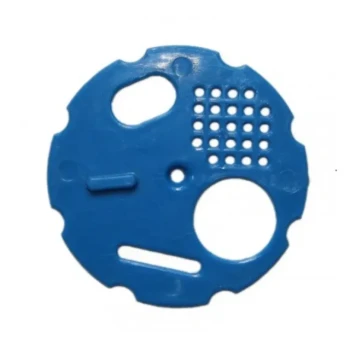
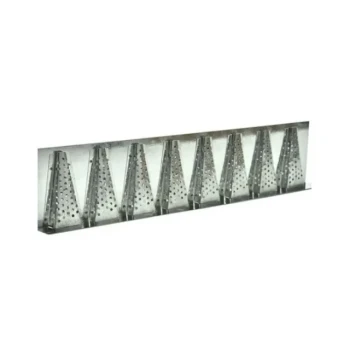
Once inside, rodents damage honeycomb structures, contaminate the hive, and disturb the dormant bee cluster. This disturbance causes stress and significantly increases bee mortality. You must install physical protective guards to block rodents while still allowing air and bees to pass.
Balancing Access with Tranquility
The goal is to maintain a clear path without disrupting the colony's dormancy.
Physical guards are essential for maintaining colony tranquility. They ensure that while the bees have the freedom to exit, the colony remains secure from intruders that would threaten their survival rates.
Ensuring Winter Survival
To maximize your colony's chances of surviving the winter, apply these specific maintenance protocols:
- If your primary focus is Air Quality: Regularly sweep snow away from the entrance to ensure continuous ventilation and prevent suffocation.
- If your primary focus is Colony Hygiene: Periodically use a tool to clear dead bees from behind the entrance reducer so the living colony is not trapped inside.
- If your primary focus is Pest Prevention: Install and maintain protective guards to stop rodents from destroying the comb and stressing the cluster.
Winter survival relies on a delicate balance of ventilation, access, and security.
Summary Table:
| Maintenance Focus | Key Action | Benefit to Colony |
|---|---|---|
| Air Quality | Sweep snow and ice from entrance | Prevents suffocation via continuous ventilation |
| Colony Hygiene | Clear dead bees from entrance reducer | Allows for essential winter cleansing flights |
| Pest Control | Install physical entrance guards | Prevents rodent intrusion and cluster disturbance |
| Internal Climate | Ensure unobstructed airflow | Regulates humidity and maintains dormancy stability |
Maximize Your Apiary’s Winter Survival with HONESTBEE
Protecting your colonies through harsh winters requires more than just knowledge—it demands the right tools. HONESTBEE supports commercial apiaries and distributors with a comprehensive range of professional-grade beekeeping equipment. From robust hive-making machinery and specialized hardware to protective entrance guards and essential consumables, we provide the wholesale solutions you need to scale your operations and ensure colony health.
Partner with an industry leader committed to your success. Contact HONESTBEE today to discuss our bulk equipment offerings and how we can add value to your distribution network or commercial beekeeping enterprise.
Related Products
- Beehive Entrance Discs Plastic Bee Entrance Disc for Bee Hives
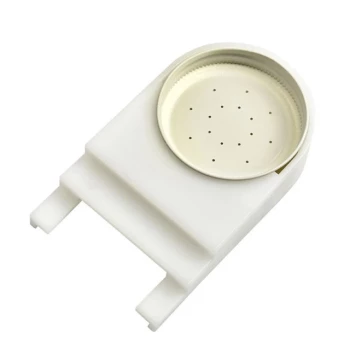
- Professional Reversible Beehive Hive Entrance
- Steel Round Disc Entrance Reducer for Flexzion Bee Hive Nuc Box Gate
- Multi-Functional Sliding Hive Entrance for Beekeeping
- Beehive Entrance Reducer Guardian Metal Hive Entrance for Bees
People Also Ask
- What is the best entrance for a bee hive? Maximize Colony Health & Honey Production
- What happens if you block the entrance to a bee hive? Avoid This Dangerous Mistake
- How does entrance configuration vary seasonally for beekeepers? A Guide to Year-Round Hive Health
- Why adjust beehive entrance size for humidity? Boost Honey Ripening and Varroa Control in Commercial Apiaries
- How big should a beehive entrance be? Optimize for Colony Health & Honey Production