Regular renewal of beehive combs is a fundamental maintenance task required to preserve colony hygiene and ensure the vitality of future bee generations. Over time, brood combs accumulate biological residues that physically alter the structure of the hive, leading to smaller, more fragile bees and compromised honey quality.
Replacing old combs prevents the buildup of cocoon residues that shrink cell size. By renewing the wax, you ensure that bees have adequate space to develop fully, maintaining a robust workforce and a hygienic environment for honey production.
The Mechanics of Comb Degradation
Accumulation of Cocoon Residues
The primary driver for comb renewal is the physical buildup of waste in brood combs.
With every cycle of brood rearing, cocoon residues from previous larvae remain inside the cells. This is not merely cosmetic; it is a cumulative physical obstruction that layers up over time.
The Visual Indicator: Black Wax
You can visually track this degradation by observing the color of the comb.
As residues accumulate, the wax transitions from a pale, fresh color to becoming almost completely black. This discoloration serves as a clear signal that the comb has reached the end of its viable lifecycle and requires replacement to maintain hive hygiene.
The Biological Impact on the Colony
Reduction in Cell Volume
The most critical consequence of residue accumulation is the reduction of available space within the comb.
As layers of old cocoons build up against the cell walls, the internal volume of the comb cells shrinks. The physical structure of the honeycomb effectively tightens, leaving less room for developing larvae.
Fragile Future Generations
Restricted cell size has a direct, negative impact on the physiology of the bees.
Larvae raised in restricted, residue-filled cells cannot grow to their full potential. This results in future generations of bees that are physically smaller and more fragile. To maintain a strong, resilient colony, the bees require the full volume of fresh comb cells for proper development.
The Risks of Inaction
Compromised Hygiene and Quality
Failing to replace combs creates a compounding hygiene issue.
Old combs act as a reservoir for waste, which threatens the overall health of the colony. furthermore, maintaining fresh wax is explicitly linked to preserving the quality of the honey produced by the hive.
The Cycle of Weakness
If you ignore the darkening of the wax, you invite a cycle of diminishing returns.
The colony does not just become "dirty"; it becomes biologically weaker. The presence of smaller, fragile bees reduces the workforce's efficiency and resilience, making the entire hive more susceptible to failure.
Making the Right Choice for Your Goal
Whether your focus is on maximizing production or ensuring the longevity of your livestock, comb renewal is non-negotiable.
- If your primary focus is Colony Health: Prioritize replacing black combs immediately to prevent cell shrinkage and ensure your bees grow to their full, natural size and strength.
- If your primary focus is Honey Quality: Establish a regular rotation schedule to remove old residues, ensuring the hive environment remains hygienic for pure honey production.
A proactive schedule of comb replacement is the simplest investment you can make to guarantee a robust, standard-sized workforce and a clean hive environment.
Summary Table:
| Factor | Old/Black Combs | Fresh/New Combs |
|---|---|---|
| Cell Volume | Reduced due to cocoon residue | Maximum space for development |
| Bee Health | Smaller, more fragile bees | Robust and full-sized bees |
| Hygiene | Accumulates waste and pathogens | Clean, sanitary environment |
| Honey Quality | High risk of contamination | Pure and high-grade quality |
| Visual Color | Dark brown to black | Light yellow to pale white |
Maximize Your Apiary's Productivity with HONESTBEE
Maintaining a healthy hive starts with the right equipment and a proactive replacement strategy. At HONESTBEE, we specialize in supporting commercial apiaries and distributors with a comprehensive range of professional beekeeping solutions.
Whether you need to upgrade your wax processing with our high-efficiency hive-making machinery, streamline production with honey-filling machines, or restock essential industry consumables, we provide the wholesale tools necessary to keep your colonies thriving.
Ready to scale your beekeeping operation? Contact us today to discover how our premium hardware and honey-themed merchandise can drive value for your business.
Related Products
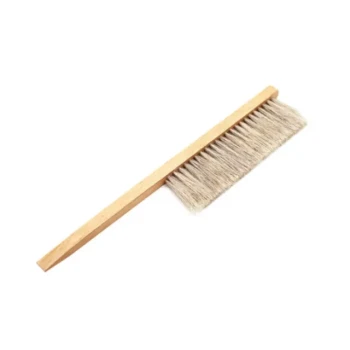
- Wooden Bee Brush with Double-Row Horsehair Bristles
- Professional Frame Comb Fork and Lifter for Efficient Handling
- Wholesales Dadant Size Wooden Bee Hives for Beekeeping
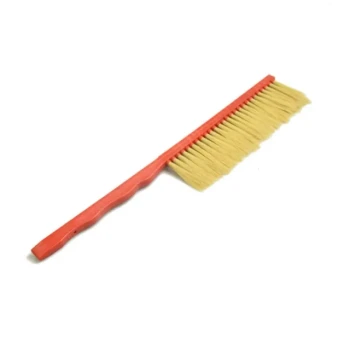
- Plastic Handle Single Row Artificial Fiber Bee Brush
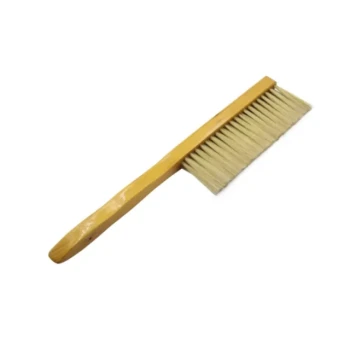
- Wooden Bee Brush with Triple Row Artificial Fiber for Beekeeping
People Also Ask
- Why is a bee brush necessary when extracting honeybee hive frames that contain larvae? Protect Your Brood and Colony
- What is the correct way to use a bee brush and what actions should be avoided? Master Gentle Hive Management
- What are the specific functions of the bee brush and the sealed sampling bottle? Optimize Your Parasite Sampling.
- What is a bee brush and what is it used for? Master Precision Bee Removal with Gentle Sweeping Techniques
- What is a bee brush used for in beekeeping? Essential Tool for Safe Hive Inspections & Honey Harvesting