Airtight plastic containers are strictly required during honey collection and pre-treatment primarily to counteract the substance's natural hygroscopic properties. By creating a sealed environment, these containers isolate the honey from atmospheric moisture, prevent the escape of volatile aromatic compounds, and block environmental contaminants, ensuring that subsequent laboratory analysis reflects the honey's true original state.
The Core Reality: The validity of any physicochemical analysis depends entirely on the sample remaining unchanged between the apiary and the lab. Because honey naturally absorbs water from the air, failing to use an airtight seal alters its chemical composition, often leading to inaccurate moisture readings and premature fermentation.
The Critical Role of Moisture Control
Managing Hygroscopy
Honey is a highly hygroscopic substance, meaning it actively absorbs moisture from the surrounding air. If left exposed, the water content within the sample will rise rapidly.
This artificial increase in moisture invalidates initial quality measurements. Airtight plastic containers provide a barrier that effectively isolates the sample from humidity, ensuring the water content measured in the lab matches the water content at the production site.
Preventing Spontaneous Fermentation
There is a direct link between moisture absorption and spoilage. When honey absorbs enough atmospheric moisture to dilute its sugar concentration, dormant yeasts can become active.
Once activated, these microbes trigger fermentation, which alters the honey's chemical composition. A sealed container prevents this chain reaction, preserving the sample's stability for accurate chemical profiling.
Protecting Sample Authenticity
Trapping Volatile Compounds
A significant portion of honey’s identity lies in its specific aroma, which is derived from volatile aromatic substances. These compounds are fleeting and can easily evaporate into the atmosphere if the container is not sealed.
Airtight vessels trap these gases inside. This ensures that sensory assessments and chemical analyses of the honey's bouquet remain accurate and representative of the specific botanical source, such as the woody aroma of chestnut honey.
Blocking External Contaminants
Accurate analysis requires a sample free from "noise." Open or poorly sealed containers invite dust, foreign microbes, and cross-contamination from other samples.
Plastic containers specifically designed for sampling shield the honey from these impurities. This isolation is crucial for precise microscopic identification, such as analyzing pollen composition to determine the honey's floral origin.
Common Pitfalls and Material Considerations
The Necessity of "Inert" Plastic
Not all plastics are suitable for this task. It is critical to use food-grade, chemically inert plastic containers.
Traditional vessels like animal skin bags or untreated clay pots are difficult to clean and may harbor bacteria or leach odors. High-quality inert plastic ensures the container itself does not alter the honey's chemical makeup or introduce foreign odors.
Sealing is Not a Substitute for Temperature Control
While airtight seals are vital, they are not a complete preservation solution on their own. They must be used in conjunction with proper thermal management.
A sealed container left in a hot environment can still degrade. To fully inhibit enzymatic reactions and microbial activity, airtight samples should ideally be stored in a cool environment (typically between 4–15 °C depending on the storage duration).
Making the Right Choice for Your Goal
To ensure your honey samples yield valid data, select your containment strategy based on your specific analytical needs:
- If your primary focus is Moisture and Fermentation Analysis: Prioritize the seal integrity above all else to prevent hygroscopic absorption and microbial activation.
- If your primary focus is Botanical Origin (Pollen/Aroma): Ensure the plastic is non-reactive and odorless to prevent the loss of volatile compounds or the introduction of "plastic" smells.
- If your primary focus is Export Compliance: Use sterile, industrial-grade food plastic to meet hygiene standards and eliminate the risk of cross-contamination.
Ultimately, the airtight plastic container acts as a suspended-animation chamber, locking the honey in its original state to guarantee data objectivity.
Summary Table:
| Feature | Protection Mechanism | Analytical Benefit |
|---|---|---|
| Hygroscopy Control | Blocks atmospheric humidity | Ensures accurate moisture readings |
| Aroma Preservation | Traps volatile organic compounds | Reliable botanical origin profiling |
| Microbial Barrier | Prevents yeast activation & dust | Avoids fermentation and contamination |
| Material Inertness | Food-grade, non-reactive plastic | Prevents chemical leaching or odors |
Maximize Your Apiary's Productivity with HONESTBEE
Preserving the quality of your honey starts with the right equipment. HONESTBEE specializes in supporting commercial apiaries and distributors with high-performance solutions designed for scale and precision. From specialized honey-filling and hive-making machinery to a full spectrum of beekeeping tools and industry consumables, we provide the hardware you need to maintain product integrity from the hive to the laboratory.
Whether you are looking for bulk wholesale supplies or advanced processing equipment, our portfolio is built to enhance your operational efficiency. Contact HONESTBEE today to discover how our comprehensive equipment range can add value to your honey production business.
References
- Oyeyemi Sunday Dele. Quality Assessment of Honey Sourced from Natural and Artificial Apiaries in Ekiti State, Nigeria.. DOI: 10.24925/turjaf.v5i10.1125-1129.991
This article is also based on technical information from HonestBee Knowledge Base .
Related Products
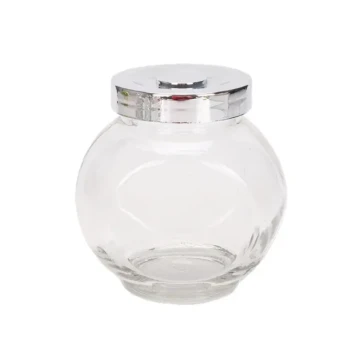
- Classic Drum Shaped Glass Honey Jar with Airtight Lid
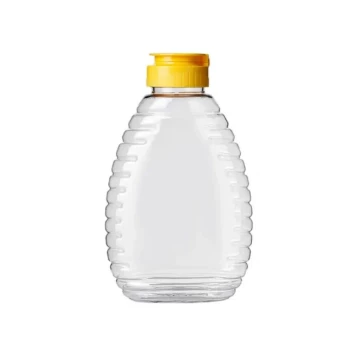
- Squeezable No-Drip Beehive-Shaped Honey Jars with Flip-Top Cap
- Professional Insulated Plastic Bee Hives
- Plastic Transporting Bee Packages and Nuc Boxes for Beekeeping
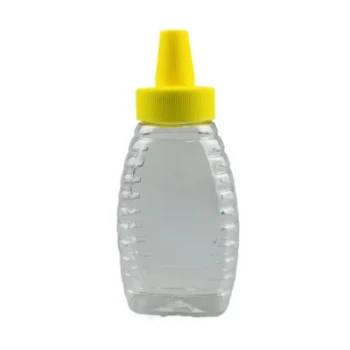
- Classic Beehive Honey Bottle Jar with Squeeze Dispenser Lid
People Also Ask
- What is the best utensil to store honey? Preserve Purity with the Right Container
- How does the appearance of glass jar packaging affect the sales and perception of honey? Boost Your Premium Brand Value
- Why is a glass jar preferred for packaging honey? Ultimate Protection for Purity & Flavor
- What is the aesthetic appeal of using glass jars for honey? Elevate Your Brand with Premium Packaging
- What are the advantages of glass containers for honey? Elevate Quality and Market Value with Premium Packaging