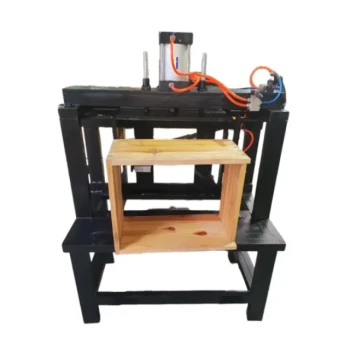
Start with new, standardized equipment because it gives a new apiary a clean, interchangeable, and predictable operating foundation. Standard-dimension hive bodies, supers, frames, and foundation fit across colonies, making it easier to balance colony strength, transfer brood or honey, and manage multiple hives consistently. New equipment also avoids the disease-contamination and hidden structural risks associated with secondhand or poorly made DIY gear.
The central benefit is control: standardized new equipment improves interchangeability and operating efficiency, while eliminating avoidable contamination and fit-related risks at the moment an apiary is established.
Why Standard Dimensions Matter
Components remain interchangeable
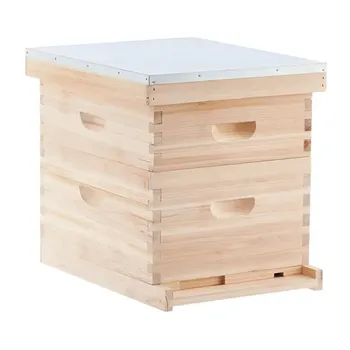
Standardized frames, supers, and hive bodies are designed to fit one another consistently. A frame from one colony can therefore be moved to another compatible hive when management requires it.
This modularity is particularly valuable when a beekeeper needs to strengthen a weak colony, equalize brood, replace damaged components, or reorganize equipment during seasonal management.
Colony management becomes more practical
Interchangeable equipment reduces the need to adapt every hive individually. Beekeepers can use consistent inspection, feeding, swarm-control, and harvesting procedures across the apiary.
That consistency reduces disruption to colonies and makes routine work easier to plan, train, and repeat.
Expansion is more predictable
A new apiary rarely remains the same size. Standard equipment allows additional colonies to be added without creating a separate system of incompatible boxes, frames, or tools.
For commercial operators and distributors, this also simplifies procurement, stock planning, maintenance, and replacement-part supply.
Why New Equipment Reduces Biological Risk
Used equipment can carry persistent pathogens
Secondhand hive components may contain residues or pathogens from colonies that previously occupied them. This includes organisms associated with serious diseases such as American Foulbrood, European Foulbrood, and Nosema.
American Foulbrood is especially concerning because its spores can remain viable and infectious on hive materials for many years. A contaminated box or frame can introduce disease before the new beekeeper has an opportunity to identify a problem.
Ordinary cleaning may not be sufficient
Washing, scrubbing, or sanding used equipment does not reliably eliminate deeply persistent disease spores. The visible condition of a hive is therefore not a dependable indicator of its biological safety.
If contamination is discovered after installation, the consequences can include colony loss, quarantine measures, destruction of equipment, and the need to rebuild the apiary.
New equipment creates a cleaner starting point
Brand-new hive bodies, frames, foundation, and related hardware remove the disease history associated with previous colonies. When supplied under appropriate manufacturing and quality-control procedures, they provide a stronger first line of defense for a newly established apiary.
This does not replace good bee-health practices. It does, however, eliminate one major and avoidable source of risk.
Why DIY Equipment Can Create Operational Problems
Small dimensional errors have large effects
DIY hive equipment may appear functional while still having inconsistent internal dimensions, frame spacing, wall thickness, or entrance geometry. Even minor deviations can cause frames to bind, leave excessive gaps, or create unwanted comb attachment.
These problems make inspections slower and can damage comb during routine handling.
Nonstandard parts limit future flexibility
A homemade hive may not accept commercially available frames, supers, foundation, or replacement components. Once a beekeeper invests in that system, future expansion may require producing every compatible part independently.
This can be reasonable for an experienced hobbyist with a deliberate alternative-hive strategy, but it is usually inefficient for a new apiary or a growing commercial operation.
Manufacturing consistency matters
Professionally manufactured equipment is produced to repeatable specifications. Consistent materials, joints, surfaces, and finishes help ensure that components remain usable across colonies and replacement orders.
For resellers and apiary operators, consistent manufacturing also supports predictable customer service, fewer fit-related complaints, and more efficient fulfillment.
The Business Case for Standardized Equipment
Standardization supports efficient workflows
Commercial apiaries depend on repeatable procedures. When hive hardware follows a common format, staff can inspect, repair, move, and harvest from colonies using the same operating methods.
This reduces training complexity and helps lower maintenance time and operating costs.
It supports scalable supply chains
Distributors and wholesalers can stock a defined range of compatible products rather than many one-off alternatives. Beekeepers can then source replacement frames, boxes, foundation, tools, and protective equipment through a more reliable supply channel.
A broad, coordinated product portfolio is most valuable when paired with accurate technical guidance, responsive service, and dependable order fulfillment.
It enables more consistent production
Standardized hive hardware supports organized brood management, nucleus production, honey harvesting, and migratory operations. Standardized extraction and processing equipment can also help maintain consistent handling and product quality.
The result is not simply easier purchasing; it is a more predictable operating system for the apiary.
Understanding the Trade-offs
New equipment requires more initial investment
New manufactured equipment generally costs more upfront than acquiring used boxes or building components from inexpensive materials. That lower initial price, however, may be offset by repairs, incompatibility, disease treatment, or replacement costs.
The relevant comparison is therefore total operating risk and lifetime cost, not purchase price alone.
“Standardized” must mean genuinely compatible
Not every product described as standard will fit every hive system. Buyers should confirm the hive format, frame dimensions, wood or material specifications, and compatibility between boxes, frames, foundation, and accessories.
A coordinated supplier with clear specifications can reduce the risk of assembling an incompatible equipment package.
Alternative hive designs have legitimate uses
Top-bar, Warré, and other nonstandard hive systems are not inherently defective. They simply require different management methods and limit compatibility with standard commercial equipment.
They may suit experienced beekeepers with specific objectives, but standardized equipment is usually the more practical starting point for learning, scaling, and sourcing replacement parts.
How to Apply This to Your Apiary
Select equipment as an integrated system rather than as unrelated individual items.
- If your primary focus is colony health: Start with new, hygienic hive bodies, frames, foundation, and tools from a quality-controlled source to reduce the risk of importing persistent disease.
- If your primary focus is efficient management: Choose one standard hive format so frames, supers, and boxes remain interchangeable across colonies.
- If your primary focus is commercial growth: Build around standardized hardware and processing equipment that supports repeatable procedures, workforce training, inventory control, and predictable expansion.
- If your primary focus is supply reliability: Work with a supplier offering a complete compatible portfolio, rapid technical response, and dependable delivery of replacement components.
- If your primary focus is experimentation: Gain experience with standard equipment first, then adopt alternative or DIY designs only when their management requirements and sourcing limitations are understood.
Starting with clean, standardized equipment gives a new apiary the strongest foundation for healthy colonies, efficient management, and controlled growth.
Summary Table:
| Equipment Type | Disease Risk | Interchangeability | Operational Efficiency | Total Cost |
|---|---|---|---|---|
| New Standardized | Low | High | High | Higher upfront, lower long-term |
| Secondhand | High | Variable | Medium | Low upfront, potential high hidden costs |
| DIY | Medium (if new materials) | Low | Lower | Low upfront, but labor and time, potential inefficiency |
Key Comparison: New standardized equipment minimizes biological risks and maximizes compatibility, leading to more efficient management and predictable expansion.
Start Your Apiary Right with Standardized Equipment
Choosing the right equipment is critical for a thriving apiary. At HONESTBEE, we specialize in providing a complete range of new, standardized beekeeping tools, machinery, and equipment to ensure your success. Our comprehensive wholesale portfolio covers every need—from hive-making and honey-filling machines to essential consumables and honey-themed merchandise.
Why partner with HONESTBEE?
- One-Stop Sourcing: Access a full-spectrum product line, eliminating the hassle of multiple suppliers.
- Premium Trading Services: Enjoy responsive customer support, quick deliveries, and efficient order fulfillment.
- Professional Expertise: Get reliable technical guidance to select precisely what your apiary needs.
- Scalable Solutions: Ideal for commercial apiaries and distributors looking to grow efficiently.
Ready to build a clean, standardized apiary? Contact us today to discuss your requirements and get a tailored quote.
Related Products
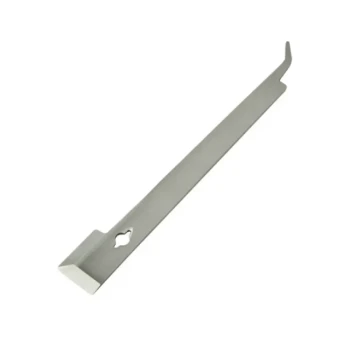
- Stainless Steel J Hook Hive Tool for Beekeeping
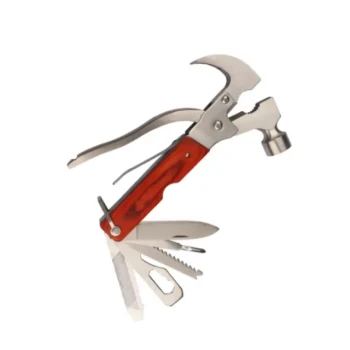
- HONESTBEE 15-in-1 Beekeeper Multi-Tool with Hammer and Pliers for Beekeeping
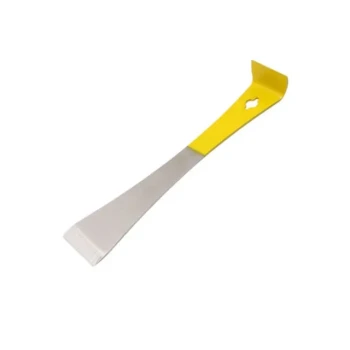
- HONESTBEE Classic Pry Bar Hive Tool with High Visibility Finish for Beekeeping
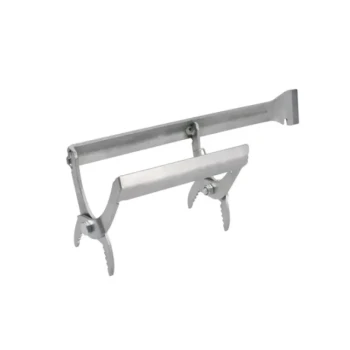
- Multi-Function Plier-Style Frame Grip Hive Tool
- Stainless Steel Queen Grafting Tool for Beekeeping and Bee Queen Grafting
People Also Ask
- What specific challenges do beekeeping hive tools address during hive maintenance? Essential Solutions for Apiaries
- What is a J-hook hive tool and why is it favored by some beekeepers? Master Gentle Frame Handling
- What are the features of a J-hook hive tool? Effortlessly Lift Frames with Superior Leverage
- What is the purpose of the J-hook hive tool? Effortlessly Lift Frames with Superior Leverage
- How is a J-hook hive tool designed and what is its primary use? Master Effortless Hive Inspections