Proper packaging is the critical defense system that dictates whether honey maintains its value or degrades into an unusable product. It serves two simultaneous functions: strictly preserving the chemical integrity of the honey against environmental threats and acting as the primary vehicle for brand identity and consumer trust.
Effective honey packaging is not merely a container; it is an active barrier against fermentation and the primary tool for converting a raw agricultural commodity into a verifiable, high-value consumer product.
Preserving Biological Integrity
Preventing Fermentation
Honey is naturally hygroscopic, meaning it absorbs moisture from the surrounding air. If the packaging lacks a hermetic seal, the water content in the honey will rise. This excess moisture triggers fermentation, spoiling the product and rendering it unfit for sale.
Blocking Environmental Contaminants
A proper seal does more than stop moisture; it creates a barrier against external odors and microbes. Honey can easily absorb strong smells from the storage environment, which alters its distinct flavor profile. High-quality packaging ensures the taste remains exactly as intended at the moment of extraction.
Protecting Enzyme Activity
Honey contains delicate enzymes that contribute to its nutritional value and flavor. Exposure to excessive heat or uncontrolled atmospheric conditions can destroy these enzymes. Packaging designed with light-blocking properties or UV filters helps maintain this biological activity, keeping the honey "alive" and potent.
The Role of Branding and Marketability
Transforming Raw Material into Product
Packaging bridges the gap between bulk extraction and the retail shelf. It allows producers to attach origin data and sensory descriptions, transforming generic honey into a specific, recognizable brand. This differentiation is essential for commanding premium prices in a crowded market.
Ensuring Traceability and Trust
For the consumer, the package is the source of truth. Labeling systems integrated into the packaging design provide traceability and anti-counterfeiting measures. This transparency builds the consumer confidence necessary for entering standardized commercial channels and export markets.
Understanding the Trade-offs: Glass vs. Plastic
The Case for Glass
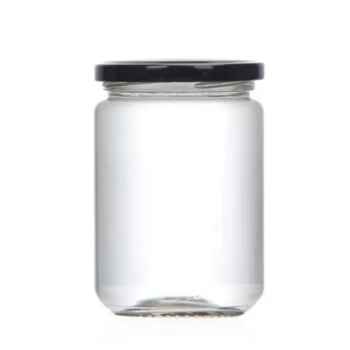
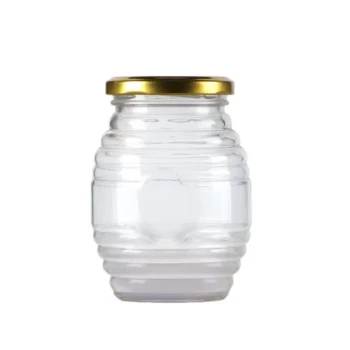
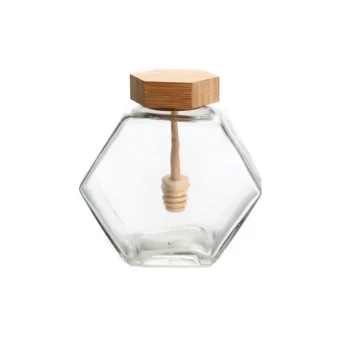
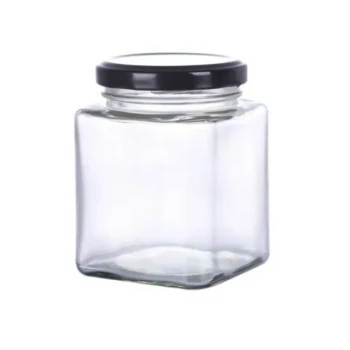
High-quality glass containers offer superior sealing properties and high light transmittance, allowing the natural color of the honey to drive sales. Glass is often perceived as a premium material, making it ideal for high-margin, artisanal products where aesthetics are paramount.
The Case for Plastic
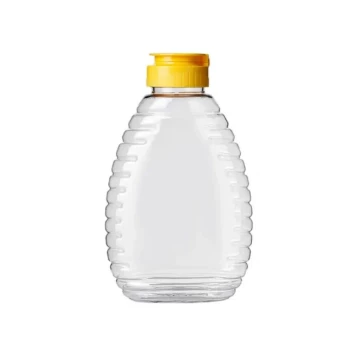
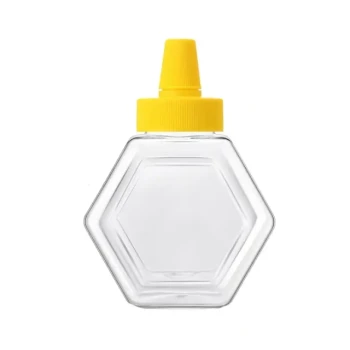
Food-grade plastic containers are lightweight and durable, significantly reducing shipping costs and breakage risks. While efficient for distribution, producers must ensure the plastic is strictly food-grade to prevent chemical leaching or odor absorption that could compromise quality.
Sustainability Considerations
Both materials offer environmental benefits if chosen correctly. Glass is infinitely recyclable, while modern plastics can incorporate post-consumer recycled resin (PCR). Selecting the right material involves balancing your logistical needs with your sustainability goals.
Making the Right Choice for Your Goal
To select the optimal packaging strategy, align your choice with your primary business objective:
- If your primary focus is Product Longevity: Prioritize containers with hermetic, screw-on seals to strictly prohibit moisture ingress and prevent fermentation.
- If your primary focus is Premium Branding: Utilize high-clarity glass containers to showcase the honey's natural color and signal high value to the consumer.
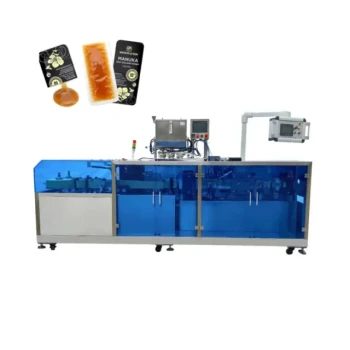
- If your primary focus is Scalability and Logistics: Opt for lightweight, food-grade plastic or pouches to minimize transport weight and reduce breakage during distribution.
Your packaging is the silent guardian of your product's quality and the loudest advocate for your brand's reputation.
Summary Table:
| Feature | Protection Benefit | Market Advantage |
|---|---|---|
| Hermetic Seal | Prevents moisture absorption & fermentation | Ensures long shelf life & food safety |
| UV/Light Blocking | Preserves delicate enzymes & nutrients | Maintains premium nutritional profile |
| Material Selection | Blocks odors & chemical leaching | Enhances product aesthetics & perceived value |
| Traceability Labeling | Provides origin & batch verification | Builds consumer trust & brand loyalty |
Elevate Your Honey Brand with HONESTBEE Packaging Solutions
At HONESTBEE, we understand that your honey is the result of tireless labor. As a dedicated partner to commercial apiaries and global distributors, we provide more than just containers—we offer the complete infrastructure for your success.
Our extensive portfolio includes:
- Professional Packaging: From premium glass jars to durable food-grade plastic containers.
- Advanced Machinery: High-efficiency honey-filling and hive-making machines to scale your production.
- Full-Spectrum Equipment: A comprehensive range of beekeeping tools and essential industry consumables.
- Merchandising: Unique honey-themed cultural products to diversify your retail offering.
Don't let poor packaging compromise your harvest. Let HONESTBEE help you transform raw honey into a high-value, market-ready brand.
Contact Our Wholesale Experts Today to discuss your equipment and packaging needs.
Related Products
- Automatic Single-Dose Snap & Squeeze Honey Sachets Packing Machine
- Fully Automatic Honey Filling Packaging Machine for Processing Line
- Hexagonal Glass Honey Jars with Metal Lug Caps Elegant Versatile Packaging
- Double Nozzle Small Honey Filling Machine Honey Sachet Packing Packaging Equipment
- Economy Small Honey Filling Machine Honey Bottle Filler Packaging Machine
People Also Ask
- What are the advantages of honey sachet packing machines? Boost Efficiency & Unlock New Markets
- What are the main functions of a honey sachet packing machine? Boost Efficiency with Automated Precision
- How does an industrial-grade honey sachet packaging machine assist beekeepers in accessing public institution markets?
- Why is automated packaging machinery essential for scaling industrial honey production? Drive Commercial Scalability
- How does the viscosity of honey influence packaging choices? Selecting the Best Containers & Machinery