Queen pheromone acceptance is the foundation of successful re-queening. Worker bees recognize and respond to a queen through her chemical signals, including queen mandibular pheromone, which help maintain colony cohesion and regulate worker behavior. A newly introduced queen has an unfamiliar scent profile, so releasing her immediately can trigger aggression, injury, or rejection. Specialized cages and handling tools reduce that risk by controlling contact while the colony gradually acclimates to her pheromones.
Successful re-queening depends on managing both biology and handling. The host colony must be genuinely queenless and suitable in size, while introduction cages protect the new queen and allow her pheromones to spread gradually before release.
Why Pheromone Acceptance Matters During Re-queening
Pheromones establish queen identity
Worker bees do not identify a queen through appearance alone. They detect her chemical profile through direct contact and the circulation of pheromones among colony members.
These signals help communicate that the colony has an active queen. They also contribute to worker coordination, brood-rearing behavior, and suppression of worker ovary development.
An unfamiliar queen can trigger rejection
A replacement queen carries a scent profile that differs from the host colony’s previous queen. Until workers become familiar with it, they may surround, bite, restrict, or otherwise attack the newcomer.
This risk is especially important when introducing valuable, high-quality queens. A queen with strong genetic and reproductive potential has little commercial value if poor introduction practices result in her loss.
Acceptance supports a stable colony transition
Once workers accept the queen’s pheromones, they are more likely to feed, groom, and protect her. This allows her to begin or resume egg laying and gives the colony a stable foundation for population growth.
Queens that have mated multiple times may produce distinctive pheromone profiles associated with strong worker attention and acceptance. However, mating history alone does not guarantee success; colony condition and introduction technique remain decisive.
Conditions That Improve Queen Acceptance
Confirm that the host colony is queenless
The host colony should be thoroughly inspected before introducing a replacement queen. An overlooked old queen, virgin queen, or emergency queen cell can compete with or attack the new queen.
Queenlessness is therefore not a minor preparation step. It is a basic condition for reducing competing queen signals and improving the likelihood that workers will accept the replacement.
Match the queen to an appropriate colony size
Small colonies and nucleus colonies generally accept new queens more readily than large, established colonies. Their worker population is easier to control, and there are fewer mature workers with strong loyalty to the previous queen.
For commercial operations, introducing a queen into a well-prepared nuc can be a practical risk-management step before merging that nuc into a full-sized production colony.
Place the cage where workers can interact safely
Positioning the introduction cage near emerging brood can be beneficial. Newly hatched nurse bees are often more receptive and can begin feeding and caring for the queen while she remains protected.
This creates a controlled transition rather than exposing the queen to the entire adult population at once.
How Specialized Queen Handling Tools Facilitate Introduction
Introduction cages create a controlled acclimation period
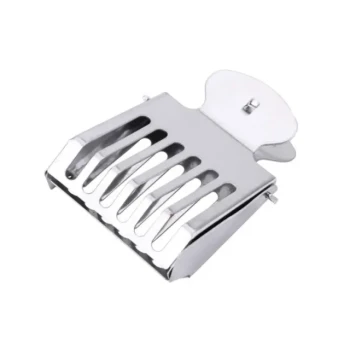
A queen introduction cage provides a physical barrier between the queen and potentially aggressive workers. Its openings allow worker bees to detect and respond to her pheromones without immediate physical access.
Many standard cages use a candy or fondant plug. Workers gradually consume the plug over several days, allowing the queen’s scent to become familiar before she is released.
The exact release period depends on colony temperament, cage design, weather, and operating practice. The cage should be monitored rather than treated as a completely passive device.
Push-in cages support difficult introductions
A push-in cage can be pressed into a comb area containing emerging brood, food, and open cells. The queen remains enclosed with young workers while having access to food and a suitable surface for beginning egg laying.
This design is useful for resistant or aggressive colonies because it limits contact with older workers. After the queen has established herself and begun laying, release can be safer than immediate introduction.
Queen-catching tools reduce handling damage
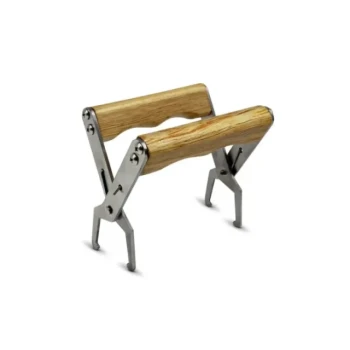
Queen-catching hardware helps operators move a queen without squeezing, dropping, or excessively disturbing her. Gentle, controlled handling is essential because physical damage or prolonged stress can compromise the introduction even when the colony is otherwise prepared.
A reliable tool also reduces the time the hive remains open, helping maintain consistent field procedures across many colonies.
Marking tools improve identification and follow-up
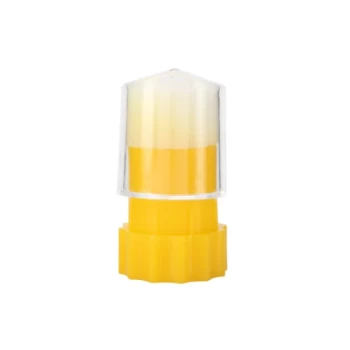
Queen-marking tools make it easier to confirm that the intended queen is present and to distinguish her from workers or a surviving resident queen. This is particularly valuable in commercial apiaries managing multiple batches or replacement cycles.
Marking does not itself create pheromone acceptance. Its value is operational: it improves inspection accuracy, traceability, and the speed of corrective action if acceptance fails.
A Practical Introduction Sequence
Prepare the colony before opening the cage
Remove the old queen or other competing queen sources, inspect for queen cells, and confirm that the colony is suitable for re-queening. Avoid introducing a replacement into a colony whose queen status is uncertain.
The colony should also have adequate food, brood, and worker coverage. A weak or distressed colony may not provide the care needed for the new queen.
Place the queen in a protective cage
Secure the queen in an appropriate introduction cage and position it where workers can contact the cage surface. In many procedures, placing it over emerging brood provides access to receptive nurse bees.
The cage should be installed carefully so the queen is not trapped against comb or exposed to excessive heat, moisture, or crushing forces.
Allow gradual release
With a candy-plug cage, workers remove the barrier progressively while becoming familiar with the queen’s pheromones. With a push-in cage, the operator may wait until the queen is being cared for and has started laying before removing the enclosure.
Follow-up inspections should verify that the queen is alive, attended, and laying normally. Avoid unnecessary disturbance during the acclimation period.
Understanding the Trade-offs
Slower release improves safety but delays full integration
A protective cage reduces immediate aggression, but it also delays unrestricted queen movement. This is usually an acceptable trade-off because losing a queen through premature release is more costly than allowing additional acclimation time.
Release timing should reflect colony behavior rather than a rigid schedule. Aggressive colonies may require a more conservative approach than calm nucs.
Standard cages are convenient but not universal
Candy-plug cages are efficient for routine introductions and large-scale operations. However, they may be less suitable when the colony is highly defensive, queen acceptance is uncertain, or rapid release creates unnecessary risk.
Push-in cages offer greater control but require suitable comb, careful placement, and more labor during installation and inspection.
Equipment cannot compensate for poor colony preparation
Even premium cages and handling tools cannot reliably overcome an existing queen, hidden queen cells, severe colony imbalance, starvation, or unsuitable weather conditions. Product quality supports good technique; it does not replace it.
Distributors and resellers should therefore treat cages, marking tools, and catching devices as part of an integrated queen-management system rather than isolated accessories.
Inventory consistency matters in commercial operations
Re-queening often occurs across many colonies within a short biological window. Inconsistent cage dimensions, unavailable replacement parts, or delayed delivery can disrupt the introduction schedule.
For commercial buyers, dependable supply, rapid response, and a full range of compatible queen-management products can be as important as the individual tool specification.
Making the Right Choice for Your Goal
Choose equipment and procedures according to colony temperament, scale, and the value of the queen being introduced.
- If your primary focus is routine re-queening: Use a standard queen introduction cage with a controlled candy or fondant release, provided the colony is confirmed queenless and appropriately prepared.
- If your primary focus is aggressive or resistant colonies: Use a push-in cage over emerging brood to protect the queen while young workers begin attending her.
- If your primary focus is commercial scale: Source compatible cages, queen-catching tools, marking equipment, and replacement supplies from a dependable one-stop supplier to reduce operational delays.
- If your primary focus is traceability and quality control: Use marking tools and standardized inspection procedures to verify queen identity, acceptance, and subsequent egg laying.
- If your primary focus is minimizing queen losses: Prioritize complete queenlessness, suitable nuc or colony size, gentle handling, and gradual pheromone acclimation over immediate release.
Effective re-queening is not simply the act of placing a queen in a hive; it is the controlled management of recognition, protection, and colony transition.
Summary Table:
| Factor | Impact on Acceptance | Mitigation Strategy |
|---|---|---|
| Pheromone profile | Unfamiliar scent triggers aggression | Use introduction cages for gradual acclimation |
| Queenlessness | Competing queens cause rejection | Confirm queenlessness before introduction |
| Colony size | Large colonies are harder to manage | Introduce into nucs first |
| Worker temperament | Aggressive colonies may attack | Use push-in cages with nurse bees |
| Physical handling | Stress/damage reduces viability | Use queen-catching tools for gentle handling |
Equip your operation with professional queen handling tools from HONESTBEE. Our comprehensive range of introduction cages, push-in cages, queen catchers, and marking kits ensures smooth re-queening and minimal queen loss. As a one-stop supplier for commercial apiaries and distributors, we offer rapid delivery, OEM/ODM support, and reliable supply to keep your schedule on track. Contact us today to discuss your bulk requirements and discover how we can boost your efficiency and profitability.
Related Products
- Plastic Chinese Queen Grafting Tool for Bee Queen Rearing
- Stainless Steel Queen Grafting Tool for Beekeeping and Bee Queen Grafting
- Retractable Chinese Queen Rearing Grafting Tools Equipment
- Plastic Beekeeping Honey Bee Larvae Grafting Tools for Queen Rearing and Chinese Grafting
- Double Head Beekeeping Grafting Tools for Beekeepers
People Also Ask
- Why is it necessary for migratory beekeeping enterprises to utilize professional queen bee rearing tools? Boost Resilience
- What specialized tools and frame configurations are needed for larval grafting during queen rearing, and how are queen cells properly spaced? Master the essentials for efficient queen production
- What are the benefits of using a queen grafting tool for queen rearing? Master Precision for Superior Bee Genetics
- What is grafting in queen rearing? Take Control of Your Apiary's Genetics
- What are the steps involved in using a queen grafting tool? A Guide to Successful Queen Rearing