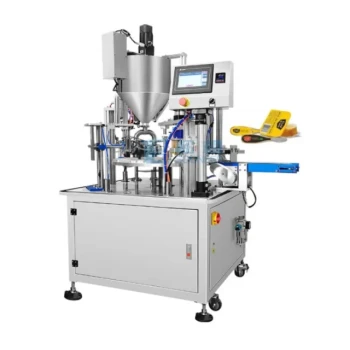
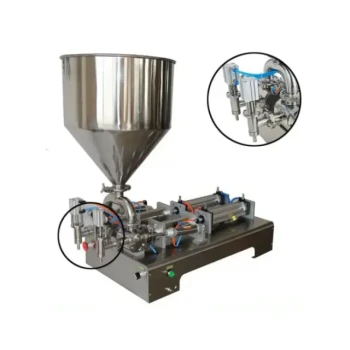
Specialized honey filling and packaging equipment is essential because it enables full-process automation, transitioning beekeeping operations from manual, labor-intensive tasks to integrated industrial workflows. This infrastructure, covering filtration, storage, and encapsulation, drastically reduces labor costs while ensuring the standardization required to compete in modern markets.
Core Takeaway To remain competitive, cooperatives must shift from selling low-margin bulk raw materials to high-value branded products. Specialized automation is the catalyst for this transformation, providing the economies of scale, consistent quality control, and professional market image necessary to access major retail and export channels.
The Operational Impact of Automation
Streamlining the Production Flow
Specialized equipment integrates the entire honey processing chain into a cohesive system. This includes filtration, storage, and final encapsulation within a single workflow. By connecting these stages, cooperatives eliminate the inefficiencies and inconsistencies inherent in manual handling.
Achieving Economies of Scale
For a cooperative to grow, it must handle increased volume without a linear increase in costs. Automation is a core requirement for serving a larger membership base effectively. It allows the facility to process aggregated yields from many farmers quickly, preventing bottlenecks that occur with manual bottling.
Drastic Reduction in Labor Costs
Manual filling and packaging are time-consuming and prone to error. Industrial-grade machinery transforms these labor-intensive tasks into high-efficiency processes. This shift lowers the cost per unit, allowing the cooperative to allocate resources toward marketing or member support rather than basic operations.
Elevating Market Position and Value
Standardizing Market Image
In competitive markets, presentation is as critical as product quality. Specialized machinery ensures standardized packaging processes, resulting in a uniform, professional look on the shelf. This consistency is vital for building a brand image that consumers trust, distinguishing cooperative products from amateur or inconsistent local sellers.
Transitioning to High-Value Commodities
Without advanced equipment, cooperatives are often forced to sell honey in bulk at lower prices. Specialized processing lines enable the creation of high-value-added terminal products. By performing unified filtration, concentration, and bottling, cooperatives can bypass middlemen and sell directly to retail or export markets.
Ensuring Hygiene and Compliance
Modern commercial standards, especially for export, demand rigorous food safety protocols. Automated systems provide a standardized environment for sterilization and impurity removal. This ensures products meet international food safety standards, which is often a prerequisite for entering large-scale distribution channels.
The Cooperative Advantage
Accessibility for Small Producers
Individual small-scale farmers rarely have the capital to invest in industrial-grade technology. The cooperative serves as an organizational platform, leveraging collective purchasing power to acquire this equipment. This allows members to access processing capabilities that would otherwise be unaffordable, leveling the playing field against larger corporate producers.
Strengthening Bargaining Power
By converting fragmented individual yields into bulk commodities of consistent quality, cooperatives gain leverage. Unified processing strengthens the cooperative's bargaining power when negotiating with large-scale distributors. Retailers prefer suppliers who can guarantee volume and consistent adherence to quality specifications.
Understanding the Trade-offs
The Requirement for Technical Competence
Acquiring the hardware is only the first step; successful implementation requires distinct expertise. Cooperatives must provide technical guidance to ensure correct equipment operation and process implementation. Without skilled operators and maintenance protocols, high-tech lines can become liabilities rather than assets.
Capital Allocation vs. Member Returns
While shared access lowers the barrier to entry, the initial investment is still significant. Cooperatives must balance the cost of modern equipment with the immediate financial needs of their members. The return on investment relies heavily on the cooperative's ability to actually secure the larger market contracts that this equipment makes possible.
Making the Right Choice for Your Goal
- If your primary focus is entering international markets: Prioritize equipment that offers advanced filtration, sterilization, and hygiene compliance to meet strict export standards.
- If your primary focus is maximizing member profitability: Focus on high-speed automation that reduces labor overhead and increases the volume of honey processed per hour.
- If your primary focus is brand building: Invest in precision filling and versatile packaging machinery that enhances the visual appeal and consistency of the final product.
Specialized equipment is not just a tool for efficiency; it is the strategic asset that transforms a loose collection of beekeepers into a unified, commercial powerhouse.
Summary Table:
| Key Advantage | Impact on Cooperative | Strategic Outcome |
|---|---|---|
| Full Automation | Eliminates manual bottlenecks | Higher throughput & economies of scale |
| Standardization | Professional brand image | Increased trust & retail market access |
| Labor Efficiency | Significant cost reduction | Lower price per unit & higher margins |
| Quality Control | Strict hygiene & compliance | Ready for international export standards |
| Collective Power | Shared high-tech access | Small producers compete with corporations |
Elevate Your Honey Production with HONESTBEE
At HONESTBEE, we specialize in empowering commercial apiaries and distributors with the industrial-grade tools needed to dominate the market. From advanced honey-filling and packaging machines to high-efficiency hive-making hardware, our comprehensive wholesale portfolio is designed to transform your raw yields into high-value branded commodities.
Our value to your business:
- Full Spectrum Supply: Beekeeping machinery, specialized tools, and essential industry consumables.
- Scalable Solutions: Equipment tailored for growing cooperatives and large-scale distributors.
- Market Growth: We provide the infrastructure to help you meet international standards and maximize profitability.
Ready to scale your beekeeping operations and increase your bargaining power? Contact HONESTBEE today for a custom quote!
References
- Vedat Ceyhan, Hatice Türkten. ECONOMIC STRUCTURE AND SERVICES EFFICIENCY OF TURKISH BEEKEEPERS’ ASSOCIATION. DOI: 10.14207/ejsd.2017.v6n4p53
This article is also based on technical information from HonestBee Knowledge Base .
Related Products
- Double Nozzle Small Honey Filling Machine Honey Sachet Packing Packaging Equipment
- Small Honey Filling Machine Sachet Packing Equipment Single Nozzle
- Fully Automatic Honey Filling Packaging Machine for Processing Line
- Economy Small Honey Filling Machine Honey Bottle Filler Packaging Machine
- Precision Automated Packaging Turntable Honey Spoon Filling Sealing Packing Machine
People Also Ask
- How does industrial honey-filling machinery support Robinia pseudoacacia stands? Maximize Your Acacia Honey Yield
- What value do retail packaging equipment and filling technologies provide in the honey distribution process? Maximize ROI
- Why is high-precision honey filling equipment necessary? Secure the medicinal value and ROI of stingless bee honey.
- What role does precision filling equipment play in cost control? Maximize Honey Profits & Market Growth
- How does specialized honey filling equipment contribute to honey distribution? Scale Your Wholesale Efficiency Today