Specialized hardware is the specific mechanism that transforms beekeeping from a hazardous subsistence activity into a scalable, safe, and economically viable industry. The availability of protective suits, hive tools, and extractors is essential because it directly dictates the safety of the operator and the quality of the final product. Without these industrial-grade tools, operations are restricted to inefficient traditional methods that severely limit production capacity and market competitiveness.
Modern beekeeping cannot function at scale using traditional methods. Specialized hardware provides the necessary infrastructure to ensure operator safety, standardize maintenance procedures, and protect the colony's health, thereby securing the economic efficiency of the enterprise.
Ensuring Operator Safety and Precision
The most immediate function of specialized hardware is the creation of a secure working environment.
Mitigating Physical Risk
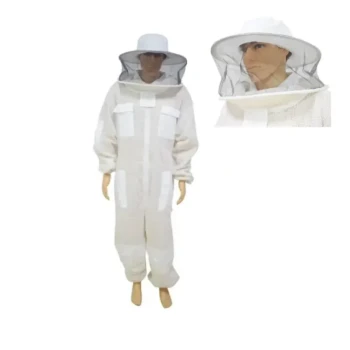
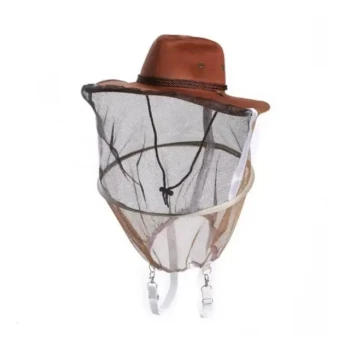
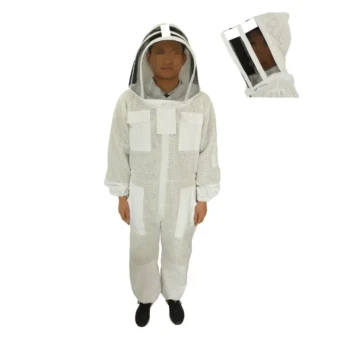
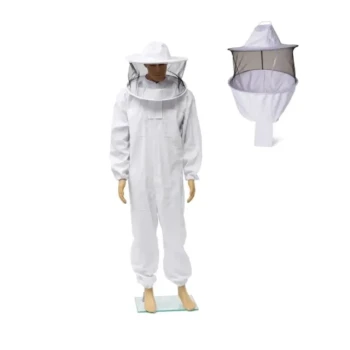
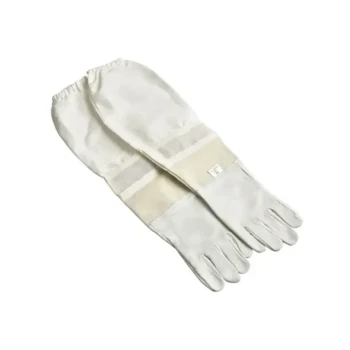
Modern protective gear, such as specialized beekeeping suits, veils, and gloves, acts as a critical barrier between the operator and the colony. This equipment mitigates the risk of stings, allowing beekeepers to focus on complex tasks without the distraction of physical harm.
Controlled Colony Interaction
Tools like the bee smoker and hive tool are essential for managing defensive bee behavior. The smoker produces cool smoke to sedate the bees, while the hive tool allows for the precise prying of components bound by propolis. This coordinated use of tools minimizes disturbance to the colony while ensuring the safety of the human operator.
Operational Efficiency and Standardization
Beyond safety, specialized hardware is the driver of economic efficiency in commercial apiaries.
The Value of Uniform Design
Standardization of hardware is a prerequisite for large-scale operations. When hives and tools share consistent specifications, beekeepers can implement uniform operational procedures across thousands of colonies. This reduces maintenance complexity and lowers overall operating costs.
Non-Destructive Management
Specialized movable frame hives allow for the inspection and harvest of honey without destroying the hive structure. Unlike traditional methods, this design permits routine maintenance, colony splitting, and disease control without causing unnecessary trauma to the bee population.
Facilitating Large-Scale Logistics
The uniform specifications of modern hives enable mechanical operations and large-scale transportation. This hardware foundation is critical for commercial agricultural pollination services, allowing hives to be moved efficiently between crop fields.
Colony Health and Biosecurity
The long-term viability of a beekeeping operation depends on the health of the livestock, which is directly supported by specialized tools.
Disease Prevention and Monitoring
Specialized disease monitoring tools and protective consumables create a biosecurity barrier against pathogens. Given the historical financial risks associated with colony collapse, the use of modern prevention agents is essential for maintaining continuous production capacity.
Environmental Control
Specialized beehives provide a controlled breeding environment that protects the colony from predators and adverse weather. This structural protection ensures the colony remains strong enough to produce harvestable raw materials like honey and pollen.
Understanding the Trade-offs
While specialized hardware is essential, it introduces specific dependencies that operators must manage.
Capital Intensity vs. Efficiency
Adopting industrial-grade hardware requires significant upfront capital investment compared to traditional methods. Small-scale operators must balance the cost of specialized equipment against their projected yield to ensure ROI.
Standardization Rigidity
The reliance on standardized equipment—while efficient—can limit flexibility. Once an operation commits to a specific hive standard or tool ecosystem, switching to a different system becomes logically and financially difficult.
The Technology Gap
Industrial hive-making equipment produces hives compatible with Internet of Things (IoT) sensors. While this enables digital transformation, it requires beekeepers to possess technical knowledge beyond basic biology to install and maintain these automated monitoring devices.
Making the Right Choice for Your Goal
The selection of hardware should be dictated by the specific operational scale and objectives of your apiary.
- If your primary focus is commercial scalability: Prioritize standardized, industrial-grade hives and extractors to ensure uniform procedures and compatibility with mechanical transport for pollination services.
- If your primary focus is colony health and biology: Invest heavily in biosecurity tools, disease monitoring hardware, and high-quality protective gear to facilitate frequent, non-destructive inspections.
The correct hardware does not just make beekeeping easier; it creates the physical foundation required for a sustainable, high-output agricultural business.
Summary Table:
| Category | Key Specialized Hardware | Core Benefit for Operations |
|---|---|---|
| Safety | Protective Suits, Veils, Gloves | Mitigates physical risk & stings, allowing focused work |
| Management | Bee Smokers, Hive Tools | Controls bee behavior & facilitates precise hive maintenance |
| Efficiency | Movable Frame Hives, Extractors | Enables non-destructive harvesting & uniform procedures |
| Health | Biosecurity Tools, IoT Sensors | Prevents disease & monitors colony health for sustainability |
| Logistics | Standardized Hive Components | Supports large-scale transport for pollination services |
Elevate Your Commercial Apiary with HONESTBEE
Transitioning from traditional methods to a high-output agricultural business requires more than just bees—it requires the right industrial foundation. HONESTBEE specializes in supporting commercial apiaries and distributors with a comprehensive wholesale portfolio.
From industrial-grade hive-making and honey-filling machinery to essential protective suits, specialized hardware, and industry consumables, we provide the tools needed to ensure operator safety and maximize production efficiency. Partner with us to standardize your operations and secure your market competitiveness.
Contact HONESTBEE Today to Discuss Your Wholesale Needs
References
- Chinedum Jachinma Chiemela, Angela OBETTA. Economics analysis of the use of modern and traditional methods in honey production among farmers in Enugu State Nigeria. DOI: 10.20289/zfdergi.1162027
This article is also based on technical information from HonestBee Knowledge Base .
Related Products
- Premium Cotton Beekeeper Suit with Reinforced Fencing Veil
- Professional Beekeeping Suit for Kids and Girls Childrens Bee Keeper Suit
- White Cotton Beekeeping Jacket and Veil for Bee Keepers
- Beekeeping Jacket with Hood and Veil for Beekeepers
- Premium Three Layer Ventilated Bee Suit with Round Veil
People Also Ask
- What material and design specifications are recommended for a high-quality beekeeper suit? Top Gear Selection Guide
- How to Pre-treat Propolis Stains on Beekeeping Suits? Master Advanced Fabric Care and Soil Removal
- What features should be considered for sting protection in a beekeeping suit? Ensure Total Safety and Comfort
- What are the differences between full suits and jackets with veils in beekeeping? Choose Your Best Protection
- What features should be looked for in a beekeeping suit for maximum comfort? Prioritize Ventilation and Fit