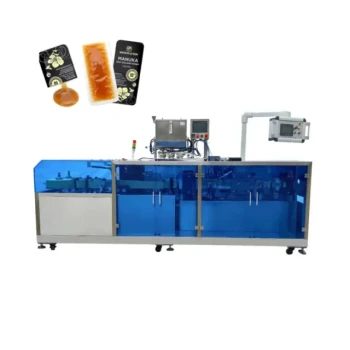
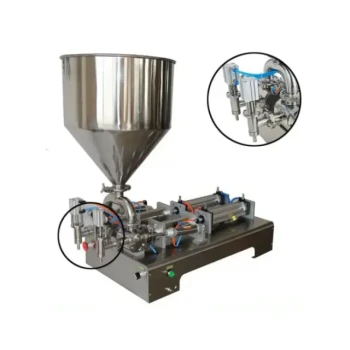
Precision and hygiene in honey filling are the distinctive factors that transform raw agriculture into a high-value commercial asset. Professional machinery is critical because it preserves the honey’s biological integrity—specifically its enzymes and amino acids—while creating the standardized visual presentation required to command a premium price in the retail market.
The Core Insight Honey is a biologically active product that degrades easily when mishandled. High-quality filling machinery is not just about speed; it is the primary safeguard against fermentation and oxidation, ensuring the product inside the jar matches the premium promise on the label.
Preserving Biological Value and Shelf Life
The retail value of honey is often tied to its status as a health product or a "geographically significant" delicacy. Machinery plays a vital role in protecting the chemical properties that justify this positioning.
Preventing Secondary Contamination
Manual handling introduces bacteria and yeast. Professional filling machinery provides a sterile filling environment, which is essential for preventing secondary contamination. This drastically reduces the risk of fermentation, which renders the product unsellable.
Protecting Active Substances
Honey contains sensitive natural components, including enzymes and amino acids. Automated equipment is designed to dose the product without aggressive thermal stress or agitation. This preservation of active ingredients is the technical baseline for marketing honey as a high-end wellness product.
Minimizing Oxidation and Moisture
Exposure to air is the enemy of honey quality. Industrial-grade equipment minimizes the honey's contact with the atmosphere during the filling process. This prevents oxidation and moisture absorption, maintaining the physicochemical stability required for a long, stable shelf life.
The Economics of Standardization and Perception
Beyond biology, the machinery dictates the physical presentation of the product. In the retail sector, consistency equates to trust.
Ensuring Dosage Precision
Manual filling often leads to weight deviations, resulting in either regulatory non-compliance (under-filling) or material loss (over-filling). Industrial machines offer precise dosage control. This ensures every jar contains exactly the advertised amount, maximizing yield and ensuring legal compliance.
Creating a Brand Premium
Consumers judge quality by packaging. Automated machinery facilitates standardized packaging, such as uniform glass jars with industrial-grade encapsulation. This consistency supports the "brand premium," allowing local producers to compete with imported brands and enter mainstream high-value markets.
Enhancing Visual Appeal
A significant portion of purchase decisions are driven by packaging aesthetics. High-precision equipment ensures clean seals and consistent liquid levels. This visual presentation signals safety and quality to the consumer, directly influencing their willingness to pay a higher price.
Understanding the Trade-offs
While the benefits of automation are clear, transitioning to industrial filling involves specific considerations regarding operational complexity.
Capital Investment vs. Material Loss
Implementing high-end machinery requires significant upfront capital compared to manual labor. However, this cost is generally offset by the reduction in material loss and labor costs over time. The trade-off is an immediate financial burden in exchange for long-term unit profitability.
Maintenance and Sanitation Rigor
To maintain the "sterile environment" mentioned earlier, these machines require strict cleaning protocols. Using advanced machinery shifts the labor burden from filling jars to maintaining hardware hygiene. Neglecting this maintenance creates a single point of failure that can contaminate entire batches.
Making the Right Choice for Your Goal
When selecting filling technology, align the machinery's capabilities with your specific market position.
- If your primary focus is the Health/Wellness Market: Prioritize machinery with enclosed systems and minimal aeration to protect enzymes and prevent oxidation.
- If your primary focus is Mass Retail Distribution: Prioritize high-speed machines with rigorous dosage control to eliminate weight deviations and ensure uniform shelf presence.
- If your primary focus is Boutique/Artisanal Branding: Focus on equipment that handles specific high-end packaging materials (like glass) gently to ensure a flawless visual presentation.
Investing in precision filling is not just an operational upgrade; it is a strategic necessity for validating the premium price point of your honey.
Summary Table:
| Feature | Impact on Honey Quality | Commercial Value |
|---|---|---|
| Hygienic Seals | Prevents fermentation & secondary contamination | Extends shelf life & reduces product loss |
| Dosing Precision | Eliminates over-filling and under-filling | Ensures legal compliance & maximizes yield |
| Gentle Handling | Protects active enzymes and amino acids | Maintains 'High-End Wellness' product status |
| Atmospheric Control | Minimizes oxidation and moisture absorption | Preserves taste, color, and chemical stability |
| Standardized Packing | Uniform visual presentation & clean seals | Commands premium pricing & builds consumer trust |
Elevate Your Honey Brand with HONESTBEE Precision
At HONESTBEE, we understand that for commercial apiaries and distributors, the difference between raw honey and a premium retail asset lies in the processing. We provide the comprehensive range of beekeeping machinery and tools you need to scale your operations and protect your product's biological integrity.
Our Value to You:
- Advanced Machinery: From high-precision honey-filling machines to hive-making equipment.
- Global Supply: A full spectrum of beekeeping tools and essential industry consumables.
- Brand Support: Specialized hardware and honey-themed merchandise to enhance your market presence.
Ready to transform your production line and command a higher market price? Contact HONESTBEE today to discuss our wholesale offerings and industrial solutions tailored to your business.
References
- Ever Sánchez Osorio, María de Lourdes Flores-López. Conflictos ambientales en la producción apícola: resistencia maya ante la agricultura corporativa en la península de Yucatán. DOI: 10.53331/teq.v1i3.5419
This article is also based on technical information from HonestBee Knowledge Base .
Related Products
- Precision Durable Efficient HONESTBEE Rotary Honey Filling Machine
- Economy Small Honey Filling Machine Honey Bottle Filler Packaging Machine
- Commercial Rotary Honey Filling Machine for Production
- Semi Automatic Small Honey Bottle Filling Machine Honey Filler
- Fully Automatic Honey Filling Packaging Machine for Processing Line
People Also Ask
- How do honey filling and processing machines aid native bee product conservation? Boost Value with HONESTBEE Technology
- What quality control role does professional honey filling equipment perform? Ensure Consistency and Product Stability
- What is a key feature of the new generation of the honey filling machine? The Advanced Electronic Control Unit
- How do high-precision honey filling machines ensure quality? Optimize Your Commercial Production with HONESTBEE
- What are the common types of bottling machines used for honey? Choosing the Right Solution for Your Apiary