Automated honey extraction and filtration equipment is the definitive solution for modernizing regional honey production because it enables the rapid processing of large raw material volumes while simultaneously safeguarding the product against contamination. By replacing manual handling with industrial precision, producers can preserve critical bioactive components and flavor profiles, allowing regional honey to meet the stringent standards required for high-end exports and medical-grade applications.
The shift to automation is not merely about increasing speed; it is about establishing the rigorous consistency and purity necessary to compete globally. It transforms traditional beekeeping into a standardized industrial operation capable of delivering high-value, safe products to pharmaceutical and food sectors.
Elevating Quality and Safety Standards
Preserving Bioactive Integrity
Traditional processing often exposes honey to fluctuating conditions that can degrade its quality. Automated equipment utilizes high-precision temperature control to ensure that sensitive bioactive components remain intact. This technology also protects specific flavor profiles, which is essential for marketing premium single-origin or specialty honeys.
Eliminating Contamination Risks
Manual handling is the primary source of secondary contamination in food processing. Automated production lines reduce human contact to a minimum, creating a closed, sterile environment. This adherence to hygiene ensures the final product is additive-free and safe, satisfying international tracking and safety requirements.
Achieving Superior Purity and Clarity
Fine filtration systems physically remove impurities such as wax debris, bee fragments, and larvae without compromising nutritional value. This process significantly improves the sensory qualities of the honey, such as color and transparency. The result is a clear, visually appealing product that commands higher retail pricing.
Optimizing Biological and Operational Efficiency
Maximizing Yield via Comb Reuse
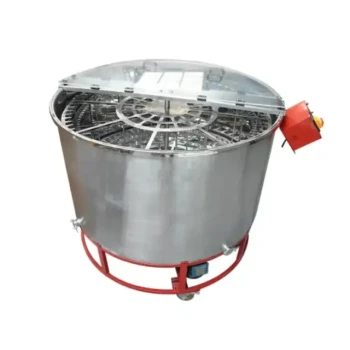
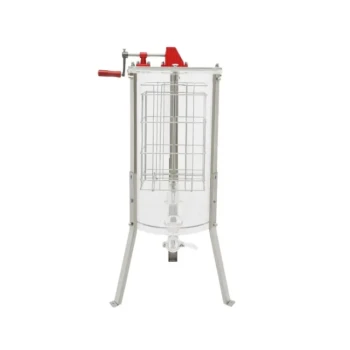
Professional centrifugal extractors separate honey from the comb without destroying the structure. This preservation allows the honeycombs to be returned to the hive for reuse. Because bees do not need to expend biological energy on secreting new wax and building nests, they convert more energy into actual honey production, directly increasing total output.
Managing High-Volume Harvests
Regions with high production potential require equipment capable of handling massive influxes of raw material in short timeframes. Industrial-grade machinery facilitates the standardized processing of large scales, ensuring no bottleneck occurs during peak harvest seasons.
Reducing the Production Cycle
By integrating extraction, filtration, and bottling, automated systems significantly shorten the time from hive to market. This efficiency reduces reliance on manual labor and accelerates the overall production cycle, allowing for faster capital turnover and operational scalability.
Understanding the Trade-offs
While the benefits of automation are clear, the transition requires a shift in operational mindset.
Capital and Complexity Implementing industrial-grade systems involves a significant upfront investment compared to traditional manual tools. It moves the operation from a labor-intensive model to a capital-intensive one, requiring technical maintenance and standardized protocols to ensure the machinery functions correctly.
Precision Management The efficacy of these systems relies on correct calibration. If temperature controls or filtration settings are not managed precisely, there is a risk of altering the honey's natural state. Operators must be trained to manage these parameters to ensure the technology preserves, rather than diminishes, the product's natural value.
Making the Right Choice for Your Goal
To maximize the impact of this technology, align your equipment choice with your specific strategic objectives:
- If your primary focus is High-End Export: Prioritize systems with advanced temperature control and fine filtration to guarantee the preservation of bioactive components and compliance with international hygiene standards.
- If your primary focus is Maximizing Volume: Invest heavily in centrifugal extractors that preserve honeycomb integrity, as this directly reduces bee energy expenditure and maximizes raw honey output per hive.
- If your primary focus is Brand Positioning: Select equipment that ensures high visual clarity and traceability, enabling you to market a premium, transparent, and pure product to consumers.
By integrating automated extraction and filtration, you are not just buying machinery; you are securing the infrastructure needed to turn a raw agricultural commodity into a high-value commercial asset.
Summary Table:
| Feature | Traditional Manual Processing | Automated Industrial Systems | Impact on Production |
|---|---|---|---|
| Processing Speed | Slow / Labor-intensive | Rapid / High-volume | Shorter production cycles |
| Hygiene & Safety | High contamination risk | Closed, sterile environment | Meets international food standards |
| Temperature Control | Unstable / Manual | High-precision sensors | Preserves bioactive components |
| Comb Preservation | Frequent damage to wax | Centrifugal extraction (Safe) | Increases yield via comb reuse |
| Product Clarity | Variable / Inconsistent | Multi-stage fine filtration | Superior sensory appeal and price |
Revolutionize Your Beekeeping Operation with HONESTBEE
Transitioning from traditional methods to industrial automation is the key to unlocking global market potential. At HONESTBEE, we specialize in empowering commercial apiaries and distributors with the tools needed for large-scale success.
Why partner with us?
- Comprehensive Equipment Range: From high-capacity centrifugal extractors to precision honey-filling and hive-making machines.
- Industrial Scalability: Our machinery is designed to handle massive harvests while maintaining the biological integrity of your honey.
- Total Solutions: We supply everything from heavy-duty hardware to essential industry consumables and honey-themed merchandise.
Ready to upgrade your regional production to medical-grade and high-end export standards? Contact HONESTBEE today to discover how our wholesale solutions can maximize your efficiency and market value.
References
- Nur İlkay Abacı, Selim Bıyık. Classification of the Provinces of the Black Sea Region in Terms of Beekeeping. DOI: 10.51458/bstd.2021.18
This article is also based on technical information from HonestBee Knowledge Base .
Related Products
- Automatic Honey Filling and Filtering Machine for Beekeeping Bottle Filling
- Electric Double Wall Honey Filtering Machine Purifier Equipment for Honey Processing Plant
- Honey Concentrating and Filtering Dehumidifier Machine 2T Capacity for Honey
- 32 Frame Commercial Electric Honey Extractor for Beekeeping and Honey Production
- HONESTBEE 72 Frame Industrial Electric Honey Extractor for Beekeeping
People Also Ask
- What process advantages do professional honey filtering and filling machines provide? Optimize Your Organic Honey Output
- How do honey filling and filtering machines increase product value? Turn Raw Honey into Premium Export-Grade Goods
- How do honey filtration and filling machinery contribute to industrialization? Scale Your Commercial Honey Production
- What specific issues do industrial filtration and automated filling machinery address? Ensure Honey Quality & Compliance
- How does the use of professional honey filtration and filling machinery facilitate international honey exports?