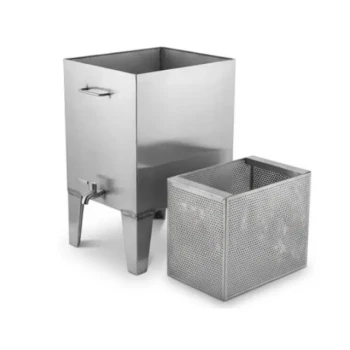
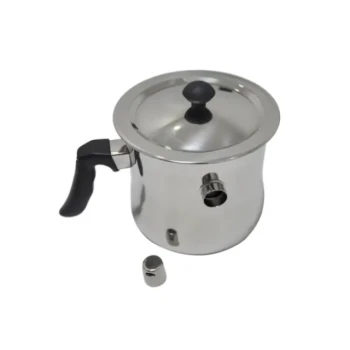
Submerged extraction is the superior choice for commercial operations primarily due to its ability to maximize yield where manual methods fail. Traditional manual pressing is notoriously inefficient, typically recovering only about 50% of the available beeswax. In contrast, submerged extraction utilizes a controlled heated water bath and mechanical agitation to liberate wax that would otherwise be lost in waste residue.
Submerged extraction transforms commercial viability by replacing the physical limitations of manual pressing with thermal and mechanical separation, drastically reducing wax loss in waste (slum gum) and maximizing returns from high-impurity sources.
The Efficiency Deficit of Manual Pressing
The 50% Threshold
For commercial entities, yield is the defining metric of success. Traditional manual pressing relies on physical force which is often uneven and insufficient for total extraction.
Consequently, this method typically hits a hard ceiling, achieving only approximately 50% efficiency. Half of the potential product remains trapped, rendering this method economically unviable for large-scale operations.
The Problem of "Slum Gum"
The waste residue left over after processing is known as slum gum. In manual operations, this residue remains rich in recoverable wax.
Because manual pressing lacks the mechanisms to thoroughly separate the wax from the solid impurities, the business effectively throws away valid inventory with every batch processed.
How Submerged Extraction Solves the Problem
Thermal Separation
Submerged extraction moves beyond simple pressure by introducing a controlled-temperature water bath.
Heat changes the viscosity of the wax, allowing it to flow away from impurities naturally. This thermal environment ensures that the wax is in the optimal state for separation, distinct from the solid waste.
Mechanical Agitation
The primary reference highlights the critical role of mechanical agitation in this process.
By actively stirring and agitating the mixture within the water bath, the system physically breaks up pockets of impurities. This ensures the hot water contacts all the wax, releasing it from the grasp of the residue.
Handling High-impurity Sources
Commercial operations often deal with raw honeycomb that varies in quality and cleanliness.
Submerged extraction offers a distinct competitive advantage when processing these high-impurity sources. The combination of heat and motion separates debris more effectively than static pressing ever could.
Understanding the Trade-offs
Operational Complexity
While manual pressing is mechanically simple, submerged extraction introduces technical complexity.
Operators must manage water temperatures precisely and maintain mechanical agitation systems. This requires a higher level of process control than simple physical pressing.
Energy and Equipment Requirements
Moving from manual to submerged extraction shifts the cost structure from labor to equipment and energy.
The system requires energy to heat the water bath and power the agitators. However, in a commercial context, the increased yield usually offsets these operational costs significantly compared to the losses incurred by manual pressing.
Making the Right Choice for Your Goal
To select the processing method that aligns with your operational scale, consider the following:
- If your primary focus is maximizing commercial yield: Adopt submerged extraction to recover the significant percentage of wax that manual methods leave behind in the slum gum.
- If your primary focus is processing high-impurity raw material: Utilize submerged extraction to leverage mechanical agitation, which separates wax from debris more effectively than static pressure.
For commercial success, the operational ease and superior extraction rates of submerged methods make it the definitive standard over manual alternatives.
Summary Table:
| Feature | Manual Pressing | Submerged Extraction |
|---|---|---|
| Typical Yield | ~50% (High loss in slum gum) | Maximized (Low residual wax) |
| Primary Mechanism | Physical pressure | Thermal separation & agitation |
| Impurity Handling | Poor; wax remains trapped | Superior; effective debris separation |
| Process Control | Low (Manual labor) | High (Temperature/Agitation control) |
| Ideal For | Small hobbyist use | Commercial apiaries & distributors |
Maximize Your Beeswax Production with HONESTBEE
At HONESTBEE, we understand that for commercial apiaries and distributors, efficiency is the bottom line. Traditional manual pressing leaves half your profit in the waste pile. Our comprehensive range of commercial beekeeping machinery and specialized hardware—including high-efficiency extraction systems—is designed to help you recover every drop of wax and scale your operations.
From honey-filling machines to industrial-grade beeswax processing equipment, we provide the tools and consumables you need to thrive. Contact our experts today to discuss how our wholesale solutions can enhance your yield and streamline your business.
References
- Meseret Gemeda, Deressa Kebebe. Evaluation of the Quality of Beeswax from Different Sources and Rendering Methods. DOI: 10.20431/2349-0365.0706005
This article is also based on technical information from HonestBee Knowledge Base .
Related Products
- Steam Beeswax Melter Wax Warmer for Wax Processing
- Solar Beeswax Melter Easy Solar Wax Melter for Beeswax
- 10L Stainless Steel Honey Wax Press Extractor for Wax Cappings
- Electric Beeswax Flat Sheet Machine with Operating Tray for Wax Processing
- Beeswax Melter for Candle Making Honey Bee Wax Melter
People Also Ask
- How does a steam wax melter work? A Fast, Efficient Method for High-Quality Wax
- How does a professional steam wax melter optimize the recovery of beeswax? Maximize Yield & Hygiene for Your Apiary
- What are the steps to use a steam wax melter? Master Safe & Efficient Wax Rendering
- How do steam wax melters function in the disinfection of apiary equipment? Achieve Chemical-Free Organic Sterilization
- How do you operate a steam wax melter? Master Efficient Wax Extraction and Frame Sterilization