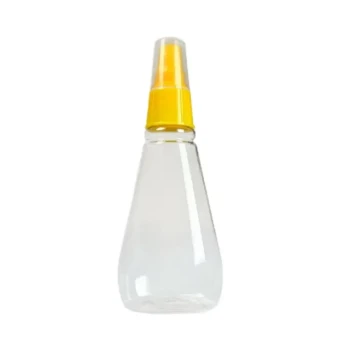
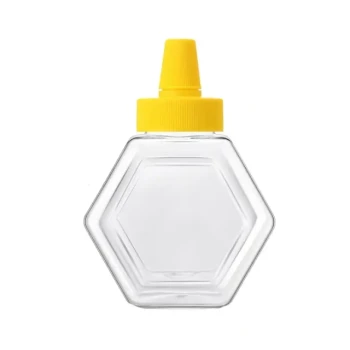
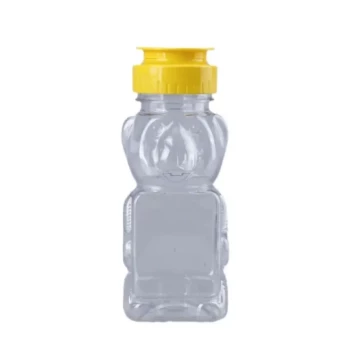
The integrity of a honey sample relies entirely on isolation from the environment. Airtight plastic bottles are essential primarily because honey is highly hygroscopic, meaning it naturally absorbs moisture from the surrounding air. Without a hermetic seal, atmospheric humidity will penetrate the sample, altering its water content and triggering fermentation or spoilage, while simultaneously allowing volatile aromatic compounds to escape and external impurities to enter.
Core Takeaway The validity of laboratory analysis depends on the sample remaining unchanged from the moment of collection. Airtight containers create a critical barrier against moisture exchange and contamination, ensuring the honey’s physical and chemical profile in the lab is identical to its state at the production site.
The Critical Threat: Hygroscopicity and Moisture
Preventing Moisture Absorption
Honey seeks equilibrium with its environment. If left exposed to humid air, it effectively "pulls" water into itself.
Airtight bottles create a physical barrier that blocks this moisture exchange. This preserves the original moisture content of the honey, which is a key quality parameter.
Inhibiting Fermentation
The stability of honey is directly tied to its water content. When honey absorbs enough environmental moisture, natural yeasts present in the matrix become active.
Once activated, these yeasts consume sugars and produce alcohol and carbon dioxide. An airtight seal prevents the moisture spike that acts as the catalyst for this spoilage.
Preserving Chemical and Sensory Fidelity
Retaining Volatile Compounds
The unique flavor and aroma of a specific honey variety come from volatile aromatic compounds. These molecules are unstable and can easily evaporate into the air.
Sealed plastic bottles trap these compounds within the headspace of the container. This ensures that sensory analysis accurately reflects the honey’s true botanical origin and quality.
Ensuring Biochemical Stability
Honey contains fragile bioactive components, such as antioxidants (polyphenols and flavonoids) and enzymes.
Exposure to air and moisture can destabilize these components. By isolating the honey, the container helps maintain the biochemical stability required for accurate testing of nutritional and medicinal properties.
Material Suitability and Contamination Control
Preventing Secondary Contamination
Field environments are rarely sterile. Dust, fungal spores, and bacteria are present in the air at the collection site.
Airtight vessels prevent these external impurities from entering the sample. This is critical for microbial testing, as it distinguishes between microbes naturally in the honey and those introduced during transport.
The Role of Chemical Inertness
Honey is acidic, containing various organic acids.
High-quality plastic bottles, particularly those made of High-Density Polyethylene (HDPE), are chemically inert. Unlike some metals, they do not react with the honey’s acids, ensuring the sample is not altered by the container itself.
Understanding the Trade-offs
Temperature Sensitivity
While airtight bottles block moisture, they do not block heat. A sealed bottle left in a hot vehicle can still suffer from chemical degradation (such as HMF formation) even if the moisture content is stable.
Light Exposure
Standard clear plastic bottles offer airtight protection but lack light protection. Light can degrade specific vitamins and bioactive markers. If using clear plastic, the samples must still be stored in a dark environment or secondary shielding.
Making the Right Choice for Your Goal
To ensure your honey samples yield valid data, select your container strategy based on your specific analytical needs:
- If your primary focus is Moisture and Fermentation Analysis: Prioritize the seal integrity above all else to prevent hygroscopic absorption and yeast activation.
- If your primary focus is Sensory Profiling: Ensure the container has zero headspace leakage to trap volatile aromatic compounds responsible for bouquet and flavor.
- If your primary focus is Chemical Purity (pH/Acidity): Use sterile, food-grade HDPE plastic to prevent reactions between the container and the honey’s organic acids.
The container is not just a vessel; it is a preservation system that dictates the accuracy of every subsequent test.
Summary Table:
| Feature | Protection Mechanism | Impact on Honey Quality |
|---|---|---|
| Hygroscopic Shield | Blocks environmental humidity | Prevents moisture increase and yeast fermentation |
| Hermetic Seal | Traps volatile aromatic compounds | Preserves original flavor profile and botanical identity |
| Chemical Inertness | Acid-resistant HDPE material | Ensures no reaction between container and honey acids |
| Contamination Barrier | Physical seal against dust/spores | Guarantees accuracy of microbial and purity testing |
| Biochemical Lock | Isolates bioactive components | Maintains enzyme and antioxidant stability for analysis |
Elevate Your Honey Quality Control with HONESTBEE
At HONESTBEE, we understand that the integrity of your honey samples is the foundation of your business reputation. As a leading provider for commercial apiaries and distributors, we offer a comprehensive wholesale range of high-quality, food-grade beekeeping tools and equipment designed for professional standards.
From airtight sampling solutions and hive-making machinery to advanced honey-filling systems, our portfolio is built to ensure your product remains pure from the hive to the consumer. Whether you are scaling a commercial operation or supplying the industry, our expert team is ready to provide the specialized hardware and consumables you need to succeed.
Ready to secure your supply chain? Contact us today to explore our wholesale offerings and discover how HONESTBEE can enhance your production efficiency!
References
- Shabu Jemal Abakorma, Zerehun Kebebew. Effects of coffee management on Bee Floral Diversity, Honey Yield and Quality: The Case of Gera District, Jimma Zone, South West Ethiopia. DOI: 10.32663/ba.v1i2.1163
This article is also based on technical information from HonestBee Knowledge Base .
Related Products
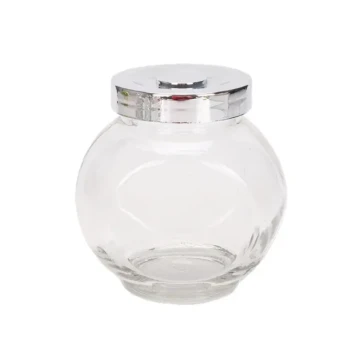
- Classic Drum Shaped Glass Honey Jar with Airtight Lid
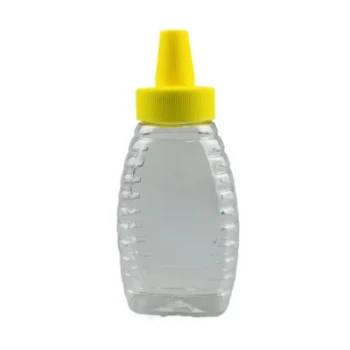
- Classic Beehive Honey Bottle Jar with Squeeze Dispenser Lid
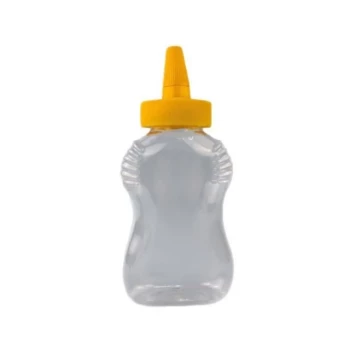
- Ergonomic Squeezable Honey Bottle with Precision Twist Nozzle Cap
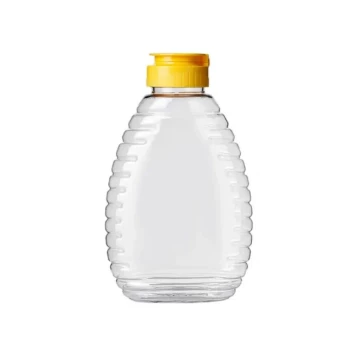
- Squeezable No-Drip Beehive-Shaped Honey Jars with Flip-Top Cap
- Premium PET Squeeze Honey Bottle with Ergonomic Grip and Rotary Dispenser
People Also Ask
- What is the best utensil to store honey? Preserve Purity with the Right Container
- How does the appearance of glass jar packaging affect the sales and perception of honey? Boost Your Premium Brand Value
- Why is a glass jar preferred for packaging honey? Ultimate Protection for Purity & Flavor
- What is the aesthetic appeal of using glass jars for honey? Elevate Your Brand with Premium Packaging
- What are the advantages of glass containers for honey? Elevate Quality and Market Value with Premium Packaging