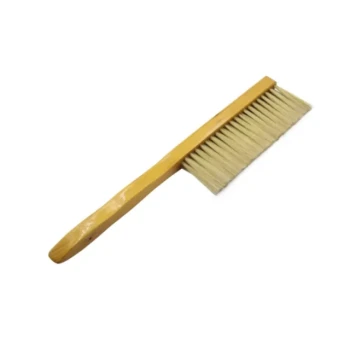
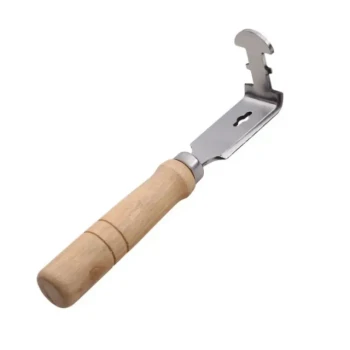
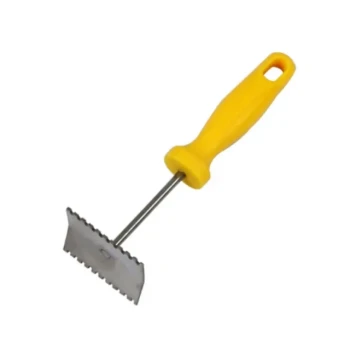
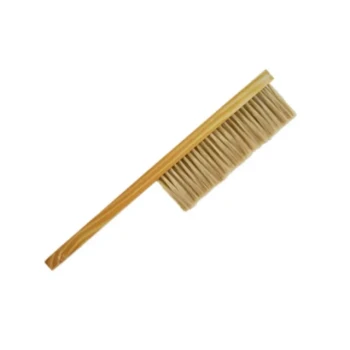
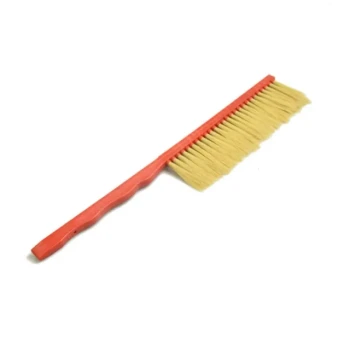
Thorough mechanical pre-cleaning is the absolute prerequisite for effective beehive sterilization because chemical disinfectants generally lack the ability to penetrate dense organic debris. Without the use of cleaning tools to scrape away layers of beeswax and propolis, these substances act as physical shields, preventing the chemical agents from ever making contact with the pathogenic spores hiding underneath.
The Core Takeaway Disinfection is strictly a contact-based process; it fails if the chemical cannot touch the pathogen. Mechanical cleaning removes the protective organic "armor" of wax and propolis, ensuring the disinfectant can reach and kill spores trapped in the material's surface.
The Mechanics of Sterilization Failure
To understand why scrubbing is mandatory, you must look at how beehive contaminants interact with sterilization chemicals on a physical level.
The Organic Barrier
Beehive materials are rarely clean; they are coated in beeswax and propolis.
These substances are naturally hydrophobic (water-repelling) and dense. They form a physical crust over the surface of wood or plastic hive components.
If you apply a chemical disinfectant directly to this crust, it sits on top of the wax. It never touches the actual surface of the equipment where pathogens reside.
The Problem of Trapped Spores
Pathogenic spores are microscopic and resilient. They do not just sit on the surface; they often lodge themselves into the deep pores of the material.
Beeswax and propolis often fill these pores, effectively sealing the spores inside.
Using cleaning tools to scrape the material digs these residues out of the pores, re-exposing the spores to the environment—and consequently, to the disinfectant.
Ensuring Chemical Wetting
For a disinfectant to work, it must "wet" the surface completely.
"Wetting" refers to the liquid spreading out and maintaining contact with the material rather than beading up.
By mechanically removing the oily, waxy residues, you alter the surface properties of the material, allowing the chemical solution to penetrate deep into cracks and crevices to execute the kill.
Common Pitfalls and Trade-offs
While mechanical cleaning is labor-intensive, understanding the risks of skipping it is vital.
The Illusion of Sterilization
The greatest risk in this process is the "false negative."
If you dip a dirty frame into disinfectant, it may smell clean and look wet, but the pathogens beneath the wax remain alive. This leads to the reintroduction of disease into a healthy colony, wasting the time and money spent on the chemicals.
Effort vs. Efficacy
Manual scraping takes time and physical effort.
However, there is no chemical shortcut. Increasing the concentration of the disinfectant cannot compensate for the lack of physical access to the pathogen. The trade-off is simple: invest labor now to ensure the chemical actually works.
Making the Right Choice for Your Project
The goal of disinfection is zero survival of pathogens. Adopting a strict cleaning protocol is the only way to achieve this.
- If your primary focus is Disease Eradication: Prioritize aggressive scraping with sharp tools to strip all visible wax and propolis before any chemical touches the equipment.
- If your primary focus is Process Efficiency: Recognize that skipping the scraping stage renders the chemical stage ineffective; "saving time" on scraping results in total process failure.
Chemicals kill pathogens, but only mechanical tools can grant them access.
Summary Table:
| Stage | Purpose | Key Action | Risk of Skipping |
|---|---|---|---|
| Mechanical Cleaning | Remove "Organic Armor" | Scraping wax and propolis | Pathogens remain shielded and alive |
| Chemical Application | Eradicate Pathogens | Complete surface wetting | Ineffective contact; false sterilization |
| Verification | Ensure Bio-security | Deep pore penetration | Reintroduction of disease to colonies |
Maximize Your Apiary’s Bio-Security with HONESTBEE
Effective sterilization starts with the right tools. HONESTBEE caters to commercial apiaries and distributors with a comprehensive wholesale offering designed for large-scale efficiency. From professional-grade scraping hardware and hive-making machinery to honey-filling equipment and essential industry consumables, we provide everything you need to maintain a pathogen-free environment.
Don't let hidden spores compromise your production. Contact us today to explore our full equipment catalog and learn how our specialized tools can streamline your maintenance workflow and protect your colony health.
References
- Joseph Kiriamburi, Anna Nilsson. Short communication: Efficacy of two commercial disinfectants on<i>Paenibacillus larvae</i>spores. DOI: 10.1101/2021.03.16.435711
This article is also based on technical information from HonestBee Knowledge Base .
Related Products
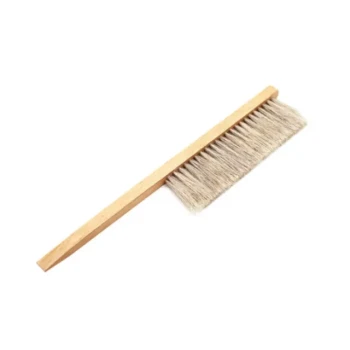
- Wooden Bee Brush with Double-Row Horsehair Bristles
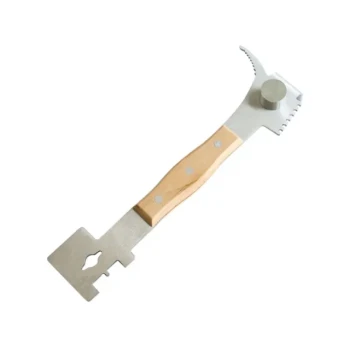
- HONESTBEE Professional Multi-Functional Hive Tool with Ergonomic Wood Handle
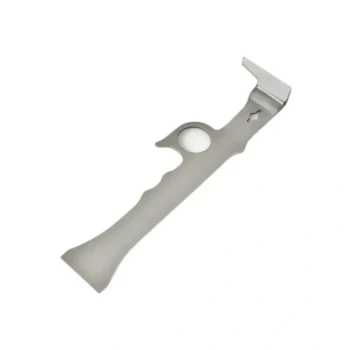
- HONESTBEE Professional Mini J-Hook Hive Tool for Beekeeping
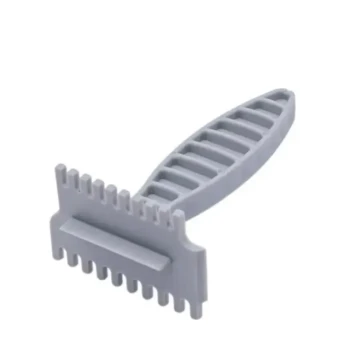
- Precision Stainless Steel Frame Cleaner for Hive Grooves and Corners
- Professional Stainless Steel Pry-Bar Hive Tool
People Also Ask
- Why is a bee brush necessary when extracting honeybee hive frames that contain larvae? Protect Your Brood and Colony
- What is the correct way to use a bee brush and what actions should be avoided? Master Gentle Hive Management
- What are the specific functions of the bee brush and the sealed sampling bottle? Optimize Your Parasite Sampling.
- What is a bee brush and what is it used for? Master Precision Bee Removal with Gentle Sweeping Techniques
- What is a bee brush used for in beekeeping? Essential Tool for Safe Hive Inspections & Honey Harvesting