Sample integrity is the foundation of accurate disease diagnosis. The critical reason for using disposable sampling spoons when detecting Paenibacillus larvae is to completely eliminate the risk of cross-contamination between bee colonies. Because the spores of this pathogen are highly infectious and persist in the environment, single-use consumables are the only way to ensure test results truly reflect the health of the specific hive being sampled.
The resilience of Paenibacillus larvae spores means that standard cleaning methods often fail to sterilize reusable tools. Using disposable spoons prevents false positives that would otherwise compromise your epidemic prevention strategies.
The Biological Imperative for Disposables
The Persistence of Spores
Paenibacillus larvae, the pathogen responsible for American Foulbrood, is not a fragile organism. It typically exists in honey as spores that are designed for survival.
These spores can persist in the environment for extended periods. This longevity means that a sampling tool used once carries a long-term risk of becoming a vector for infection if reused.
Resistance to Cleaning
The physical structure of these spores includes extremely robust protein coats and cortex structures.
While these structures are meant to protect the DNA, they also make the spores resistant to standard chemical lysis and cleaning agents. Reusing a spoon, even after attempting to clean it, poses a high probability of transferring viable spores to the next sample.
Impact on Disease Management
Preventing False Positives
The primary goal of sampling is to determine the health status of a specific hive.
If a spoon carries residue from an infected colony to a healthy one, the healthy colony will test positive. This false positive corrupts your data, making it impossible to distinguish between a truly sick hive and a contaminated sample.
Validating Decision Making
Epidemic prevention relies on precise data to make difficult decisions, such as quarantining or destroying hives.
Using disposable spoons ensures that these management decisions are based on the actual presence of the pathogen in that specific sample. It safeguards against the unnecessary destruction of healthy colonies caused by procedural error.
Common Pitfalls in Sampling Protocols
The Illusion of Sterility
A common mistake is assuming that field sterilization (wiping or dipping tools) is sufficient for Paenibacillus larvae.
Because the spores require intense mechanical force (such as grinding beads) or harsh chemicals to break open, a simple field cleaning will not remove them. Disposables are not a luxury; they are a necessity because field sterilization is functionally impossible for this pathogen.
Contextual Contamination
While disposables protect individual samples, be aware of upstream contamination.
If you are using an industrial honey extractor to pool samples (mixing honey from 9-18 hives), the extractor itself acts as a mixing vessel. However, you must still use a fresh disposable spoon for each distinct batch collected from the outflow to ensure that one infected batch does not compromise the diagnosis of subsequent batches.
Making the Right Choice for Your Goal
To ensure your molecular detection methods (like PCR) yield actionable results, you must align your sampling protocol with the pathogen's biology.
- If your primary focus is individual hive diagnosis: Use a new disposable spoon for every single frame or hive to isolate infections to a specific colony.
- If your primary focus is apiary-level risk assessment: When collecting pooled samples from an extractor, change spoons between every batch (every 9-18 hives) to accurately segment risk across the apiary.
By treating every sample as a potential biohazard, you protect the validity of your data and the future health of your apiary.
Summary Table:
| Aspect | Reusable Sampling Tools | Disposable Sampling Spoons |
|---|---|---|
| Cross-Contamination Risk | High; spores persist after cleaning | Zero; single-use ensures isolation |
| Sterilization Difficulty | Resistant to chemical lysis and wipes | Not required (sterile from package) |
| Data Accuracy | Risk of false positives | High; reflects true colony health |
| Operational Efficiency | Low (requires field cleaning) | High (fast and convenient) |
| Decision Impact | Can lead to unnecessary hive destruction | Supports valid quarantine decisions |
Secure Your Apiary’s Health with HONESTBEE Professional Solutions
Protecting your honey production from Paenibacillus larvae requires more than just testing—it requires the right equipment. HONESTBEE provides commercial apiaries and distributors with high-quality beekeeping tools and essential consumables designed for rigorous industry standards. From sterile sampling supplies to honey-filling machines and specialized hive-making hardware, we empower your business to maintain the highest hygiene standards.
Ready to scale your commercial operation or restock your distribution inventory?
Contact HONESTBEE Today for Wholesale Inquiries
References
- E. Wilhelm, W. Rossmanith. Monitoring of Paenibacillus larvae in Lower Austria through DNA-Based Detection without De-Sporulation: 2018 to 2022. DOI: 10.3390/vetsci10030213
This article is also based on technical information from HonestBee Knowledge Base .
Related Products
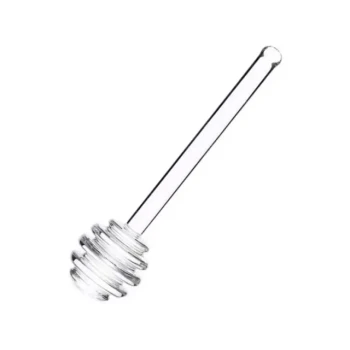
- Professional Plastic Honey Dipper for Easy Honey Drizzling
- Heavy-Duty Ergonomic Grip Galvanized Pollen Shovel
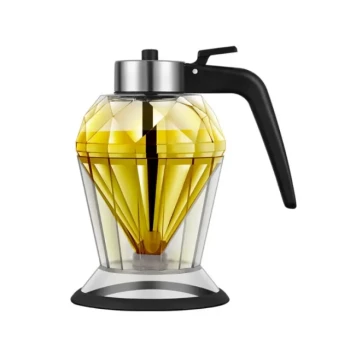
- Premium Diamond-Faceted Glass Honey Dispenser
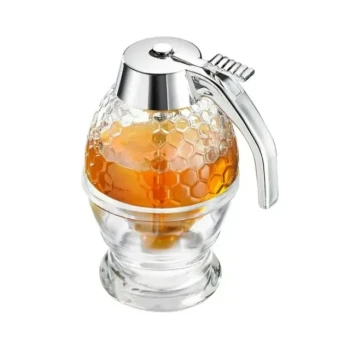
- Honeycomb Style Drip Free Honey Dispenser
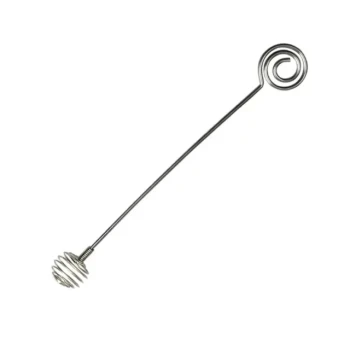
- Heavy Duty 304 Stainless Steel Honey Dipper
People Also Ask
- What is a honey taking spoon called? Discover the Tool for a Perfect, Mess-Free Drizzle
- What is the proper method for cleaning a honey dipper? Maintain Pure Flavor with These Easy Pro Tips
- What is a honey dipper and what is it used for? A Guide to Mess-Free Drizzling
- What is a honey dipper? Master the Art of the Perfect Drizzle with This Essential Tool
- How do you clean and store a honey dipper? Simple Steps for Long-Lasting Performance