The integrity of honey analysis relies entirely on arresting the sample's natural tendency to react with its environment. Sealed glass containers are required to block moisture exchange that alters viscosity and fermentation risks, while light-protected environments are strictly necessary to prevent the photodegradation of light-sensitive enzymes and antimicrobial compounds.
Core Takeaway Honey is a chemically dynamic substance that is highly hygroscopic and photosensitive. Proper storage does not just "keep it fresh"; it freezes the sample's physicochemical state, ensuring that laboratory data reflects the honey's original quality rather than artifacts of degradation caused by humidity, light exposure, or evaporation.
Preserving Physicochemical Stability
The Hygroscopic Nature of Honey
Honey is highly hygroscopic, meaning it actively attracts and absorbs moisture from the surrounding atmosphere.
If a sample is left unsealed or in a permeable container, it will absorb humidity. This alters the sample's water content, a critical quality parameter, and dilutes the honey, potentially leading to inaccurate viscosity readings.
Preventing Evaporation and Fermentation
Conversely, in dry environments, unsealed samples can lose moisture through evaporation.
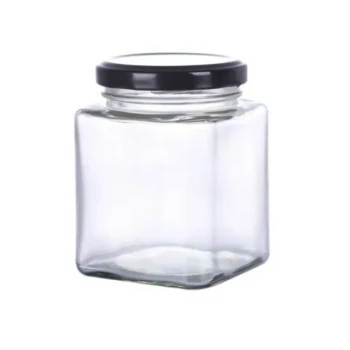
Sealed glass creates an airtight barrier that stabilizes the moisture balance. This is particularly critical for honey varieties with naturally high water content, such as stingless bee honey, where excess environmental moisture can trigger rapid fermentation and spoilage.
Chemical Inertness
Glass is the material of choice because of its superior chemical stability.
Unlike certain plastics or metals, glass does not react with the honey's acidic composition. This prevents the sample from interacting with container walls, ensuring no foreign chemical byproducts are introduced into the specimen prior to analysis.
Protecting Biological Activity
Preserving Antimicrobial Components
The medicinal value of honey often lies in its antimicrobial properties, specifically components like hydrogen peroxide.
These compounds are notoriously unstable when exposed to light. Storing samples in a dark or light-protected environment prevents the rapid degradation of these active agents, ensuring that antibacterial activity tests yield representative results.
Maintaining Enzyme Integrity
Key enzymes used as freshness indicators, such as amylase and invertase, are sensitive to photodegradation and heat.
Continuous exposure to light can denature these enzymes. By eliminating light exposure, you ensure that the enzymatic activity measured in the lab accurately reflects the honey's age and processing history, rather than damage incurred during storage.
Ensuring Physical Consistency
Eliminating Air Bubbles
During the transfer of honey to storage containers, minimizing air entrapment is vital for rheological testing.
Air bubbles disrupt fluid continuity. If bubbles are present during testing, they cause torque fluctuations and reading deviations, making it impossible to obtain repeatable data regarding the honey's flow and texture.
Preventing Secondary Contamination
Sterile, sealed glass containers provide an absolute barrier against external microbial interference.
This isolation prevents secondary contamination from environmental bacteria or yeast. It ensures that any microbial activity detected during testing is inherent to the honey itself, rather than a result of poor handling.
Understanding the Trade-offs
While sealed glass and dark storage are the gold standards, they present operational challenges that must be managed.
Fragility and Weight
Glass is heavier and more fragile than plastic, posing a higher risk of sample loss during transport if not properly padded. Lab protocols must account for careful handling to prevent breakage and injury.
Inspection Limitations
Light-protected environments make visual inspection difficult.
To check for crystallization or phase separation, technicians may need to briefly expose the sample to light or open the container. This creates a minor risk of altering the sample, so such inspections should be minimized and performed quickly.
Making the Right Choice for Your Goal
To ensure your testing data is legally and scientifically defensible, apply the following storage principles based on your specific analytical focus:
- If your primary focus is Chemical Composition: Prioritize hermetic sealing to prevent moisture migration that skews specific gravity and water content percentages.
- If your primary focus is Biological Activity: Prioritize light exclusion to protect peroxide levels and enzyme counts from photodegradation.
- If your primary focus is Rheology (Texture/Flow): Prioritize bubble-free transfer into rigid glass to ensure the fluid dynamics remain continuous and measurable.
Treat the sample container not just as a vessel, but as a critical instrument in maintaining the chain of evidence for your quality analysis.
Summary Table:
| Storage Factor | Protective Requirement | Impact on Honey Quality |
|---|---|---|
| Moisture Content | Airtight Sealed Glass | Prevents hygroscopic absorption, evaporation, and fermentation. |
| Chemical Stability | Inert Glass Material | Ensures no reaction with honey's acidity; prevents chemical leaching. |
| Enzyme Activity | Light-Protected Environment | Protects amylase and invertase from photodegradation and denaturation. |
| Antimicrobial Properties | Dark Storage | Preserves hydrogen peroxide and medicinal compounds from light damage. |
| Physical Texture | Rigid, Bubble-Free Container | Maintains fluid continuity for accurate rheological and viscosity testing. |
Maximize Your Apiary's Potential with HONESTBEE
Maintaining honey integrity doesn't stop at the lab—it begins with the right equipment. HONESTBEE serves commercial apiaries and global distributors by providing a comprehensive range of professional beekeeping tools, specialized hive-making machinery, and precision honey-filling systems.
Whether you are looking for high-quality consumables or industrial-scale honey processing hardware, we offer the expertise and wholesale solutions you need to ensure your honey meets the highest global standards.
Ready to elevate your production and quality control?
References
- Lenka Vorlová, Zuzana Derflerová Brázdová. The antimicrobial activity of honeys produced in theCzech Republic. DOI: 10.17221/4180-cjas
This article is also based on technical information from HonestBee Knowledge Base .
Related Products
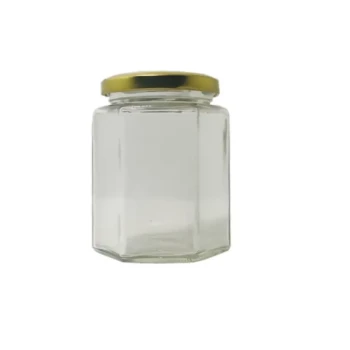
- Hexagonal Glass Honey Jars with Metal Lug Caps Elegant Versatile Packaging
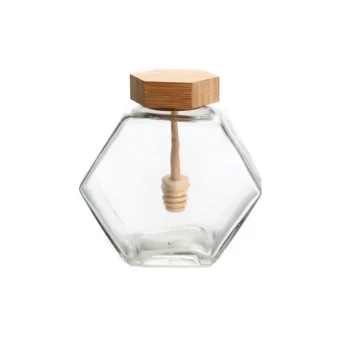
- Hexagonal Glass Honey Jar with Wooden Lid Integrated Dipper Elegant Functional Storage
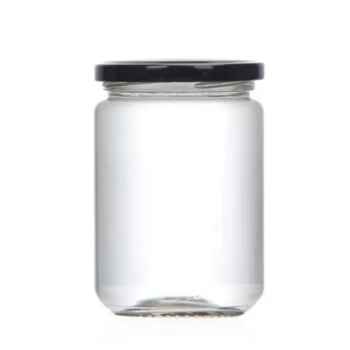
- Classic Glass Honey Jar with Metal Lug Cap for Beehive Storage
- Classic Drum Shaped Glass Honey Jar with Airtight Lid
- Classic Round Glass Honey Jar with Lid
People Also Ask
- What is the aesthetic appeal of using glass jars for honey? Elevate Your Brand with Premium Packaging
- What are the logistical challenges associated with using glass jars for honey packaging? Navigating Weight & Fragility
- What are the advantages of glass containers for honey? Elevate Quality and Market Value with Premium Packaging
- What are the technical advantages of using glass jars for honey? Master Commercial Packaging for Premium Purity
- What are the advantages of using glass jars for honey packaging? Preserve Purity & Elevate Your Brand