The use of standardized, well-sealed sampling bottles is the primary defense against environmental interference, serving as a critical isolation barrier between the honey and the atmosphere. By utilizing high-quality plastic or glass containers, you prevent the honey from absorbing moisture or undergoing oxidation during the often long and uncontrolled transport from remote forest locations to the laboratory, ensuring that fundamental parameters like moisture content and Total Soluble Solids (TSS) remain unchanged.
Core Insight: The validity of any laboratory result depends entirely on the sample's stability during transit; without a hermetic, standardized seal to prevent hygroscopic changes and contamination, post-transport analysis will reflect environmental exposure rather than the honey’s true quality.
Preserving Physicochemical Integrity
The journey from a remote forest to a controlled lab environment exposes samples to fluctuating humidity and air pressure. Standardized bottles are engineered to neutralize these variables.
Combating Hygroscopicity
Honey is inherently hygroscopic, meaning it naturally attracts and holds water molecules from the surrounding environment. Without a perfect seal, honey will absorb atmospheric moisture, artificially inflating its water content readings. This not only skews quality data but can also trigger fermentation, chemically altering the sample before it reaches the bench.
Preventing Oxidative Degradation
Exposure to oxygen is a catalyst for chemical spoilage. A well-sealed vessel prevents air exchange that leads to oxidation. This is vital for maintaining the original state of Total Soluble Solids (TSS) and ensuring that the honey’s complex sugar profile does not degrade during transport.
Material Inertness
Standardized glass bottles offer exceptional chemical inertness. Because honey is naturally weakly acidic, it can react with inferior container materials. Using high-cleanliness glass or food-grade plastic ensures the vessel itself does not leach impurities into the sample, avoiding the introduction of foreign chemical artifacts.
Ensuring Biological and Microscopic Accuracy
Beyond chemical structure, honey contains biological markers that must be protected to determine origin and sanitary safety.
Eliminating Secondary Contamination
To assess hygiene quality accurately, you must distinguish between microbes inherent to the honey and those introduced during sampling. Sterilized, standardized bottles provide a sterile environment that prevents secondary contamination. This allows for precise quantitative analysis of microbial loads, such as total colony counts, molds, and yeast levels.
Stabilizing Pollen Composition
For botanical identification, the physical properties of the sample must be preserved. Sealed containers, particularly specific plastic varieties, help maintain the stability of pollen composition. This ensures that microscopic identification performed in the lab accurately reflects the floral sources present at the specific apiary location.
Understanding the Trade-offs: Material Selection
While the seal is paramount, the material of the bottle dictates certain preservation capabilities and logistical risks.
Glass vs. Plastic Durability
Glass bottles provide the highest level of chemical inertness and are superior for blocking moisture ingress. However, they pose a safety risk and weight burden during transport from rugged terrain. High-grade plastic offers durability and effective isolation but must be verified as non-reactive to acidic substances.
The Role of Light Shielding
Standard clear bottles seal out air, but they do not block light. Light exposure can degrade light-sensitive components like enzymes. For comprehensive preservation, secondary packaging (such as plastic wraps) or opaque standardized bottles are required to shield the sample from photodegradation.
Making the Right Choice for Your Goal
Select your sampling equipment based on the specific analytical parameters you intend to measure.
- If your primary focus is physicochemical analysis (Moisture/TSS): Prioritize glass or high-density plastic bottles with verified airtight seals to strictly prevent hygroscopic absorption.
- If your primary focus is sanitary and safety assessment: You must use pre-sterilized containers to ensure colony counts reflect the honey, not the container's history.
- If your primary focus is enzyme activity: Ensure the standardized bottle is opaque or use secondary light-blocking packaging to prevent UV-induced degradation.
Data integrity starts in the field; a compromised sample yields compromised science.
Summary Table:
| Parameter Protected | Threat Prevented | Material Benefit |
|---|---|---|
| Moisture Content (TSS) | Atmospheric Absorption | Airtight seals block hygroscopic weight gain. |
| Chemical Profile | Oxidative Degradation | Hermetic barriers prevent sugar and enzyme spoilage. |
| Microbial Safety | Secondary Contamination | Sterilized containers ensure accurate colony counts. |
| Purity/Authenticity | Material Leaching | Food-grade glass/plastic prevents chemical artifacts. |
Secure Your Honey Quality with HONESTBEE
High-quality beekeeping starts with the right equipment. HONESTBEE specializes in supporting commercial apiaries and distributors with professional-grade solutions. From specialized hive-making machinery and honey-filling systems to high-integrity sampling tools, we provide everything needed to maintain the purity of your harvest.
Ensure your honey reaches its destination with its value intact. Contact our expert team today to explore our comprehensive wholesale catalog of beekeeping tools, machinery, and industry consumables.
References
- Shabu Jemal Abakorma, Zerehun Kebebew. Effects of Coffee Management on Bee Floral Diversity, Honey Yield and Quality: The Case of Gera District, Jimma Zone, South West Ethiopia. DOI: 10.7176/jbah/10-16-02
This article is also based on technical information from HonestBee Knowledge Base .
Related Products
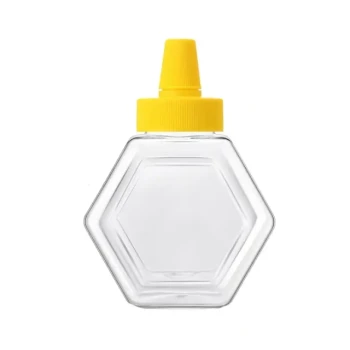
- Hexagonal Squeeze Honey Bottle with No Drip Lid
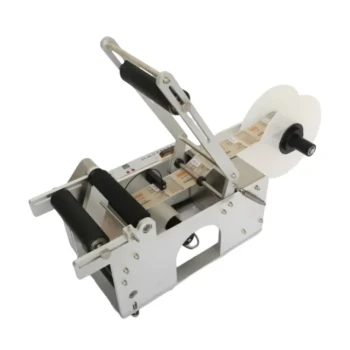
- Semi Automatic Round Bottle Labeling Machine
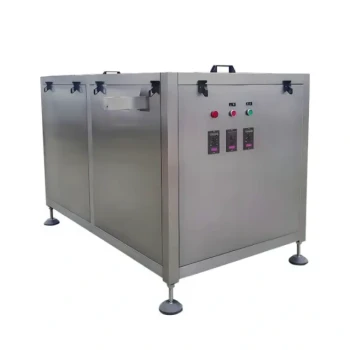
- Fully Automatic High Speed Centrifugal Bottle Unscrambler
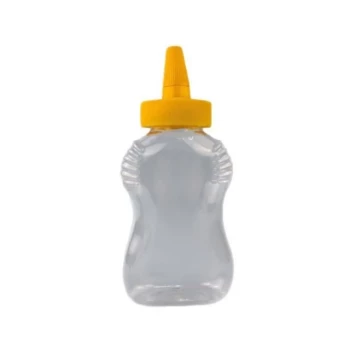
- Ergonomic Squeezable Honey Bottle with Precision Twist Nozzle Cap
- Premium PET Squeeze Honey Bottle with Ergonomic Grip and Rotary Dispenser
People Also Ask
- What are the benefits of squeeze bottles for honey packaging? Unlock Mess-Free Convenience & Control
- How do honey bottles contribute to the preservation of honey products? Secure Quality and Commercial Value
- What are the features of honey bottles? Design for Convenience & Long-Term Preservation
- How should honey bottles be prepared before pouring honey into them? The #1 Rule for Honey Longevity
- What are the features and benefits of using honey bottles for packaging? Optimize Preservation and Consumer Experience