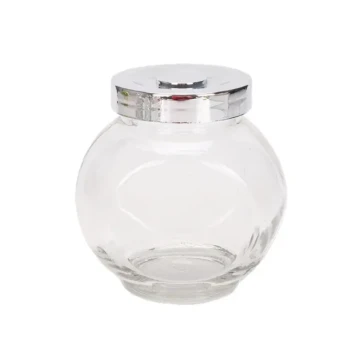
Airtight sample cups are the single most critical factor in preserving the integrity of honey during collection and transport. They are mandatory because honey is chemically unstable when exposed to air; without a hermetic seal, the sample will rapidly absorb atmospheric moisture and lose essential aromatic compounds, rendering laboratory analysis inaccurate.
The Core Reality Honey is highly hygroscopic, meaning it actively pulls moisture from the surrounding air. Failing to use an airtight seal guarantees that the sample's water content will rise, triggering fermentation and altering the biochemical profile before the sample ever reaches the lab.
The Science of Moisture Control
Combating Hygroscopic Action
Honey naturally seeks equilibrium with the humidity of its environment. If the sample cup is not airtight, the honey will absorb water vapor from the air.
This interaction artificially inflates the moisture content readings in the laboratory. It creates a discrepancy between the sample's condition and the actual state of the honey at the apiary.
Preventing Spoilage and Fermentation
The introduction of excess moisture is the primary catalyst for spoilage. When water content rises, it activates dormant yeasts naturally present in the product.
This activation triggers fermentation, which degrades the quality of the honey. An airtight seal locks the moisture content at its original level, inhibiting these enzymatic and microbial reactions.
Preserving Chemical and Sensory Identity
Retaining Volatile Aromatics
A significant portion of honey's value lies in its unique flavor and scent profile. These characteristics are driven by volatile aromatic substances.
Non-airtight containers allow these volatile compounds to escape (evaporate) during transport. This results in a sample that is "flat" or unrepresentative of the original crop's sensory profile.
Blocking External Contamination
An airtight seal acts as a barrier against the external environment. It prevents the intrusion of foreign odors that could taint the honey's flavor profile.
Furthermore, it stops physical impurities and environmental dust from entering the sample. This ensures that the chemical composition analyzed in the lab remains pure.
Ensuring Biological Accuracy
Maintaining Sterile Boundaries
For microbial analysis, the sample must reflect the hive's sanitary status, not the environment of the transport vehicle.
Airtight, often sterile, containers prevent secondary contamination. This ensures that counts of mold, yeast, or bacteria reflect the honey's actual load, rather than external pollutants.
Common Pitfalls to Avoid
While airtight sealing is the primary requirement, you must also consider the material compatibility of the container.
- Material Inertness: The primary reference notes that containers must be made of inert materials. Even if a cup is airtight, if the plastic or seal reacts chemically with the honey, the results will be compromised.
- False Security: An airtight seal does not protect against temperature degradation. While the seal stops moisture, the sample must still be kept cool (often 4–5 °C) to fully inhibit enzymatic activity.
Making the Right Choice for Your Goal
To ensure your sampling protocols yield valid data, align your container choice with your specific analytical focus:
- If your primary focus is Moisture Content & Shelf Life: Prioritize the seal integrity above all else to prevent hygroscopic absorption and subsequent fermentation.
- If your primary focus is Pollen & Geographical Origin: Ensure the container is chemically inert (preferably glass or high-grade plastic) to prevent reaction with trace elements.
- If your primary focus is Sanitary & Microbial Analysis: Use sterile, airtight containers to distinguish between intrinsic microbial loads and secondary environmental contamination.
By rigorously isolating the sample from the atmosphere, you ensure the laboratory data is a true reflection of the apiary's production.
Summary Table:
| Feature | Risk Without Airtight Seal | Benefit of Airtight Sealing |
|---|---|---|
| Moisture Control | Hygroscopic absorption causes fermentation | Maintains original water content and stability |
| Aromatic Profile | Volatile compounds escape, flattening flavor | Preserves unique sensory and floral identity |
| Contamination | Exposure to dust, odors, and pollutants | Ensures a pure sample for accurate lab results |
| Microbial Load | Secondary mold and yeast growth | Reflects actual hive sanitary conditions |
| Chemical Integrity | Artificially inflated moisture readings | Guarantees data reflects the true honey quality |
Secure Your Harvest Quality with HONESTBEE
Precision in honey analysis starts with the right equipment. At HONESTBEE, we specialize in supporting commercial apiaries and distributors with high-performance beekeeping tools and essential consumables designed for industry professionals.
From airtight, inert sampling supplies to advanced honey-filling and hive-making machinery, we provide the comprehensive wholesale solutions you need to maintain the highest product standards. Ensure your laboratory data is a true reflection of your production—partner with the experts who understand the science of honey.
Contact HONESTBEE Today for Wholesale Solutions
References
- Yılmaz Ateş, Semih Yaşar. CHEMICAL INVESTIGATIONS ON HONEY PRODUCED IN BINGOL AND SURROUNDINGS. DOI: 10.31467/uluaricilik.713308
This article is also based on technical information from HonestBee Knowledge Base .
Related Products
- Classic Drum Shaped Glass Honey Jar with Airtight Lid
- JZBZ Type Wide Base Plastic Queen Cell Cups for Base Mounting and Queen Rearing
- Clear Black Plain Polystyrene Queen Bee Grafting Cell Cups No Lug for Bee Queen Cup
- Brown Nicot Queen Cell Cups for Breeding Queen Bees Beekeeping
- JZBZ Push-In Queen Cell Cups for Beekeeping
People Also Ask
- What is the best utensil to store honey? Preserve Purity with the Right Container
- How does the appearance of glass jar packaging affect the sales and perception of honey? Boost Your Premium Brand Value
- Why is a glass jar preferred for packaging honey? Ultimate Protection for Purity & Flavor
- What is the aesthetic appeal of using glass jars for honey? Elevate Your Brand with Premium Packaging
- What are the advantages of glass containers for honey? Elevate Quality and Market Value with Premium Packaging