Beekeepers apply specialized beehive paint primarily to shield wooden equipment from environmental damage and to assist bees in navigation. This practice creates a critical barrier against moisture that causes warping and rot, while simultaneously providing visual cues that prevent bees from entering the wrong colony.
Specialized beehive paint serves as both a protective shield against environmental decay and a navigational tool for the colony. By preventing wood rot and reducing "drifting" between hives, regular painting ensures both equipment longevity and apiary order.
Preserving the Physical Infrastructure
Combating Moisture and Decay
Wooden hives function as a controlled space for managing colonies, detecting diseases, and extracting honey. However, wood is naturally porous and vulnerable to the elements.
Specialized paint protects this equipment from moisture-induced deformation. Without this barrier, the wood is susceptible to cracking and rot, which compromises the hive's structural integrity.
Extending Service Life
Beekeeping equipment represents a significant investment and is essential for protecting the colony during transport and migration.
Regular painting significantly extends the service life of these wooden components. By preventing physical degradation, beekeepers ensure the hive remains sound enough for non-destructive honey extraction and frequent inspections.
Enhancing Colony Organization
Visual Landmarks for Navigation
Beyond physical protection, the exterior appearance of the hive plays a biological role. Bees rely on visual cues to orient themselves within an apiary.
Applying different colors of specialized paint transforms individual hives into distinct visual landmarks. This helps foraging bees accurately locate their specific home among rows of similar boxes.
Reducing Drifting
When hives look identical, bees are more likely to "drift," or mistakenly enter a neighbor's colony.
This behavior can disrupt the organizational order within the apiary. By using color to differentiate hives, beekeepers minimize drifting, ensuring that populations remain stable and distinct.
Critical Considerations for Application
The Cost of Uniformity
While it may be tempting to paint all hives a single, uniform color for aesthetic consistency or ease, this is a functional mistake.
Uniformity eliminates visual landmarks, negating the navigational benefits of the paint. To maximize the effectiveness of the application, variation in color is just as important as the protective quality of the paint itself.
The Necessity of Routine Maintenance
Paint is not a permanent fix; it is a sacrificial layer that wears down over time.
Failing to regularly re-apply paint exposes the wood to moisture intrusion once the coating degrades. Delayed maintenance can lead to irreversible warping, rendering the specialized equipment unfit for managing the colony or surviving transport.
Optimizing Your Hive Management Strategy
To ensure robust equipment and organized colonies, tailor your painting strategy to these key goals:
- If your primary focus is Equipment Longevity: Prioritize a consistent schedule of repainting to seal wood against moisture, preventing rot and deformation during transport.
- If your primary focus is Apiary Order: Utilize a variety of distinct colors to create strong visual landmarks that reduce drifting and confusion between colonies.
Ultimately, a well-maintained coat of paint protects your financial investment in woodenware while respecting the biological needs of your bees.
Summary Table:
| Benefit Category | Primary Advantage | Impact on Apiary Operations |
|---|---|---|
| Equipment Longevity | Moisture Barrier | Prevents wood warping, rot, and structural decay |
| Colony Management | Visual Landmarks | Helps foraging bees navigate to the correct colony |
| Biological Order | Drift Reduction | Minimizes bees entering wrong hives, stabilizing populations |
| Maintenance | Service Life Extension | Protects financial investment in woodenware and machinery |
Maximize Your Apiary Productivity with HONESTBEE
At HONESTBEE, we understand that high-quality equipment is the foundation of a successful commercial beekeeping operation. Whether you are a large-scale apiary or a regional distributor, we provide the comprehensive wholesale solutions you need to thrive.
Our extensive portfolio includes everything from durable hive-making and honey-filling machinery to essential industry consumables and premium beekeeping tools. By choosing HONESTBEE, you gain a partner dedicated to extending the service life of your infrastructure and optimizing your honey production efficiency.
Ready to upgrade your equipment or stock your distribution center? Contact us today to explore our full catalog and wholesale pricing!
References
- Adil Koray Yıldız, Servet Arslan. Yozgat İli Arıcılık İşletmelerinin Teknik ve Sosyo-Ekonomik Durumunun İncelenmesi. DOI: 10.24925/turjaf.v10i5.846-852.4931
This article is also based on technical information from HonestBee Knowledge Base .
Related Products
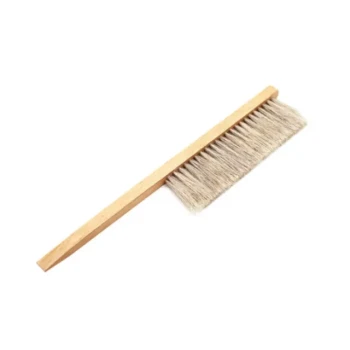
- Wooden Bee Brush with Double-Row Horsehair Bristles
- Wooden Bee Hive Frames for Beekeeping and Wholesale
- Wholesales Dadant Size Wooden Bee Hives for Beekeeping
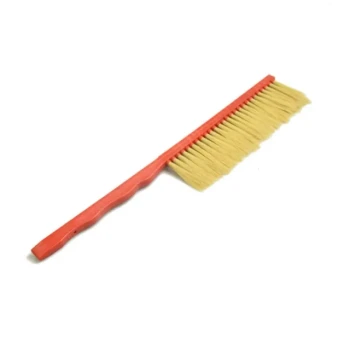
- Plastic Handle Single Row Artificial Fiber Bee Brush
- Australian Langstroth Beehive Boxes for Beekeeping Wholesales
People Also Ask
- Why is a bee brush necessary when extracting honeybee hive frames that contain larvae? Protect Your Brood and Colony
- What is the correct way to use a bee brush and what actions should be avoided? Master Gentle Hive Management
- What are the specific functions of the bee brush and the sealed sampling bottle? Optimize Your Parasite Sampling.
- What is a bee brush and what is it used for? Master Precision Bee Removal with Gentle Sweeping Techniques
- What is a bee brush used for in beekeeping? Essential Tool for Safe Hive Inspections & Honey Harvesting