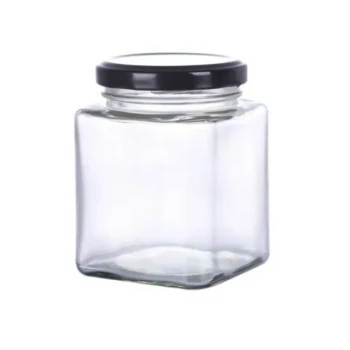
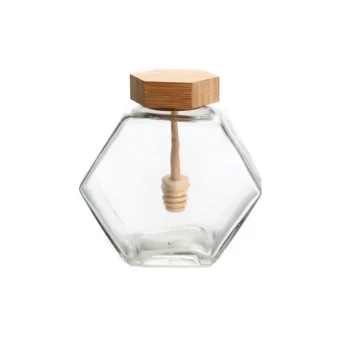
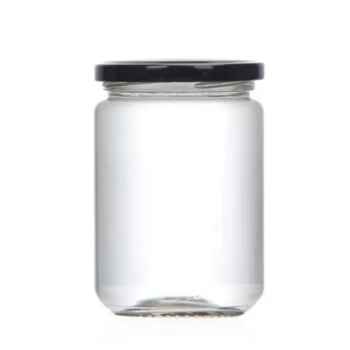
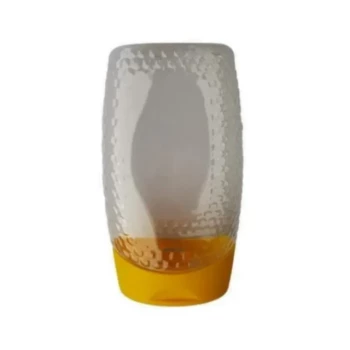
The selection of storage vessels for honey is not merely about containment; it is a critical variable in experimental design. To ensure valid results, extracted honey samples must be stored in tight-sealing glass jars primarily to ensure chemical inertness and prevent the absorption of atmospheric moisture.
Core Takeaway The validity of honey analysis—specifically regarding antioxidant activity and enzymatic properties—relies on maintaining the sample's original physicochemical state. Glass prevents chemical reactions between the sample and the container, while an airtight seal counteracts honey's natural tendency to absorb water and lose volatile aromatics.
Preserving Chemical Integrity
The Necessity of Chemical Inertness
Glass is the preferred material for experimental storage because it is chemically inert. Unlike certain plastics or metals, glass will not react with the natural acids or enzymes present in the honey. This ensures that the chemical composition of the sample remains unaltered by the vessel itself.
Eliminating Leaching Risks
Using glass eliminates the risk of chemical leaching, a common issue with plastic containers where plasticizers can migrate into the food matrix. By removing this variable, researchers ensure that the "sample" analyzed is strictly honey, with no external contaminants interfering with the data.
Managing Hygroscopy and Stability
Counteracting Hygroscopic Nature
Honey is highly hygroscopic, meaning it naturally absorbs moisture from the surrounding environment. Due to honey's high osmotic pressure, an airtight seal is strictly necessary to block the entry of humid air.
Controlling Moisture Content
Maintaining specific moisture levels is vital for stability; honey generally resists fermentation only when water content remains below 17.1%. An inadequate seal allows moisture ingress, which dilutes the honey and creates an environment prone to fermentation and spoilage.
Retaining Volatile Compounds
Honey contains delicate volatile aromatic compounds that define its sensory profile and chemical fingerprint. An airtight seal prevents these compounds from evaporating, ensuring that the sample retains the specific characteristics of its floral source and production site.
Ensuring Analytical Accuracy
Protecting Enzyme and pH Levels
The storage method directly impacts the stability of the honey's pH level and enzyme activity. If the honey absorbs moisture or oxidizes due to air exposure, these parameters shift, leading to data that does not reflect the honey's original state.
Validating Antioxidant Assays
Precise storage is a prerequisite for accurate antioxidant analyses, such as DPPH and ABTS assays. These tests measure the honey's capacity to neutralize free radicals. If the sample has degraded due to improper storage, the assay results will be skewed, rendering the experiment invalid.
Common Pitfalls to Avoid
The Risk of Photochemical Reactions
While glass is chemically superior, standard clear glass does not block light. Light exposure can induce photochemical reactions that inactivate light-sensitive enzymes and degrade antioxidant components.
Plastic vs. Glass Durability
While plastic bottles are sometimes used for transport, they are less resistant to extreme temperatures and scratching than glass. Scratches can harbor impurities, and temperature sensitivity can compromise the physical protection of the sample.
Making the Right Choice for Your Goal
To ensure the reproducibility of your research, select your storage based on the specific parameters you intend to measure.
- If your primary focus is Chemical Analysis (DPPH/ABTS): Use chemically inert glass to prevent reaction with the container and ensure the exact preservation of antioxidant capacity.
- If your primary focus is Long-Term Preservation: Ensure the seal is absolutely airtight to prevent moisture uptake that leads to fermentation or crystallization.
- If your primary focus is Enzyme Stability: Consider using dark or amber glass to combine chemical inertness with protection from light-induced degradation.
The integrity of your data begins with the integrity of your storage vessel.
Summary Table:
| Feature | Benefit of Glass Storage | Impact on Research |
|---|---|---|
| Chemical Inertness | No leaching of plasticizers or metals | Ensures sample purity and chemical integrity |
| Airtight Sealing | Blocks atmospheric moisture (hygroscopy) | Prevents fermentation and moisture-related spoilage |
| Volatile Retention | Traps aromatic compounds | Preserves the honey's unique floral fingerprint |
| Enzyme Stability | Maintains pH levels and enzyme health | Enables accurate antioxidant and enzymatic assays |
| Light Protection | Use of amber glass prevents UV damage | Stops photochemical degradation of sensitive compounds |
Elevate Your Apiary Operations with HONESTBEE
At HONESTBEE, we understand that the integrity of your honey products—from the lab to the retail shelf—depends on the quality of your equipment. As a leading partner for commercial apiaries and distributors, we provide a comprehensive wholesale range designed for excellence.
Whether you need precision honey-filling machines to ensure airtight packaging, specialized hive-making machinery, or high-quality beekeeping tools and consumables, HONESTBEE delivers the hardware you need to scale your business. We also offer honey-themed cultural merchandise to help you expand your brand’s reach.
Ready to optimize your production and preserve your honey's value? Contact us today to explore our wholesale solutions!
References
- Indu Kumari, Rajesh Kumar. Evaluation of antioxidant and antibacterial potential of honey produced from stimulative diet fed bee colonies. DOI: 10.1007/s43621-023-00135-9
This article is also based on technical information from HonestBee Knowledge Base .
Related Products
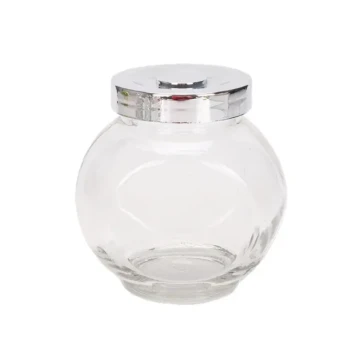
- Classic Drum Shaped Glass Honey Jar with Airtight Lid
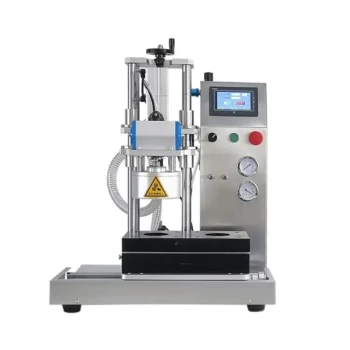
- Semi-Automatic Vacuum Capping Machine with Pneumatic Control for Glass Jars
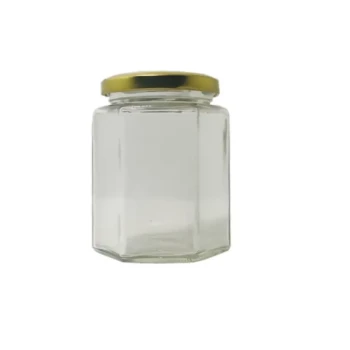
- Hexagonal Glass Honey Jars with Metal Lug Caps Elegant Versatile Packaging
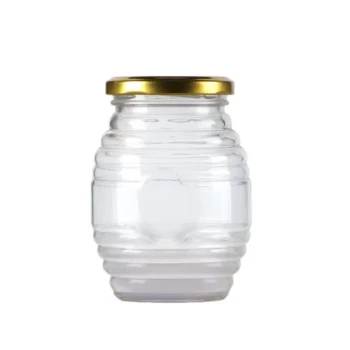
- Classic Glass Honey Jar with Metal Lug Cap for Beehive Storage
- Modern Square Glass Honey Jar with Twist Off Lid
People Also Ask
- What is the best utensil to store honey? Preserve Purity with the Right Container
- How does the appearance of glass jar packaging affect the sales and perception of honey? Boost Your Premium Brand Value
- Why is a glass jar preferred for packaging honey? Ultimate Protection for Purity & Flavor
- What is the aesthetic appeal of using glass jars for honey? Elevate Your Brand with Premium Packaging
- What are the advantages of glass containers for honey? Elevate Quality and Market Value with Premium Packaging