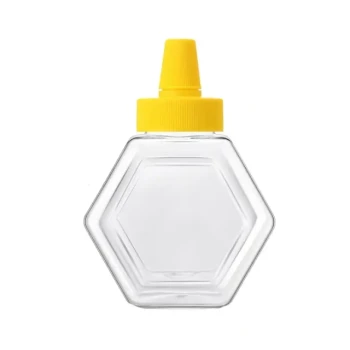
Sterilized glass bottles are the mandatory standard for honey collection because they provide a chemically inert and biologically sterile environment that preserves the sample's original state. This specific packaging prevents the acidic honey from leaching materials from the container, blocks moisture absorption that leads to spoilage, and eliminates external bacteria that would compromise analytical results.
The accuracy of any physicochemical or microbial analysis relies entirely on the storage medium; sterilized glass is the only material that effectively neutralizes the risks posed by honey’s acidity, hygroscopic nature, and susceptibility to fermentation.
Preserving Chemical Integrity
Combating Acidity and Leaching
Honey is naturally acidic. This acidity can cause reactive containers, such as certain plastics or metals, to degrade over time, leading to the migration of packaging materials into the sample.
Glass is chemically inert. It prevents this migration, ensuring that the sample retains its original chemical composition without the introduction of foreign impurities or trace metals.
Preventing Trace Contamination
For researchers analyzing the mineral profile or classification of honey, purity is paramount. Even microscopic plastic or metal leaching can alter physicochemical indicators.
Using high-cleanliness glass ensures that the original mineral profile remains uncontaminated, allowing for reliable chemical fingerprinting and pollen identification.
Controlling Moisture and Microbiology
The Hygroscopic Challenge
Honey is hygroscopic, meaning it actively attracts and absorbs moisture from the surrounding air. If a container allows moisture ingress, the water content of the honey rises, destabilizing the sample.
Glass bottles offer superior sealing performance compared to other materials. This barrier effectively blocks external moisture, preventing the physical changes that render a sample useless for analysis.
Eliminating Secondary Contamination
To accurately measure microbial loads—such as total colony counts, yeast, or molds—the container itself must not introduce new organisms.
Sterilized sampling bottles prevent "secondary contamination." This ensures that any biological activity detected during analysis reflects the sanitary status of the apiary, not bacteria introduced by a non-sterile jar.
Stopping Fermentation
The combination of moisture absorption and microbial contamination is the primary cause of fermentation. By excluding external moisture and eliminating surface bacteria via sterilization, glass bottles stabilize the honey against spoilage before it reaches the lab.
Protecting Sensitive Bioactive Compounds
Shielding Enzymes
Honey contains complex biochemical components, including heat-sensitive enzymes like catalase and amylase. These are critical indicators of honey quality but are easily degraded by environmental factors.
The superior isolation properties of glass protect these enzymes from degrading in room-temperature environments, ensuring that biochemical indicator testing remains accurate.
Blocking Ultraviolet Light
While clear glass is useful, sterilized amber glass is preferred for samples requiring biological activity analysis.
Amber glass blocks ultraviolet (UV) radiation. This shielding prevents the degradation of light-sensitive active substances, such as phenolic and flavonoid compounds, preserving the honey's antioxidant properties.
Understanding the Trade-offs
Weight and Fragility
While glass provides superior chemical and biological protection, it introduces logistical challenges. Glass is significantly heavier than plastic, increasing transport costs, and is fragile, requiring careful handling to prevent breakage during transit from the apiary to the laboratory.
Cost vs. Integrity
Sterilized glass is generally more expensive than non-sterile or plastic alternatives. However, this cost is a necessary investment, as the use of inferior containers renders subsequent, expensive laboratory analysis unreliable or invalid.
Making the Right Choice for Your Goal
To ensure your data is valid, match your specific analytical goal to the containment principles below:
- If your primary focus is Microbial Safety: Rely on the sterilization aspect to ensure colony counts reflect the honey, not the container.
- If your primary focus is Chemical/Pollen Profiling: Rely on the chemical inertness of glass to prevent acidity-induced leaching and trace metal contamination.
- If your primary focus is Bioactive Research: Use amber glass to combine inertness with UV protection, safeguarding light-sensitive phenols and flavonoids.
Use sterilized glass to eliminate variables, ensuring that the data you extract is as pure as the honey you collected.
Summary Table:
| Feature | Glass Advantage | Impact on Honey Quality |
|---|---|---|
| Chemical Inertness | No leaching or reaction with acids | Preserves original chemical & mineral profile |
| Sterilization | Free of bacteria and fungal spores | Ensures accurate microbial and yeast analysis |
| Moisture Barrier | Superior sealing & non-porous surface | Prevents hygroscopic absorption and fermentation |
| UV Protection | Available in amber glass versions | Shields bioactive enzymes and phenolic compounds |
| Material Integrity | Resistant to degradation | Eliminates secondary contamination from packaging |
Elevate Your Honey Quality Standards with HONESTBEE
At HONESTBEE, we understand that the integrity of your honey begins long before it reaches the lab. As a premier partner for commercial apiaries and distributors, we provide more than just supplies—we provide the tools for global competitiveness.
Our comprehensive wholesale portfolio includes:
- High-Precision Machinery: From hive-making to professional honey-filling and processing lines.
- Premium Equipment: A full spectrum of beekeeping tools and essential industry consumables.
- Cultural Merchandise: Honey-themed products to expand your brand's market reach.
Whether you are scaling your extraction facility or sourcing medical-grade sampling tools, our expertise ensures your honey maintains its premium value from hive to bottle. Contact HONESTBEE today to discover how our tailored equipment solutions can optimize your production and protect your product's purity.
References
- Yaşar Erdoğan, Metin Turan. Physicochemical Properties of Honey Produced at Different Altitudes. DOI: 10.24925/turjaf.v10i4.710-718.4967
This article is also based on technical information from HonestBee Knowledge Base .
Related Products
People Also Ask
- What are the benefits of squeeze bottles for honey packaging? Unlock Mess-Free Convenience & Control
- How do honey bottles contribute to the preservation of honey products? Secure Quality and Commercial Value
- What are the features of honey bottles? Design for Convenience & Long-Term Preservation
- How should honey bottles be prepared before pouring honey into them? The #1 Rule for Honey Longevity
- What are the features and benefits of using honey bottles for packaging? Optimize Preservation and Consumer Experience