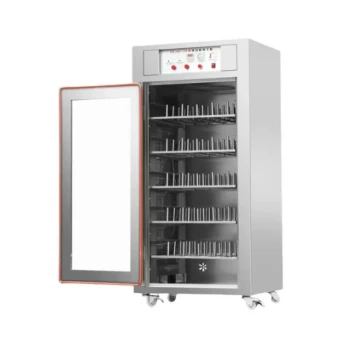
Sterilized professional sampling bottles are the absolute prerequisite for ensuring the scientific validity of honey analysis. They provide a hermetically sealed, inert environment that prevents secondary contamination from external microorganisms and residual chemicals. Without this barrier, the sample's integrity is compromised immediately, leading to inaccurate data regarding pH levels, enzyme activity, and microbial indicators.
The primary function of these specialized containers is to isolate the honey sample from the environment, ensuring that laboratory test results reflect the true sanitary and chemical status of the apiary rather than artifacts introduced during transport.
Preserving Biological and Microbial Integrity
Preventing Secondary Contamination
The most immediate risk to a honey sample is the introduction of external microorganisms during collection. Sterilized bottles create a verified sterile boundary that prevents bacteria, yeast, or molds from the environment from entering the sample.
Avoiding Premature Fermentation
Contamination by osmophilic yeasts or other microbes can trigger fermentation before the sample reaches the laboratory. This alters the honey's composition rapidly, rendering tests for original quality and shelf-life predictions useless.
Ensuring Accurate Microbial Counts
To determine the sanitary status of an apiary, laboratories must measure total colony counts, molds, and yeast levels. Using non-sterile containers introduces "noise" to this data, making it impossible to distinguish between the honey's native microbiome and external contaminants.
Protecting Enzymatic Activity
Honey contains sensitive enzymes, such as diastase, which are key indicators of freshness and heat exposure. Bacterial contamination can degrade these enzymes, leading to false readings regarding the honey's processing history and biological activity.
Maintaining Chemical Stability
Preventing Chemical Reactions
Honey is acidic and contains complex organic compounds. Sterilized professional bottles, particularly those made of High-Density Polyethylene (HDPE), are chemically inert. They prevent the container material from reacting with the organic acids and phenolics in the honey, which would otherwise skew chemical profiles.
Stabilizing Volatile Parameters
Accurate measurement of Hydroxymethylfurfural (HMF) and pH requires a sample that has not been chemically altered. Sterilized containers ensure that no exogenous impurities are introduced that could catalyze chemical changes or shift the pH balance during transport.
Preserving Moisture Content
Professional sampling bottles offer superior sealing properties compared to standard containers. This prevents the honey from absorbing atmospheric moisture (hygroscopicity), which is critical because even a slight rise in water content can destabilize the honey and encourage fermentation.
Common Pitfalls to Avoid
Material Mismatch
While sterilization is key, the material of the bottle matters equally. Using clear sterile containers for light-sensitive samples can result in the degradation of photosensitive compounds like vitamins and flavonoids due to UV exposure.
The "Sterile" Illusion
A bottle is only sterile until it is opened. If the sampling tool (spatula or tube) is not equally sterile, or if the bottle is left open to the air for an extended period, the benefit of the sterilized bottle is negated.
Seal Integrity Failures
Even a sterile bottle fails if the seal is imperfect. Professional bottles are designed to withstand temperature and humidity fluctuations; substituting them with generic sterile jars may lead to seal failure and moisture ingress during transport.
Making the Right Choice for Your Goal
Select your sampling equipment based on the specific analytical targets of your project:
- If your primary focus is Standard Chemical Profiling: Prioritize sterilized HDPE bottles to ensure chemical inertness and prevent reactions with organic acids.
- If your primary focus is Bio-active Compound Analysis: Use sterilized amber glass containers to block UV radiation and prevent the degradation of phenolic and flavonoid compounds.
- If your primary focus is Microbial Safety Testing: Ensure the bottle comes with a certification of sterility to guarantee that colony counts reflect only the apiary's conditions.
Data integrity begins at the moment of collection, not at the laboratory door.
Summary Table:
| Feature | Importance in Honey Sampling | Impact of Non-Professional Containers |
|---|---|---|
| Sterility | Prevents secondary contamination and fermentation. | False microbial counts and degraded enzymes. |
| Chemical Inertness | Prevents reactions between honey acids and container. | Skewed chemical profiles (pH, HMF levels). |
| Hermetic Seal | Blocks moisture ingress (hygroscopicity). | Increased water content and early fermentation. |
| UV Protection | Protects vitamins, phenolics, and flavonoids. | Degradation of light-sensitive bio-compounds. |
| Material Quality | High-Density Polyethylene (HDPE) or amber glass. | Potential chemical leaching or container failure. |
Secure Your Honey Quality with HONESTBEE Professional Solutions
At HONESTBEE, we understand that data integrity is the foundation of a successful commercial apiary or distribution business. As a premier provider of beekeeping machinery and essential industry consumables, we offer high-grade, sterilized sampling solutions designed to meet the rigorous demands of laboratory analysis.
Whether you need specialized honey-filling machines, professional sampling hardware, or a comprehensive supply of wholesale beekeeping tools, we are here to support your growth. Our portfolio is tailored for large-scale operations and distributors who value precision and reliability.
Ready to elevate your honey production standards? Contact us today to explore our full equipment catalog
References
- Samoel Nicolau Hanel, Douglas André Roesler. Physicalchemical Characteristics of Honey from Apicultural Production in the Paraná River Islands in Guaíra-PR/ Brazil. DOI: 10.22161/ijaers.6.6.29
This article is also based on technical information from HonestBee Knowledge Base .
Related Products
- Professional Plastic Honey Dipper for Easy Honey Drizzling
- HONESTBEE Professional Cabinet Bottle Dryer
People Also Ask
- What is a honey dipper and what is it used for? A Guide to Mess-Free Drizzling
- What is the proper method for cleaning a honey dipper? Maintain Pure Flavor with These Easy Pro Tips
- What is a honey taking spoon called? Discover the Tool for a Perfect, Mess-Free Drizzle
- What is a honey dipper? Master the Art of the Perfect Drizzle with This Essential Tool
- How do you clean and store a honey dipper? Simple Steps for Long-Lasting Performance