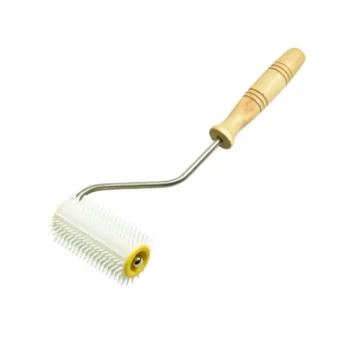
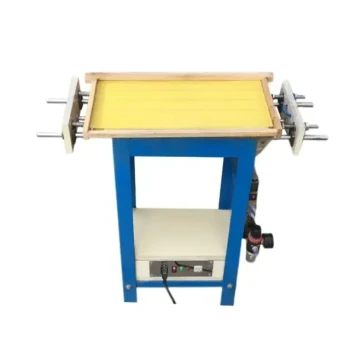
Spray-type medication application equipment outperforms traditional feeding methods by utilizing pressurized delivery to create a comprehensive treatment environment within the hive. Instead of relying on passive ingestion, this technique ensures essential oil solutions or disinfectants coat both sides of every frame and contact all adult bees, resulting in a significantly more rapid and uniform distribution of treatment.
By leveraging the natural grooming behaviors of the colony and physically coating hive surfaces, spray application achieves a dual function: immediate therapeutic treatment for the bees and broad-scale environmental sanitization of the hive infrastructure.
Enhancing Biological Uptake and Efficacy
Triggering Natural Grooming Behaviors
Unlike feeding methods that rely on the bees' appetite, spray application exploits the colony's natural instincts.
When medicine is sprayed directly onto the bees and frames, it stimulates self-licking and cleaning behaviors. This prompts the bees to rapidly ingest active ingredients, such as thyme essential oil or nanoparticle ozone, as they clean themselves and each other.
Rapid Active Ingredient Absorption
Spray application creates a direct pathway for treatment.
This method leads to a faster reduction of the internal spore load within the colony compared to feeding. Because the application is immediate and physical, the therapeutic effects accelerate through direct contact.
Comprehensive Environmental Sanitation
Targeting Dormant Pathogens
Traditional feeding treats the bee, but spray application treats the bee and its home.
Pressurized spraying physically disinfects critical hive structures, including larvae cells and honey caps. This allows the medication to reach areas where Nosema spores or other pathogens may be dormant, effectively reducing the risk of re-infection.
Surface and Equipment Decontamination
In a large-scale apiary, cross-contamination is a significant risk.
Spray equipment coats the surfaces of beekeeping tools, frames, and foundations. This creates a barrier against pathogen transmission and addresses residual contamination inside the hive, offering a level of hygiene that syrup feeding cannot provide.
Understanding the Operational Constraints
Chemical Stability Requirements
Not all treatments are suitable for slow-release feeding methods.
Certain active ingredients, such as chlorine-based disinfectants, have a short half-life and degrade quickly. Spraying is chemically necessary for these substances, ensuring they are absorbed and effective before they break down.
Application Intensity
While feeding can be passive, spray application requires thorough access.
To achieve the technical advantages listed—specifically coating both sides of frames—the operator must ensure the pressurized delivery reaches deep into the hive structure. This moves the operation from a passive management style to an active, contact-based intervention.
Making the Right Choice for Your Apiary
To determine if spray application aligns with your management goals, consider the following technical priorities:
- If your primary focus is Rapid Disease Control: Use spray equipment to trigger grooming behaviors for the fastest possible ingestion of active ingredients.
- If your primary focus is Environmental Hygiene: Choose spray application to physically disinfect frames, tools, and foundations, eliminating dormant spores that feeding misses.
Spray application transforms medication from a passive dietary supplement into an active, sanitizing decontamination event.
Summary Table:
| Feature | Spray-Type Application | Traditional Feeding Methods |
|---|---|---|
| Action Mechanism | Active contact & physical coating | Passive ingestion (appetite-based) |
| Coverage | Bees, frames, cells, and hive surfaces | Digestive system of the bee only |
| Biological Trigger | Stimulates natural grooming behaviors | Relies on dietary intake |
| Pathogen Target | Active mites/spores & dormant surface pathogens | Internal parasites/pathogens only |
| Chemical Suitability | Ideal for unstable/fast-degrading agents | Limited to stable, slow-release formulas |
| Speed of Efficacy | Rapid reduction of internal spore load | Gradual absorption over time |
Maximize Your Colony Productivity with HONESTBEE
Transitioning from passive feeding to active spray decontamination is a game-changer for commercial apiary efficiency. At HONESTBEE, we specialize in supporting commercial apiaries and distributors with high-performance beekeeping machinery and equipment designed for large-scale success.
Whether you need advanced honey-filling machines, specialized hive-making hardware, or professional medication application tools, our comprehensive wholesale offering ensures your operation stays ahead of disease and contamination.
Ready to upgrade your apiary’s health and infrastructure? Contact our expert team today to discover how our tailored equipment solutions can scale your business and protect your investment.
References
- Asli Özkırım, Billur Küçüközmen. Application of Herbal Essential Oil Extract Mixture for Honey Bees (<i>Apis mellifera</i> L.) Against <i>Nosema ceranae</i> and <i>Nosema apis</i>. DOI: 10.2478/jas-2021-0010
This article is also based on technical information from HonestBee Knowledge Base .
Related Products
- HONESTBEE Professional Entrance Bee Feeder Hive Nutrition Solution
- HONESTBEE Entrance Bee Feeder Efficient Hive Front Liquid Feeding Solution for Beekeeping
- Professional In-Hive Bee Feeder HONESTBEE Frame for Beekeeping
- Classic Boardman Entrance Bee Feeder Hive Front Feeding Solution
- Jenter Queen Rearing Kit Complete Set for Bee Breeding
People Also Ask
- What measures should be taken to prevent robbing when using an internal hive top feeder? Pro Bee Defense Tips
- What is an entrance feeder? Pros and Cons for Your Beehive
- What is a bee entrance feeder and what are its drawbacks? Essential Guide to Hive Security and Feeding Efficiency
- How to make an entrance feeder for bees? A DIY Guide for Safe & Effective Feeding
- How do you make an entrance feeder for bees? A Guide to Safe & Effective Hive Feeding