The Anxiety of a Single Fallen Hair
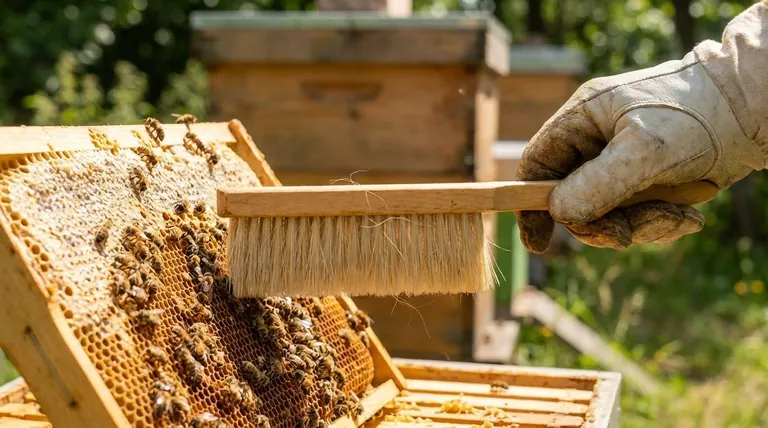
A beekeeper pulls a frame, heavy with honey and pulsing with life. While gently sweeping bees from the comb, they notice it: a single, dark horsehair lying stark against the white wax.
The immediate, instinctive thought is one of failure. Is my new tool defective?
This small moment of anxiety reveals a deeper truth about the tools we use. We are conditioned to see imperfection—a stray hair, a minor blemish—as a sign of poor quality. But in some cases, that "flaw" is the unavoidable signature of a deliberate, superior design choice. The real question isn't whether the brush is broken, but whether we understand the trade-off we've accepted.
The Physics and Biology of a Brush Stroke
A bee brush is a simple tool designed for a complex task: persuading thousands of delicate, defensive insects to move without causing panic or harm. Its performance is a direct result of its material science.
Why Natural Fibers Shed
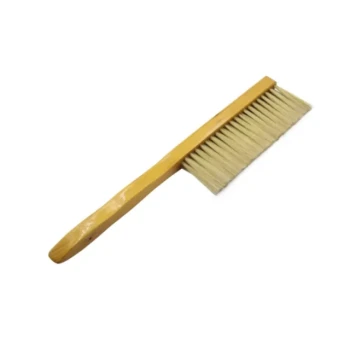
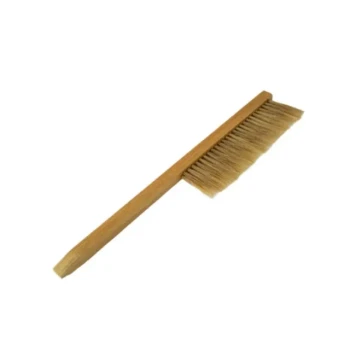
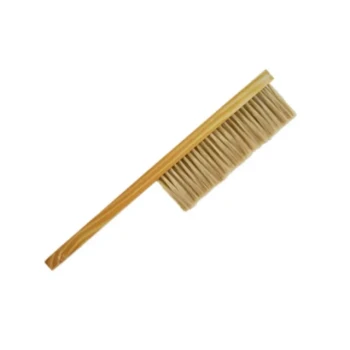
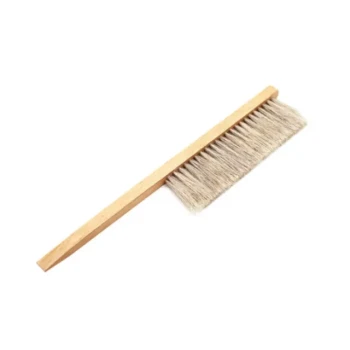
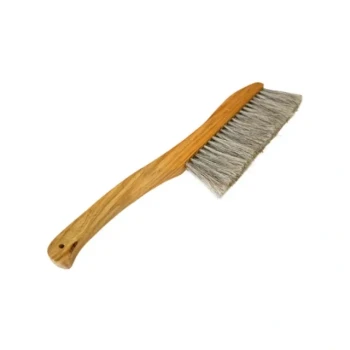
Horsehair is the traditional gold standard for a reason. As a natural animal fiber, it possesses a unique softness and flexibility that synthetic materials struggle to replicate.
However, its organic nature is also the source of its tendency to shed. During manufacturing, long strands of horsehair are bundled and secured into a wooden handle. Not every single hair can be anchored with absolute permanence. This is a fundamental characteristic of the material itself, not a failure of construction.
The "Break-in" Period: A Necessary Imperfection
Most shedding occurs when a brush is brand new. Loose hairs from the manufacturing and shipping process are dislodged during the first few uses.
Think of it not as the tool degrading, but as it settles. This initial shedding is a normal break-in period. Once these unseated hairs are gone, the rate of loss should slow dramatically.
The Fundamental Trade-off: Gentleness vs. Durability
Choosing a bee brush is an exercise in engineering philosophy. There is no single "best" material, only the best material for a specific priority. Your choice pits the comfort of your bees directly against the longevity of your tool.
The Case for Horsehair: The Cost of Gentleness
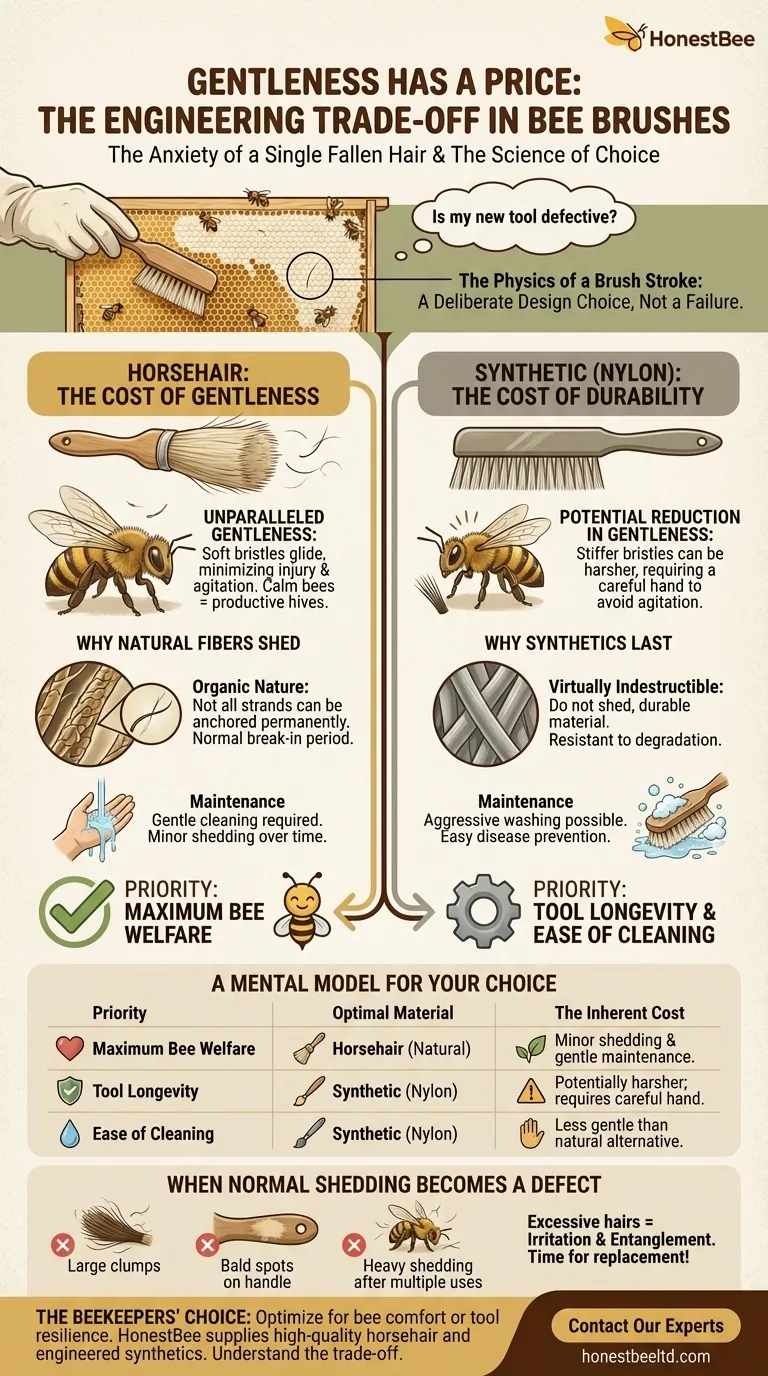
The primary virtue of horsehair is its unparalleled gentleness. The soft, flexible bristles glide over a bee's delicate wings and body, minimizing injury and agitation. A calm bee is a productive bee, and a calm hive makes for a safer, more efficient inspection.
The price for this gentleness is durability. Horsehair brushes shed minorly over their lifespan and require more careful cleaning—a gentle rinse with cool water is best—to preserve their integrity.
The Case for Synthetics: The Cost of Durability
Synthetic nylon brushes are the answer for beekeepers who prioritize tool longevity and ease of maintenance. They are virtually indestructible, do not shed, and can be washed aggressively to prevent the spread of disease between hives.
The price for this durability is a potential reduction in gentleness. While high-quality synthetic bristles can be soft, they are often stiffer than horsehair. This can lead to more agitated bees if the beekeeper isn't careful, turning a calm inspection into a defensive encounter.
A Mental Model for Your Choice
The decision is not about good versus bad, but about which problem you are solving.
| Priority | Optimal Material | The Inherent Cost |
|---|---|---|
| Maximum Bee Welfare | Horsehair | Minor shedding & requires gentle maintenance. |
| Tool Longevity | Synthetic (Nylon) | Potentially harsher on bees; requires a careful hand. |
| Ease of Cleaning | Synthetic (Nylon) | Less gentle than the natural alternative. |
At HONESTBEE, we recognize that professional apiaries can't afford to compromise. We supply high-quality horsehair brushes where shedding is minimal and predictable, alongside synthetic options engineered for the softest possible touch.
When Normal Shedding Becomes a Defect
While minor shedding is normal, it's critical to recognize the signs of a genuinely low-quality tool. If your brush:
- Loses hair in large clumps
- Develops bald spots on the handle
- Continues to shed heavily after several uses
...it is time for a replacement. Excessive loose hairs left in the hive become a foreign object, irritating the colony and risking entanglement in the comb. A quality tool performs its function without creating new problems.
The Beekeepers' Choice
Ultimately, the tool in your hand is an extension of your beekeeping philosophy. Do you optimize for the comfort of your bees, accepting the small, natural imperfections of your tools? Or do you optimize for the resilience of your equipment, accepting the need for a more careful hand?
For commercial apiaries and distributors, this choice has bottom-line implications. Calmer hives are safer and more productive. Durable tools reduce replacement costs and operational downtime. Understanding the subtle engineering trade-offs in your equipment is what elevates your operation from good to great.
To equip your apiary with tools designed for performance and bee health, Contact Our Experts.
Visual Guide
Related Products
- Wooden Bee Brush with Triple Row Artificial Fiber for Beekeeping
- Classic Wooden Bee Brush with Double-Row Boar Bristles
- Double Row Artificial Fiber Bee Brush for Beekeeping
- Wooden Bee Brush with Double-Row Horsehair Bristles
- Premium Triple-Row Horsehair Bee Brush
Related Articles
- Your Bee Brush Is Slowing You Down. Here’s What Commercial Apiaries Use Instead.
- The Silent Profit Killer: Why a Simple Bee Brush Can Make or Break Your Harvest
- The Gentle Command: Why the Bee Brush is a Masterclass in Hive Psychology
- A Beekeeper's Oath: The Biosecurity and Ethics Engineered into a Bee Brush
- How to Master Bee Brush Techniques for Stress-Free Hive Inspections