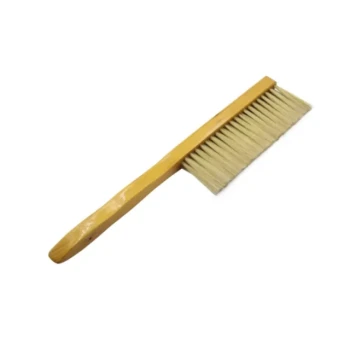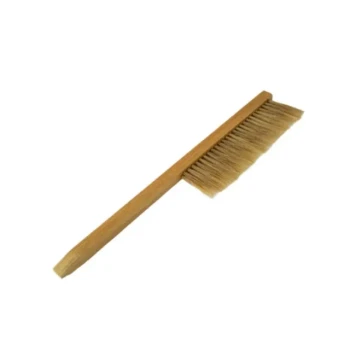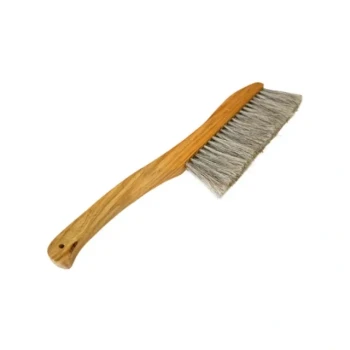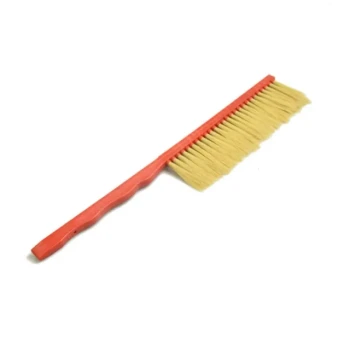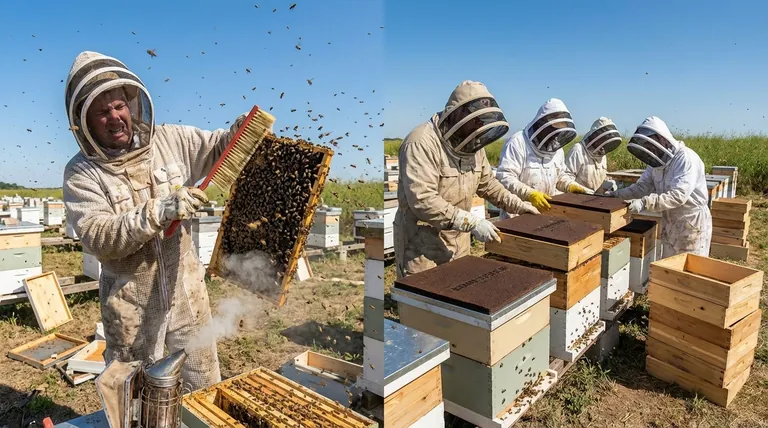
It’s the day you’ve been working toward all season: harvest day. But instead of a smooth, efficient operation, the air is thick with the buzz of agitated bees. Your team is moving slowly, trying to avoid stings, and every frame pulled from a super feels like a battle. You’re using bee brushes, just like you were taught, but the more frames you clear, the worse the chaos gets. By midday, your crew is exhausted, the yard is in an uproar, and you’re behind schedule. If this scene feels painfully familiar, you’re not alone. But the problem isn’t your team’s technique—it’s their tool.
The High Cost of "Doing It By the Book"
For commercial beekeepers, efficiency is everything. Yet, many apiaries find themselves trapped in a frustrating cycle during harvest. They face a seemingly impossible trade-off: work fast and create chaos, or work calmly and fall hopelessly behind.
To cope, many operators resort to common but ineffective tactics:
- Using more smoke: This can calm bees temporarily, but over-smoking can taint the honey and doesn't solve the core issue of physical agitation.
- Working faster: This is counter-productive. Hurried, jerky movements are perceived as a threat by bees, increasing defensive behavior and the release of alarm pheromones.
- Accepting the chaos: Many simply write off bee loss, high sting counts, and a stressful environment as "the cost of doing business."
This isn't just an unpleasant experience; it has direct business consequences. Time spent fighting bees is billable labor time wasted. Stressed colonies are slower to recover post-harvest, potentially impacting future productivity. And a chaotic, high-sting environment leads to poor worker morale and safety risks. You're losing time, honey, and potentially good employees.
The Root of the Problem: A Mismatch of Scale
The core issue isn't that a bee brush is a bad tool. The issue is that it's the wrong tool for a commercial-scale job.
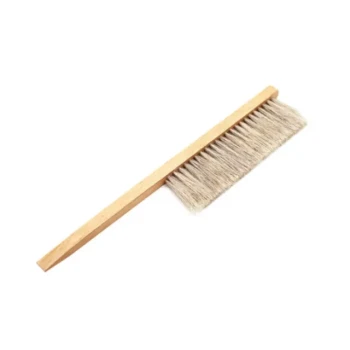
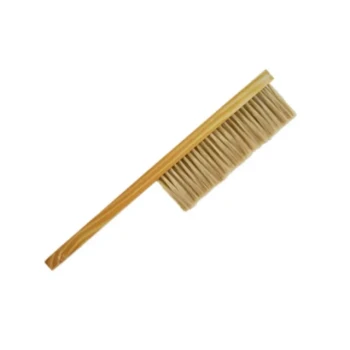
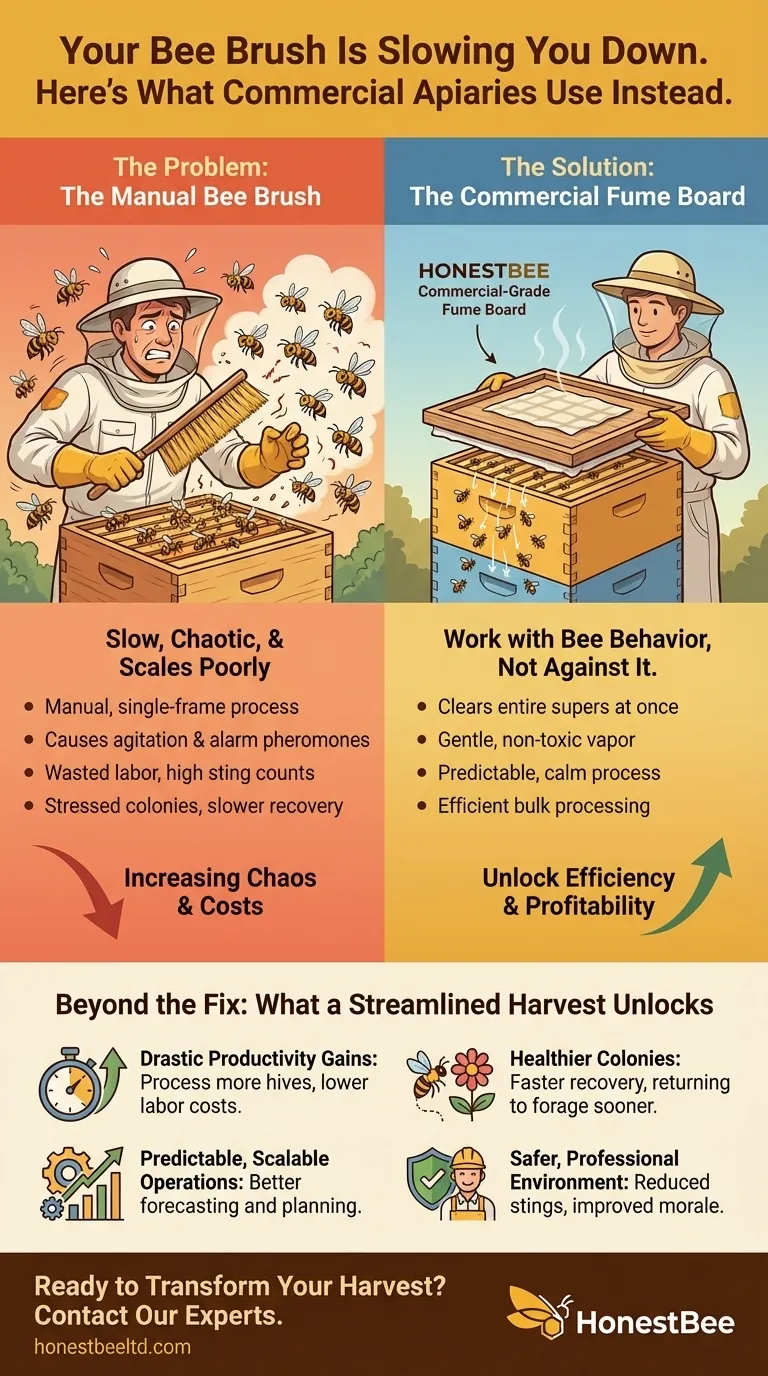
A bee brush is a single-frame solution. It works by physically forcing bees off a comb, one frame at a time. For a hobbyist pulling three or four frames, this is manageable. For a commercial apiary with hundreds or thousands of frames to process, this method creates a compounding disaster.
Think of it this way: each brush stroke, no matter how gentle, causes a small amount of disturbance. It's a "micro-agitation." When you multiply that micro-agitation by 100 frames in an hour, across multiple hives in a yard, you aren't just clearing bees. You are systematically broadcasting a threat signal, putting the entire apiary on high alert.
The common "solutions" fail because they only address the symptom (angry bees) while ignoring the root cause: you are using a point-by-point manual tool for a bulk processing task. You can't brush your way to efficiency at scale.
The Solution Embodied: Work with Bee Behavior, Not Against It
To clear hundreds of honey supers efficiently, you need to stop fighting individual bees and start persuading the entire colony. You need a tool designed for bulk processing, one that uses bee behavior to your advantage.
This is the principle behind the fume board.
A fume board is a lid fitted with an absorbent cloth. When a non-toxic bee repellent is applied, the board is placed on top of a honey super. The fumes, which are unpleasant but harmless to bees, gently drive them down and out of the super, usually within 5-10 minutes.
Instead of fighting bee by bee, you clear an entire box at once. The process is calm, predictable, and dramatically faster. This isn't a "magic trick"; it's a solution engineered from a deep understanding of bee biology and the demands of commercial workflow. Our HONESTBEE Commercial-Grade Fume Boards are designed precisely for this purpose. Their durable construction and highly absorbent interior cloth ensure consistent, efficient vapor distribution, making them a reliable workhorse for any high-volume apiary.
Beyond the Fix: What a Streamlined Harvest Unlocks
When you switch from the brush to a system designed for your scale, you don't just solve an old problem—you unlock new potential for your entire operation.
- Drastic Gains in Productivity: Your team can clear supers in a fraction of the time, processing significantly more hives per day. This directly lowers your labor cost per pound of honey produced.
- Healthier, More Productive Colonies: By minimizing stress and bee loss during harvest, your colonies recover faster and return to foraging sooner. A calmer apiary is a more productive apiary.
- Predictable, Scalable Operations: Harvesting transforms from a chaotic variable into a streamlined, repeatable process. This allows for better financial forecasting, labor planning, and makes it far easier to scale your business.
- A Safer, More Professional Work Environment: A calm harvest is a safe harvest. Reducing stings and stress improves worker morale, retention, and underscores your commitment to professional, humane beekeeping practices.
Stop letting an outdated tool dictate the pace and profitability of your harvest. It's time to equip your operation with a system that reflects its professional scale. Your bees, your team, and your bottom line will thank you.
If you’re ready to move past the chaos and transform your harvest into a model of efficiency, our team of specialists can help. We understand the unique challenges of commercial apiaries and can guide you toward the right equipment to improve your workflow and profitability. To discuss your specific operational needs, Contact Our Experts.
Visual Guide
Related Products
- Wooden Bee Brush with Triple Row Artificial Fiber for Beekeeping
- Classic Wooden Bee Brush with Double-Row Boar Bristles
- Premium Triple-Row Horsehair Bee Brush
- Plastic Handle Single Row Artificial Fiber Bee Brush
- Wooden Bee Brush with Double-Row Horsehair Bristles
Related Articles
- The Silent Profit Killer: Why a Simple Bee Brush Can Make or Break Your Harvest
- The Gentle Command: Why the Bee Brush is a Masterclass in Hive Psychology
- Gentleness Has a Price: The Engineering Trade-off in Bee Brushes
- A Beekeeper's Oath: The Biosecurity and Ethics Engineered into a Bee Brush
- How to Master Bee Brush Techniques for Stress-Free Hive Inspections