Modern beekeeping thrives on precision tools that balance colony health with harvest efficiency. Among these, queen excluders play a pivotal role in structuring hive spaces to maximize honey production while minimizing operational risks. This guide explores their mechanics, benefits, and strategic deployment—helping beekeepers make informed decisions tailored to their colonies' behaviors.
Queen Excluders in Modern Beekeeping
Mechanics and Design Principles
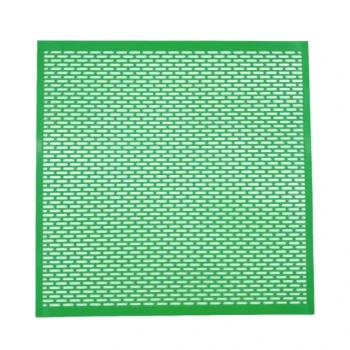
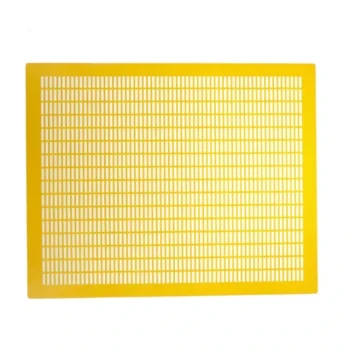
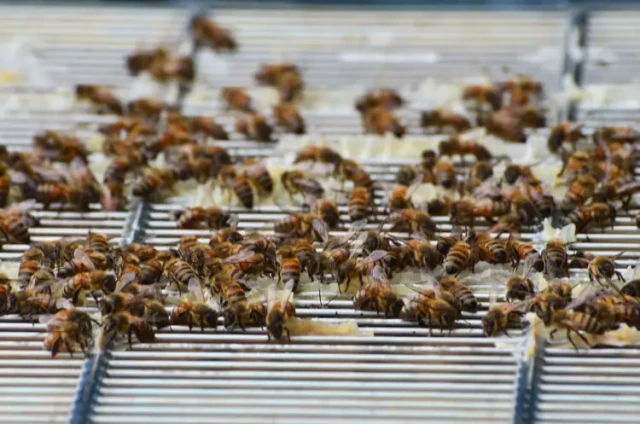
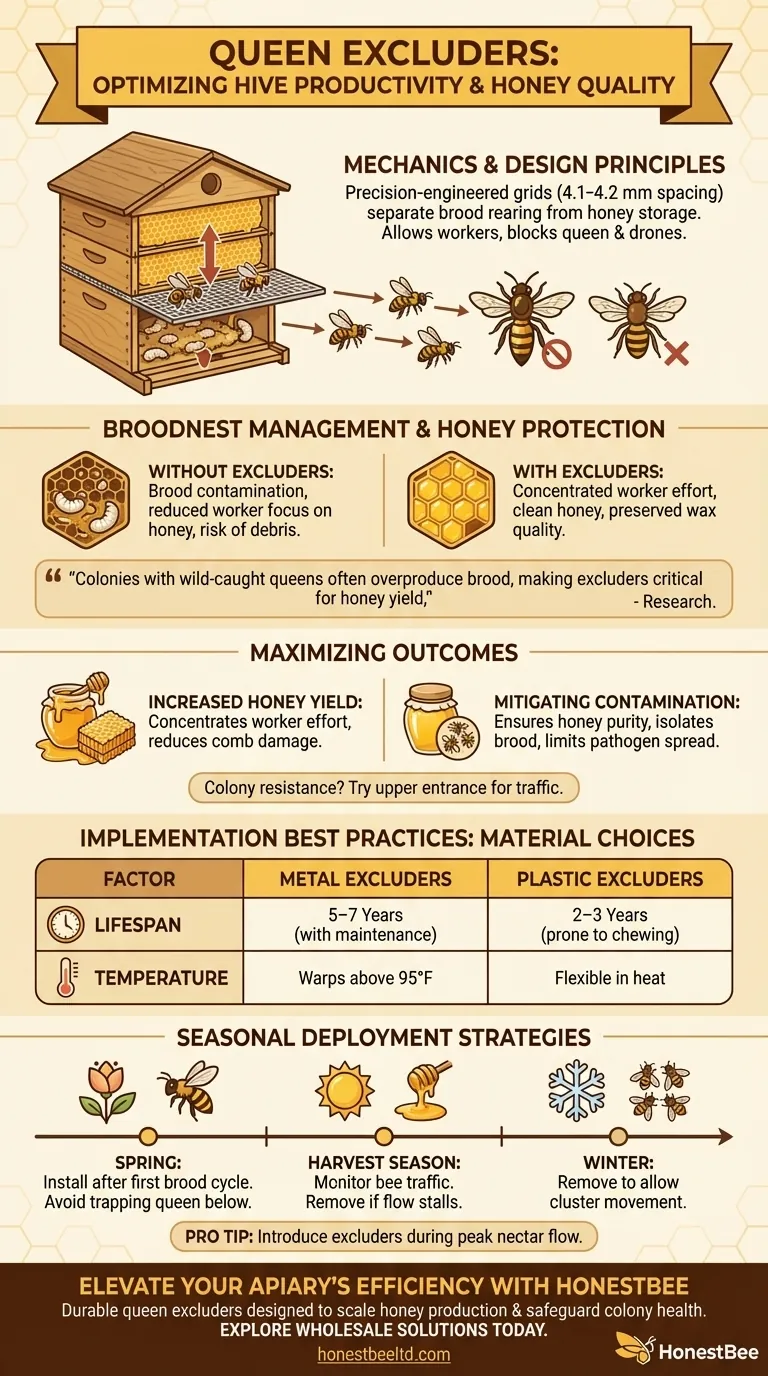
Queen excluders are precision-engineered grids placed between the brood chamber and honey supers. Their spacing (typically 4.1–4.2 mm) allows worker bees to pass but blocks the larger queen and drones, effectively segregating brood rearing from honey storage.
Key considerations:
- Material durability: Metal excluders withstand propolis buildup better than plastic but may warp under heat.
- Bee adaptability: Colonies vary in willingness to traverse excluders; locally bred queens often require less intervention.
Broodnest Management and Honey Super Protection
Without excluders, brood contamination in honey supers can disrupt harvests:
- Nurse bees remain with brood, reducing honey-processing labor.
- Poorly filtered honey risks contamination from larvae or debris (research notes unclean extraction equipment exacerbates this).
"Colonies with wild-caught queens often overproduce brood, making excluders critical for honey yield," observes one study. Top-bar hives, however, naturally partition brood and honey, reducing excluder necessity.
Maximizing Beekeeping Outcomes
Impact on Honey Yield and Quality
Excluders indirectly boost production by:
- Concentrating worker effort in honey supers, free from brood-rearing distractions.
- Reducing comb damage from repeated brood cycles, preserving wax quality.
Note: Some colonies resist excluders, stalling honey flow. Providing an upper entrance above the excluder can ease bee traffic.
Mitigating Cross-Contamination Risks
- Honey purity: Excluders prevent larval fluids or pollen from mixing with harvestable honey.
- Disease control: Isolating brood limits pathogen spread to food stores.
Implementation Best Practices
Material Choices: Metal vs. Plastic Excluders
| Factor | Metal Excluders | Plastic Excluders |
|---|---|---|
| Lifespan | 5–7 years (with maintenance) | 2–3 years (prone to chewing) |
| Temperature | Warps above 95°F | Flexible in heat |
Seasonal Deployment Strategies
- Spring: Install excluders after the first brood cycle to avoid trapping the queen below.
- Harvest season: Monitor bee traffic; remove if honey flow stalls.
- Winter: Remove excluders to allow cluster movement.
Pro Tip: Introduce excluders gradually. Add them during peak nectar flow when bees are most motivated to cross barriers.
Elevate Your Apiary’s Efficiency with HONESTBEE
For commercial apiaries and distributors, HONESTBEE’s durable beekeeping supplies—including high-performance queen excluders—are designed to scale honey production while safeguarding colony health. Explore our wholesale solutions today to harmonize productivity with sustainable practices.
By tailoring excluder use to your bees’ unique rhythms, you transform hive management from guesswork into a science.
Products You Might Be Looking For:
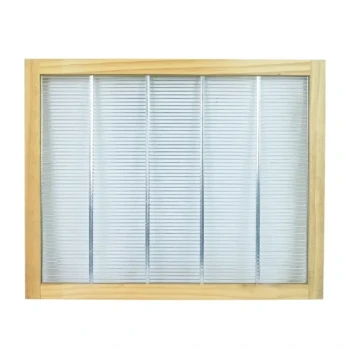
Explore durable wooden queen excluders
Visual Guide
Related Products
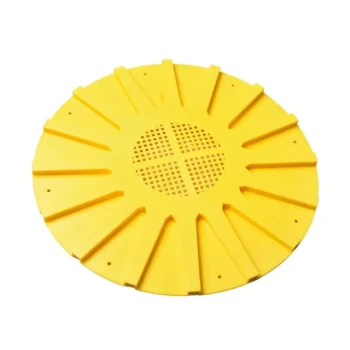
- High Performance Plastic Queen Excluder for Beekeeping and Apiary Management
- Professional Plastic Queen Excluder for Modern Beekeeping
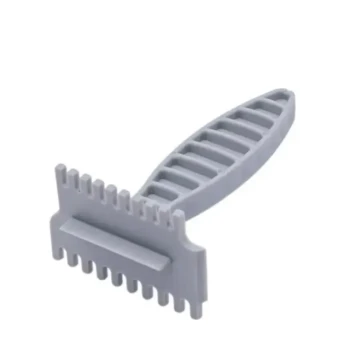
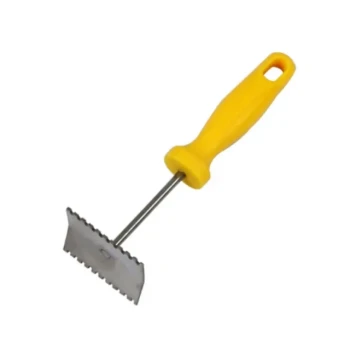
- Lightweight Durable Plastic Queen Excluder Scraper for Beekeeping
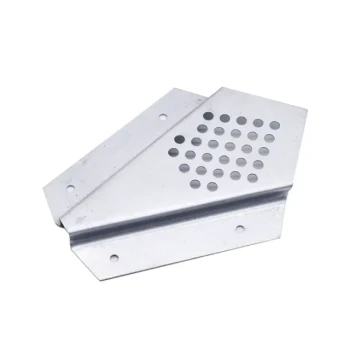
- Metal Queen Bee Excluder for Beekeeping
- Premium Wood Framed Metal Wire Queen Bee Excluder
Related Articles
- How Plastic Queen Excluders Improve Hive Longevity and Colony Health
- Plastic Queen Excluders vs. Alternatives: A Beekeeper’s Guide to Smarter Hive Management
- Why Plastic Queen Excluders Outperform Metal and Wood: Science, Savings, and Hive Protection
- How to Choose Queen Excluders Based on Colony Behavior and Queen Traits
- The Geometry of Order: Why the Queen Excluder is a Beekeeper's Most Strategic Tool