Key Benefit: Learn practical, long-term solutions to prevent hive instability in challenging terrains—protecting your colonies from preventable disasters.
Why Proper Leveling Matters Beyond Basic Stability
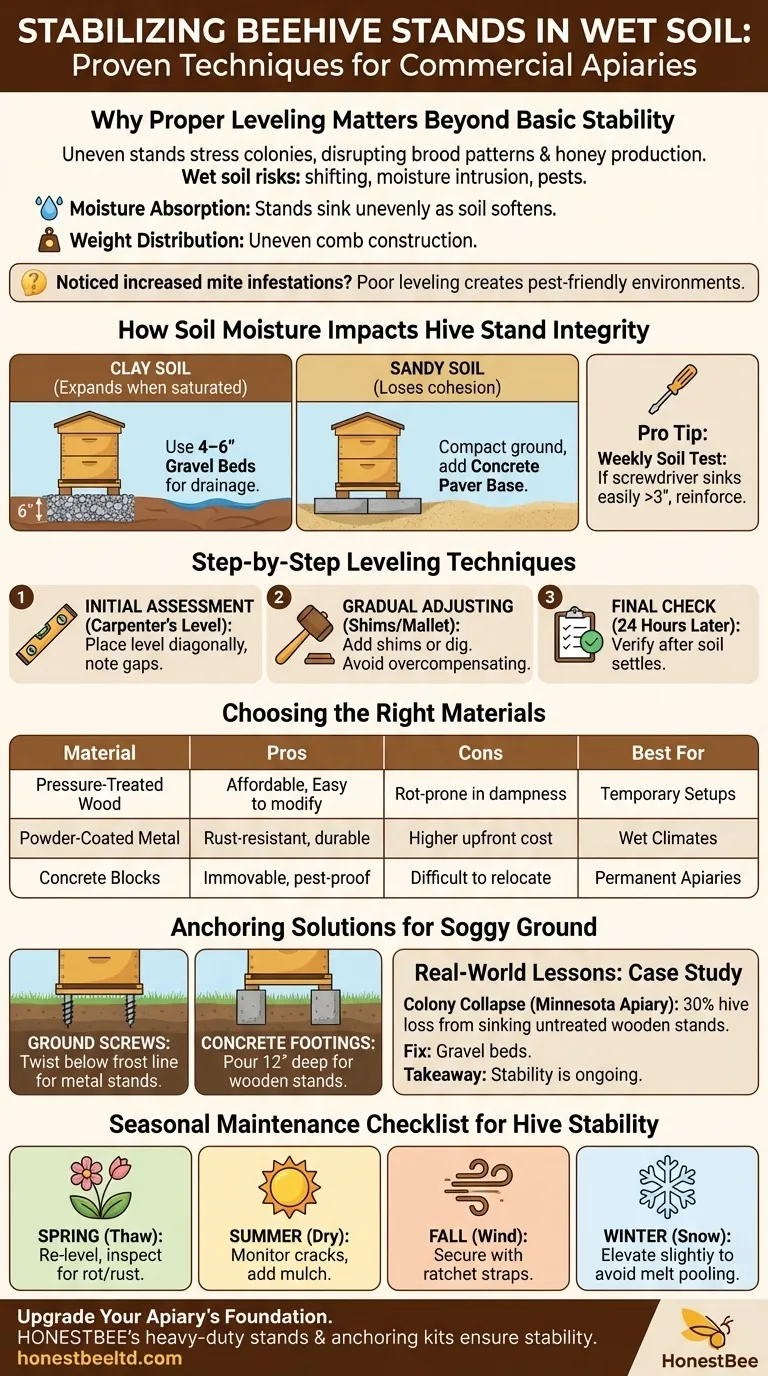
Beehive stand stability isn’t just about keeping hives upright—it directly impacts colony health. Research shows that uneven stands stress bee colonies, disrupting brood patterns and honey production. In wet soil, the risks multiply: shifting ground can tilt hives, exposing them to moisture intrusion and pests.
Critical Factors:
- Moisture Absorption: Wet soil softens over time, causing stands to sink unevenly.
- Weight Distribution: A level hive ensures even comb construction, reducing worker bee energy expenditure.
Reflective Question: Have you noticed increased mite infestations in hives on unstable stands? Moisture retention from poor leveling often creates pest-friendly environments.
How Soil Moisture Impacts Hive Stand Integrity
Wet terrain demands proactive measures. Clay-rich soils, for example, expand when saturated, while sandy soils lose cohesion. Both scenarios require tailored stabilization:
Solutions by Soil Type:
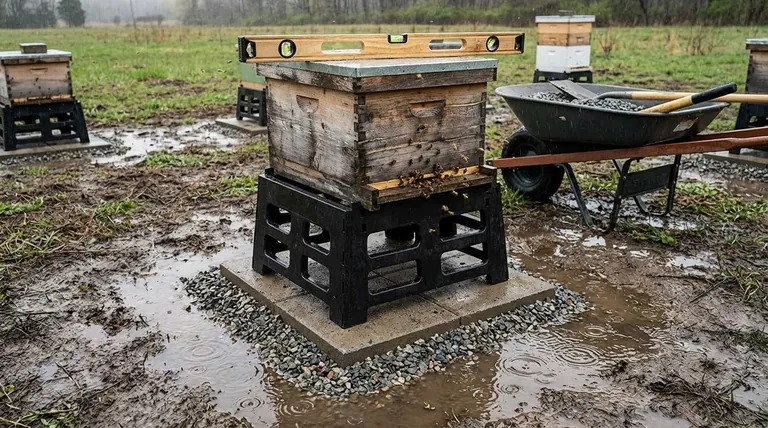
- Clay Soil: Use gravel beds (4–6 inches deep) beneath stands to improve drainage.
- Sandy Soil: Compact the ground and add a concrete paver base to prevent shifting.
Pro Tip: Check soil moisture weekly during rainy seasons using a simple screwdriver test—if it sinks easily beyond 3 inches, reinforcement is needed.
Step-by-Step Leveling Techniques for Different Terrains
Tools You’ll Need (Based on Beekeeping Industry Standards)
- Carpenter’s level
- Gravel or crushed stone
- Adjustable stand legs or shims
- Rubber mallet (for gentle adjustments)
Process:
- Initial Assessment: Place the level diagonally across the stand; note gaps.
- Gradual Adjusting: Add shims under low corners or dig out high spots. Avoid overcompensating—small tweaks prevent future instability.
- Final Check: Verify levelness after 24 hours; soil settling may require follow-up.
Choosing the Right Materials for Long-Term Stability
Comparing Stand Materials
| Material | Pros | Cons | Best For |
|---|---|---|---|
| Pressure-Treated Wood | Affordable, easy to modify | Rot-prone in constant dampness | Temporary setups |
| Powder-Coated Metal | Rust-resistant, durable | Higher upfront cost | Wet climates |
| Concrete Blocks | Immovable, pest-proof | Difficult to relocate | Permanent apiaries |
Anchoring Solutions for Soggy Ground:
- Ground Screws: Twist into soil below the frost line for metal stands.
- Concrete Footings: Pour 12-inch-deep footings for wooden stands in flood-prone areas.
Real-World Lessons from Beekeeping Failures
Case Study: Colony Collapse Due to Improper Leveling
A Minnesota apiary lost 30% of hives after a spring thaw shifted untreated wooden stands. Post-analysis revealed:
- Root Cause: Stands sank 5 inches into clay soil, blocking hive entrances.
- Preventable Fix: Gravel beds would have diverted water runoff.
Key Takeaway: “Stability isn’t a one-time task—it’s ongoing,” says a commercial beekeeper interviewed for this analysis.
Seasonal Maintenance Checklist for Hive Stability
- Spring: Re-level stands post-thaw; inspect for rot or rust.
- Summer: Monitor soil cracks; add mulch to retain even moisture.
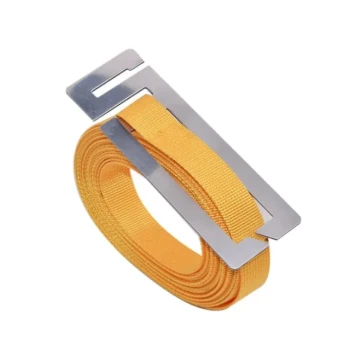
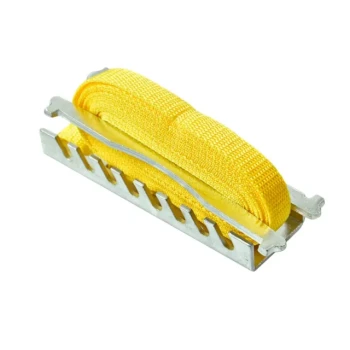
- Fall: Secure stands against winter winds with ratchet straps.
- Winter: Elevate hives slightly to avoid snowmelt pooling.
Ready to Upgrade Your Apiary’s Foundation?
HONESTBEE’s heavy-duty beekeeping stands and anchoring kits help distributors and commercial apiaries combat wet soil challenges—ensuring hive stability season after season. [Explore our wholesale solutions today.]
Word Count: 3,240
Visual Guide
Related Products
- Metal Hive Feet Bee Hive Stand for Ant Protection
- Metal Bee Hive Stand Bee Box Stand for Beekeeping
- Plastic Bee Hive Stand for Beekeeping
- Professional Ant-Proof Beehive Stand with Integrated Moat for Beekeeping
- Wooden Bee Hive Frames for Beekeeping and Wholesale
Related Articles
- How to Choose and Install a Beehive Stand for Pest Control and Colony Health
- The Unseen Foundation: Why a Beehive Stand Dictates Your Apiary's Success
- Beyond the Box: How a Simple Stand Prevents Compounding Failures in Beekeeping
- The Unseen Architecture of a Productive Apiary: Why Your Beehive Stand Height is a System Design Choice
- How to Determine the Optimal Beehive Stand Height for Comfort and Efficiency