The Anatomy of a Controlled Disruption
Opening a beehive is a planned intrusion. It's a brief, necessary disruption of a complex, self-regulating superorganism. For the beekeeper, the goal is to gather information with the precision of a surgeon, causing minimal disturbance.
The difference between a calm, productive inspection and a chaotic, damaging one often comes down to workflow. It’s a mental state, but it’s enabled—or hindered—by the physical tools at hand. The central challenge is managing space and motion in a densely populated, fragile environment.
The Logistical Bottleneck: A Problem of Space and Hands
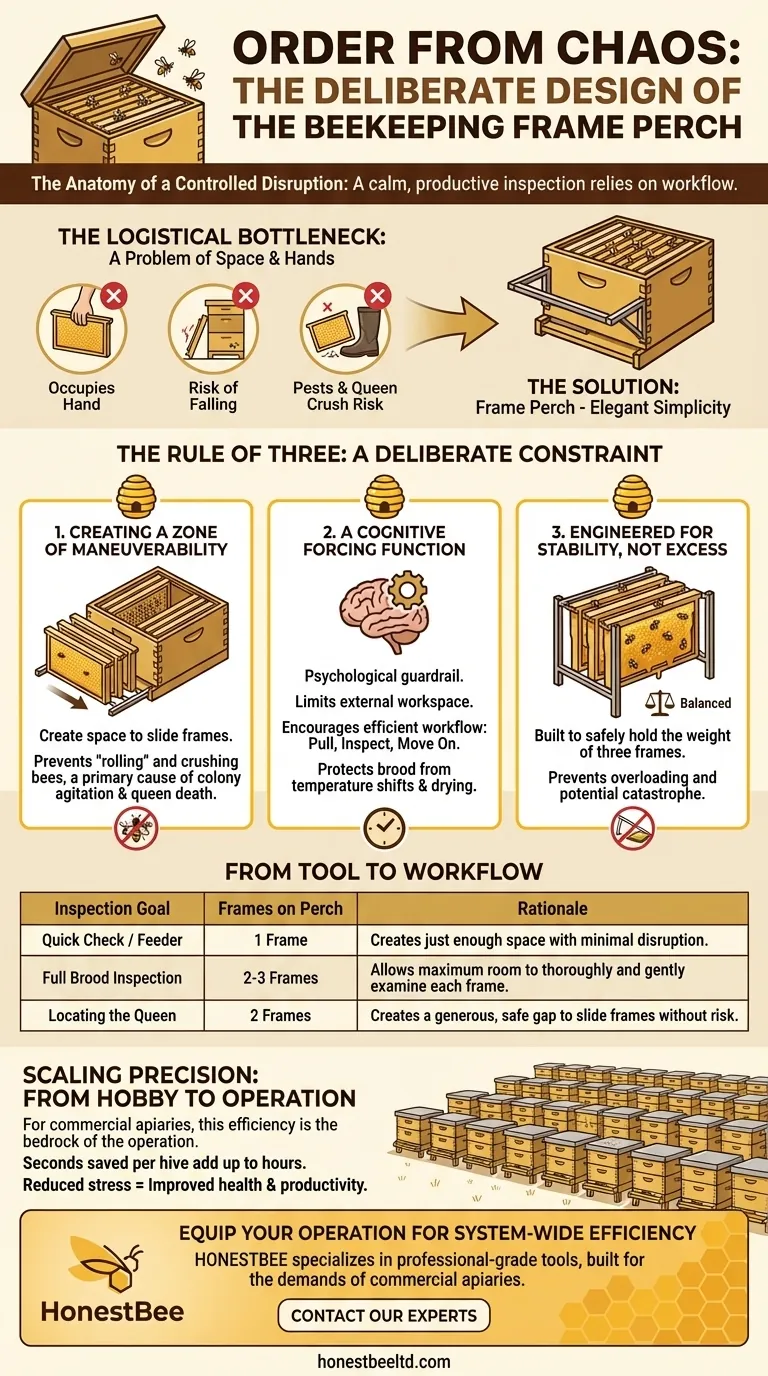
Once the hive is open, the first problem is logistical. To see inside, you must remove a frame. But where do you put it?
Leaning it against the hive risks it falling over. Placing it on the ground invites pests, debris, and the potential to crush the very queen you’re trying to protect. Awkwardly holding it occupies a hand you desperately need.
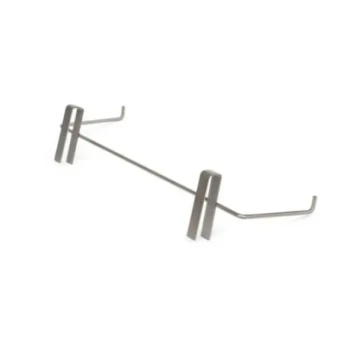
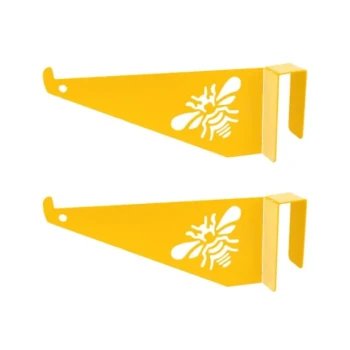
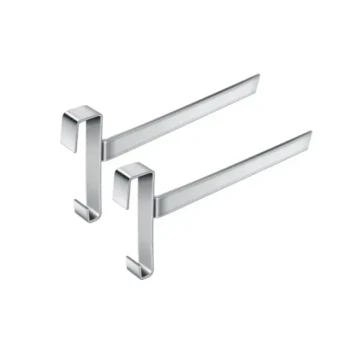
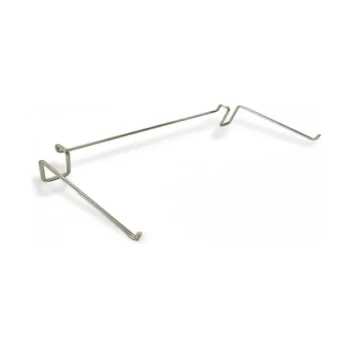
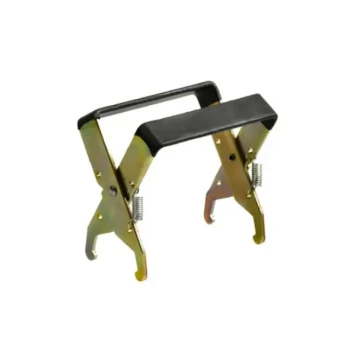
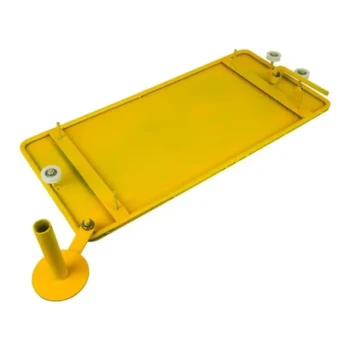
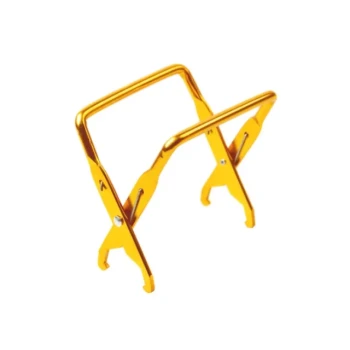
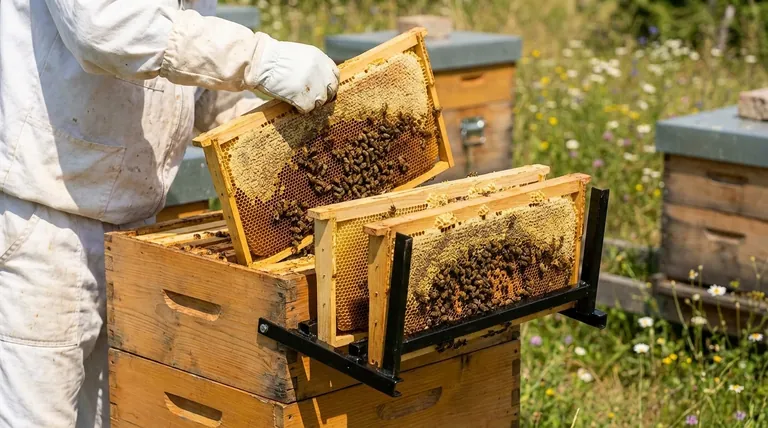
This is not a trivial problem. It's a bottleneck that dictates the pace and safety of the entire inspection. The frame perch solves this with elegant simplicity. It’s a dedicated, secure rack that attaches to the hive body. But its true genius lies not in what it does, but in the constraints it imposes.
The Rule of Three: A Deliberate Constraint
A standard frame perch holds three frames. This number isn't arbitrary; it’s a masterclass in ergonomic and psychological design. It’s a constraint that forces a better process.
Creating a Zone of Maneuverability
The primary purpose of removing the first frames is to create a gap. By hanging one to three frames on the perch, you create the necessary working space to slide the remaining frames, rather than prying them apart.
This simple act of creating space is revolutionary. It prevents "rolling" bees—crushing them between frames—which is a primary cause of colony agitation and a common way to accidentally kill a queen.
A Cognitive Forcing Function
The three-frame limit acts as a psychological guardrail. It’s a physical reminder of a core beekeeping principle: frames with brood should not be outside the hive for long. They are sensitive to temperature shifts and drying out.
By limiting your external workspace, the perch design encourages an efficient, focused workflow: pull, inspect, and move on. It prevents the beekeeper from pulling apart half the hive at once, an error born of ambition that often leads to a stressed colony and a flustered operator.
Engineered for Stability, Not Excess
The design is also a lesson in structural integrity. It's built to safely hold the considerable weight of three frames laden with honey, pollen, and bees. Attempting to add a fourth frame would risk overloading the perch, potentially causing it to fall and creating a catastrophe of broken comb and angry bees. The design anticipates this human tendency and guides us toward the correct, safer practice.
From Tool to Workflow
The frame perch is not just a piece of equipment; it’s the cornerstone of a professional inspection workflow. The number of frames you place on it should be a conscious decision tied to your goal.
| Inspection Goal | Frames on Perch | Rationale |
|---|---|---|
| Quick Check / Feeder | 1 Frame | Creates just enough space with minimal disruption. |
| Full Brood Inspection | 2-3 Frames | Allows maximum room to thoroughly and gently examine each frame. |
| Locating the Queen | 2 Frames | Creates a generous, safe gap to slide frames without risk. |
This methodical approach transforms a potentially clumsy task into a precise, repeatable, and calm process.
Scaling Precision: From Hobby to Operation
This level of workflow efficiency is important for any beekeeper. But for a commercial apiary managing hundreds or thousands of hives, it becomes the bedrock of the entire operation. In a large-scale context, seconds saved per hive add up to hours, and reduced colony stress translates directly to improved health and productivity.
At this scale, equipment cannot be an afterthought. It must be durable, reliable, and designed to support a system of best practices. The simple frame perch is a microcosm of this philosophy. It’s an investment in efficiency and bee welfare. HONESTBEE specializes in supplying these professional-grade tools, built for the demands of commercial apiaries and distributors who understand that success is the sum of countless, well-executed details.
If you are ready to equip your operation with tools designed for system-wide efficiency, Contact Our Experts.
Visual Guide
Related Products
- Heavy-Duty Stainless Steel Clip-On Frame Perch
- Yellow Plastic Bucket Pail Perch for Beekeeping
- Heavy Duty Laser Cut Bee Design Metal Frame Perch
- Heavy-Duty T-Style Frame Perch
- Heavy-Duty Stainless Steel Frame Perch
Related Articles
- How Frame Perches Transform Hive Inspections: Efficiency, Safety, and Hive Health
- How Frame Perch Stability Transforms Beekeeping Safety and Efficiency
- How Frame Perches Transform Beekeeping Efficiency and Colony Health
- The Beekeeper's Dilemma: Choosing Between Wooden Frame Ideals and Plastic Frame Efficiency
- The Unseen Enemy: Why Mold on Beehive Frames Is a Symptom, Not the Disease