The Promise and the Peril of "Honey on Tap"
The Flow Hive represents a brilliant mechanical solution to a timeless problem. It offers an almost magical promise: pure, effortless honey, harvested with the simple turn of a key. It’s an elegant piece of engineering designed to simplify one of beekeeping’s most labor-intensive tasks.
But this elegant system operates within a complex biological reality. A beehive is not a machine; it's a living, breathing superorganism driven by ancient instincts. The success of the entire Flow Hive system hinges on managing the intersection of these two worlds—the mechanical and the biological.
And the single point of failure lies in one simple, often-underestimated assumption: that the bees will use the hive exactly as we've designed.
Anatomy of a Harvest Failure
Imagine the moment. Your Flow Super is heavy, the bees are active, and you're ready for your first harvest. You insert the key, give it a turn, and watch as the honey is supposed to flow.
But instead of pure, golden honey, you see a cloudy, contaminated mixture. What went wrong?
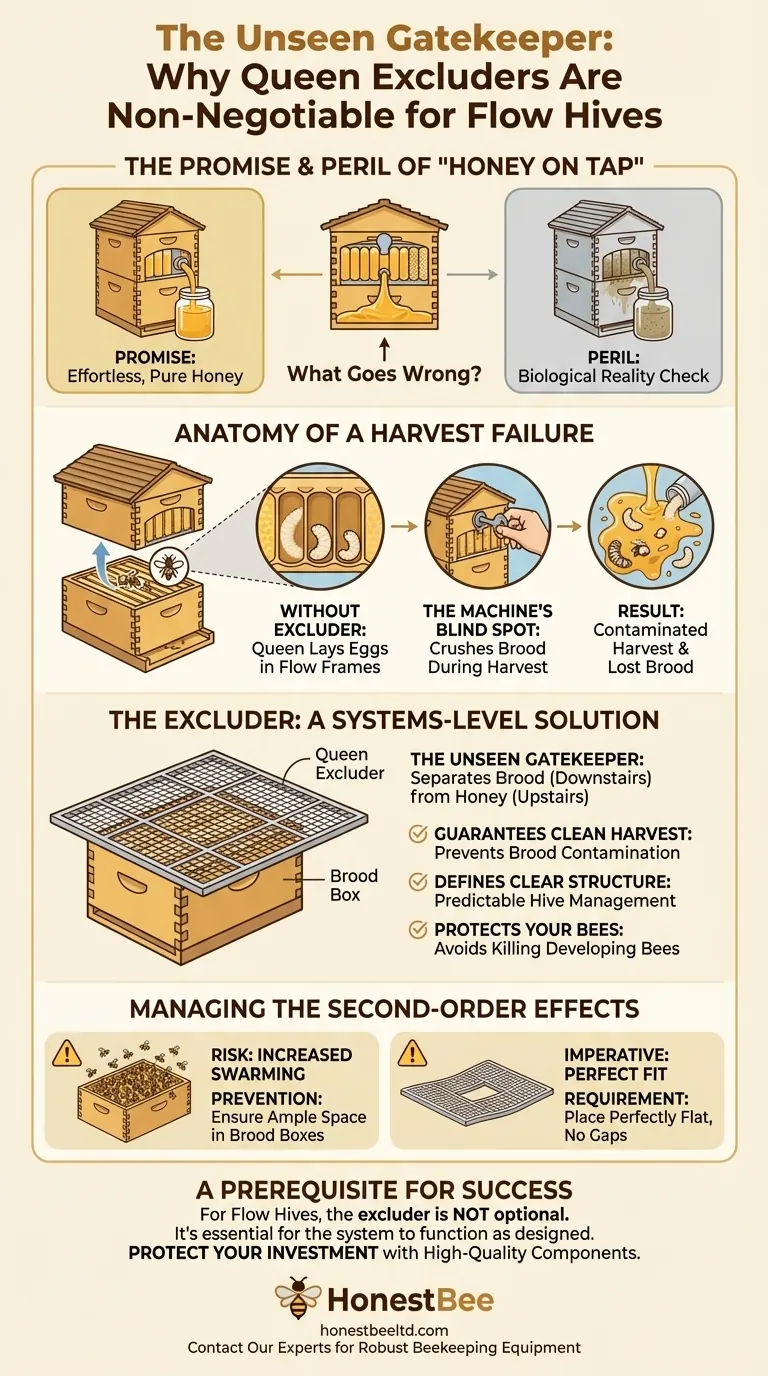
Without a queen excluder, the queen—driven by her biological imperative to expand her colony—has moved upstairs. She has found the pristine, man-made cells of the Flow Frames and done what she is programmed to do: lay eggs. The workers have dutifully tended to them, creating patches of brood right where you expect honey.
The Machine's Blind Spot
The Flow Frame's harvesting mechanism is ingenious but blind. When you turn the key, it splits the cells vertically to create channels for the honey to drain. It cannot differentiate between a cell full of honey and a cell containing a developing larva or pupa.
The result is a tragedy on a small scale. Brood is crushed in the process. Larval fluids and bee parts mix with your honey, contaminating the harvest and undoing the very convenience the system was designed to provide.
The Queen's Imperative
From the queen's perspective, there is no mistake. The cells of a Flow Frame are often the perfect size for drone brood. To her, this isn't a "honey super"; it's valuable, empty real estate perfect for raising the next generation.
We cannot expect her to respect our architectural blueprints. We must build the constraints into the system.
The Excluder: A Systems-Level Solution
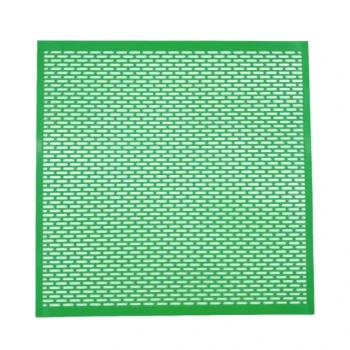
This is where the queen excluder transcends its role as a simple accessory. In a Flow Hive, it becomes a core component of the system's logic. It's the gatekeeper that enforces the single most important rule: the queen stays in the brood box.
By placing this simple grid between the brood chamber and the Flow Super, you establish an unbreakable organizational structure.
- It Guarantees a Clean Harvest: The excluder is your insurance against crushed brood and contaminated honey. It ensures the Flow Frames remain exclusively for honey storage.
- It Defines a Clear Hive Structure: The hive is cleanly divided into a "nursery" downstairs and a "pantry" upstairs. This makes hive inspections and management far more predictable.
- It Protects Your Bees: Preventing the queen from laying in the super means you avoid needlessly killing developing bees during harvest.
The excluder aligns the mechanical promise of the Flow Hive with the biological reality of the colony.
Managing the Second-Order Effects
However, implementing a powerful control like an excluder introduces new dynamics that require thoughtful management. A solution to one problem can create another.
The Psychology of Confinement
The most significant risk is an increased tendency to swarm. The excluder creates a physical barrier that can make the queen feel confined. If the brood chamber below becomes overcrowded with bees, pollen, and honey—a phenomenon known as being "honey bound"—the colony's natural response is to swarm.
The excluder doesn't cause swarming; it reveals a lack of space. Attentive beekeepers must ensure the queen has ample room to lay in the brood boxes, preventing the pressure that triggers swarming.
The Imperative of a Perfect Fit
A queen excluder is only as good as its installation. A determined queen can squeeze through surprisingly small gaps. It must be placed perfectly flat, with no space between its edges and the hive walls. Any warp or imperfection is a potential system failure.
| Function | Benefit for Flow Hive | Key Management Consideration |
|---|---|---|
| Separates Queen | Prevents the queen from laying eggs in Flow Frames. | Mandatory for the system to function correctly. |
| Ensures Clean Honey | Avoids crushing brood and contaminating the harvest. | Protects honey quality and colony health. |
| Organizes the Hive | Creates distinct zones for brood and honey. | Requires active brood box management to prevent swarming. |
A Prerequisite for Success
For traditional hives, a queen excluder is a matter of beekeeper preference. For Flow Hives, it is a prerequisite for the system to function as designed. The decision is not if you should use one, but how you will manage the hive with one in place.
The entire elegant design of the Flow Hive, with its promise of easy, clean honey, relies on the integrity of this one simple component. Using a high-quality, perfectly flat, and durable excluder isn't just best practice; it's protecting your investment. At HONESTBEE, we supply commercial apiaries and distributors with the robust beekeeping equipment needed to ensure systems like these work flawlessly.
To ensure your Flow Hive delivers on its promise, you need the right components. Contact Our Experts
Visual Guide
Related Products
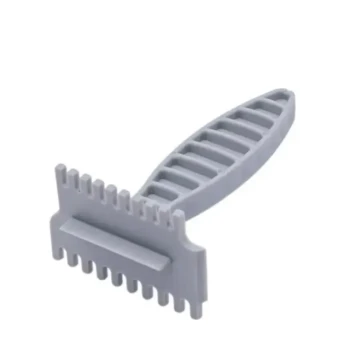
- Lightweight Durable Plastic Queen Excluder Scraper for Beekeeping
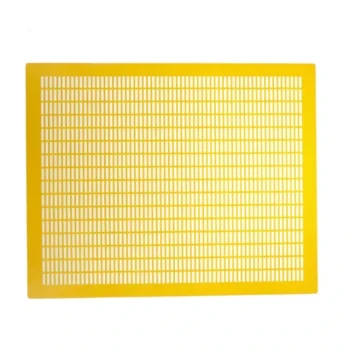
- Plastic Queen Bee Excluder for Bee Hive Wholesale
- Professional Dual Action Queen Excluder Scraper for Beekeeping
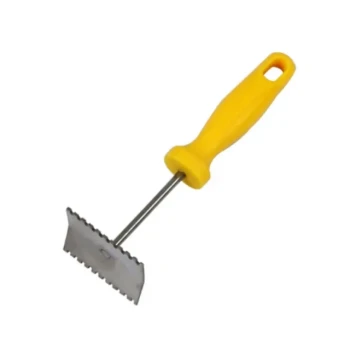
- Stainless Steel Scraper for Metal Queen Bee Excluders
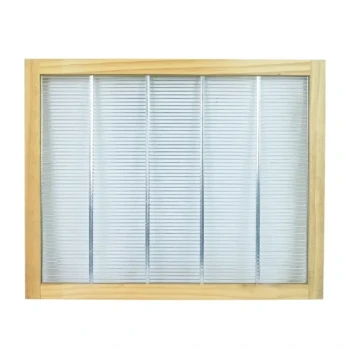
- Wooden Queen Bee Excluder for Beekeeping
Related Articles
- Plastic Queen Excluders vs. Alternatives: A Beekeeper’s Guide to Smarter Hive Management
- Why Plastic Queen Excluders Outperform Metal and Wood: Science, Savings, and Hive Protection
- How Plastic Queen Excluders Improve Hive Longevity and Colony Health
- How to Use Queen Excluders Without Sacrificing Honey Yield: A Beekeeper’s Guide
- The Unseen Gear: Why a Queen Excluder's Winter Placement Defines Beekeeper Efficiency