Yes, beekeeping gloves are highly recommended for every beginner. They provide a critical physical barrier that prevents stings, allowing you to focus on the mechanics of hive inspection rather than the fear of pain. While seasoned apiarists may eventually forego them, wearing gloves is the standard safety practice for anyone starting out.
The Confidence Factor For a novice, the primary value of gloves is psychological. By reducing the fear of stings, gloves lower your anxiety, allowing you to move with the calm, steady confidence necessary to keep the colony undisturbed.
The Importance of Protection for Beginners
Building Confidence
The greatest challenge for a new beekeeper is often nervousness. Fear of being stung can cause hesitation or jerky movements.
Gloves act as a safety net. When you eliminate the immediate threat of a sting to your hands, you can focus entirely on learning how to manipulate frames and observe bee behavior.
The "Calm Beekeeper" Loop
Bees respond to their environment. If a beekeeper is nervous and sweating, the bees may become agitated.
By wearing gloves, you remain calm. This helps you move deliberately and gently. Calm movements keep the bees passive, creating a safer environment for both you and the hive.
Comprehensive Safety
Gloves should not be viewed in isolation. For a beginner, they are part of a full protective system.
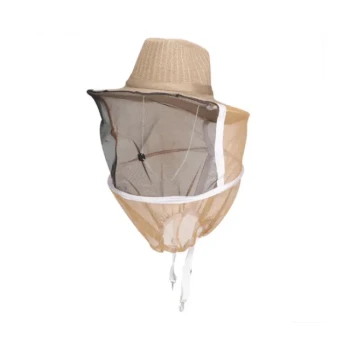
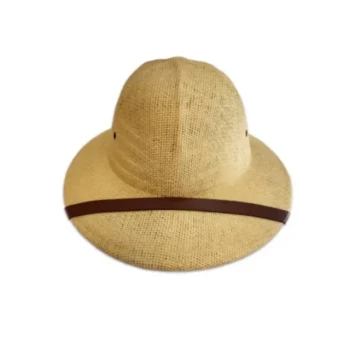
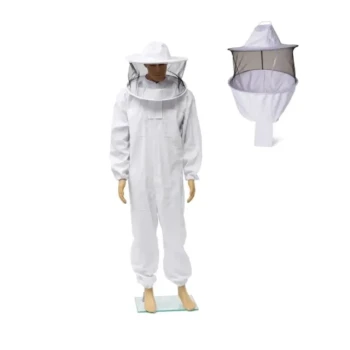
It is advised to wear a full range of Personal Protective Equipment (PPE), including a suit, hat, and veil. This ensures a comprehensive barrier, minimizing risk across the entire body until you gain experience.
Material Options for Starters
Maximum Protection
If your primary concern is preventing stings, choose canvas or leather gloves.
These materials are thick and difficult for bees to sting through. They are the standard recommendation for anyone with a significant fear of stings.
Hygiene and Dexterity
Alternatively, some beginners opt for form-fitting gloves, such as nitrile or latex options used in lab work.
These prevent your hands from getting sticky with honey and propolis. While they offer less sting protection than leather, they provide better tactile sensitivity.
Understanding the Trade-offs
The Dexterity Debate
There is a valid debate in the beekeeping community regarding glove usage. The trade-off for protection is a loss of dexterity.
Thick leather gloves can make your hands feel clumsy. This lack of tactile feedback can make it harder to handle frames gently, potentially leading to accidental crushing of bees, which releases alarm pheromones.
The Learning Curve
Despite the dexterity issues, the recommendation stands: start with gloves.
It is better to be slightly clumsy but calm than dexterous but terrified. As you learn to read your bees' temperament, you can transition to thinner gloves or go gloveless, but you should always keep a pair nearby as a backup.
Making the Right Choice for Your Goal
- If your primary focus is overcoming fear: Start with heavy-duty canvas or leather gloves to ensure maximum sting prevention.
- If your primary focus is dexterity and hygiene: Use form-fitting nitrile or latex gloves to keep hands clean while retaining a sense of touch.
- If your primary focus is long-term skill building: Wear full protection now, but plan to transition to lighter gear as you learn to read bee behavior.
Mastering the hive requires patience; give yourself the protection you need to learn without fear.
Summary Table:
| Feature | Leather/Canvas Gloves | Nitrile/Latex Gloves | No Gloves |
|---|---|---|---|
| Sting Protection | Maximum (Thick Barrier) | Minimal (Thin Barrier) | None |
| Dexterity | Low (Bulky) | High (Tactile) | Maximum |
| Best For | Beginners & Agitated Hives | Hygiene & Dexterity | Experienced Beekeepers |
| Confidence Level | High (Reduced Fear) | Moderate | Requires High Skill |
Elevate Your Apiary with Professional-Grade Gear
At HONESTBEE, we understand that the right equipment is the foundation of a successful beekeeping operation. Whether you are a distributor looking to stock high-quality protective gear or a commercial apiary scaling your production, we provide the comprehensive wholesale solutions you need.
From durable leather gloves and full-body protective suits to advanced hive-making machinery and honey-filling systems, our portfolio is designed to enhance efficiency and safety at every level. Partner with us to access our full spectrum of beekeeping tools, essential consumables, and unique honey-themed cultural merchandise.
Ready to scale your beekeeping business? Contact us today to discuss wholesale opportunities and see how our expertise can drive your success.
Related Products
- Beekeeping Gloves Goatskin Leather with Long Cotton Sleeve for Beekeepers
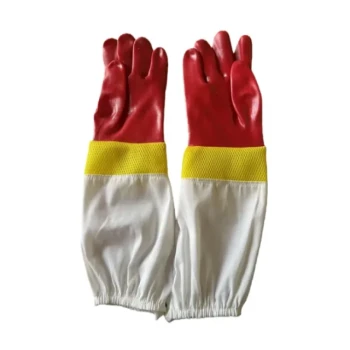
- Heavy Duty Red Rubber Beekeeping Gloves with Vented Mesh Cotton Sleeves
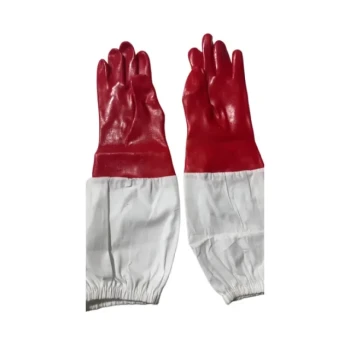
- Heavy Duty Red Rubber Beekeeping Gloves with Extended Pure Cotton Sleeves for Beekeepers
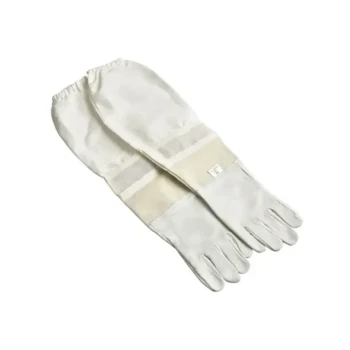
- Goatskin Leather Beekeeper Gloves with Vent Long Sleeve for Beekeeping Honey Bee Sting Proof Protection
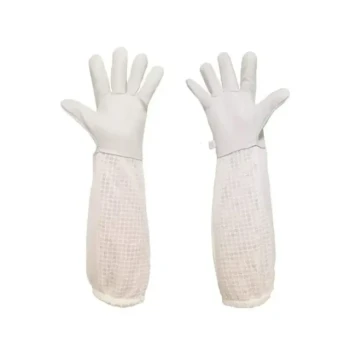
- Premium Ventilated Goatskin Beekeeping Gloves with Full 3-Layer Mesh Sleeve
People Also Ask
- What are the characteristics of the best gloves for beekeeping? Choose Protection & Dexterity
- What are the primary purposes of using beekeeping gloves? Protect Your Hands and Ensure Apiary Hygiene
- What types of gloves are available for beekeeping? Choose the Right Protection for Your Hive
- Why is it important for beekeepers to wear gloves? Essential Safety and Confidence for Hive Management
- Why do some experienced beekeepers opt not to wear gloves? Discover the Benefits of Tactile Precision