Beeswax begins to melt when it reaches a temperature range of 143°F to 151°F (approximately 61°C to 66°C).
Because beeswax is a natural organic compound rather than a synthetic material, it does not have a single, pinpoint melting degree. Instead, it softens and liquefies gradually across this specific thermal window.
Core Insight: While beeswax melts between 143°F and 151°F, the key to successful application is temperature control. You must heat the wax enough to liquefy it without exceeding 170°F, where it begins to degrade in quality, scent, and color.
Understanding the Thermal Properties
The Melting Window
Unlike paraffin or soy waxes which may have engineered melting points, beeswax is a complex mixture of esters, fatty acids, and hydrocarbons.
This natural composition means the transition from solid to liquid happens over a range, specifically 143°F to 151°F.
Why Precision Matters
If you are crafting candles or cosmetics, you must aim for the lower end of this melting range.
Heating the wax just enough to become fluid allows for easier pouring and mixing while preserving the structural integrity of the wax.
Critical Temperature Thresholds (Trade-offs)
The Risk of Discoloration
Once beeswax exceeds 170°F (77°C), you enter a range of diminishing returns.
At this temperature, the wax will begin to discolor, darkening from its natural golden hue. More importantly, the volatile oils that provide that characteristic honey aroma will evaporate, leaving the wax smelling flat or burnt.
The Flashpoint Danger
It is vital to distinguish between melting and overheating.
Beeswax has a flashpoint of 400°F (204°C). If the wax reaches this temperature, it becomes extremely volatile and can self-ignite. This is the primary reason beeswax should never be exposed to a direct flame or uncontrolled high heat source.
Proper Heating Techniques
Use Indirect Heat
To prevent the wax from shooting past the 151°F melting mark toward the danger zone, always use a double boiler.
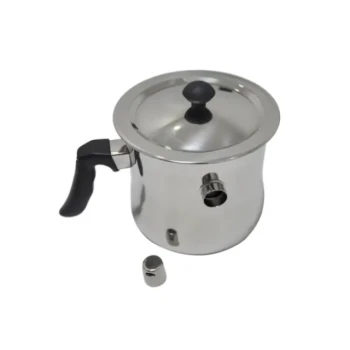
This involves placing a smaller pan containing the wax inside a larger pan of hot water. The water acts as a thermal buffer, ensuring the wax never exceeds the boiling point of water (212°F), keeping it well below the flashpoint.
Consistency is Key
The water in your double boiler should be hot enough to maintain the molten state but should not be boiling vigorously.
Stir the wax continuously as it heats. This ensures even distribution of heat, preventing "hot spots" that could damage the wax near the bottom of the container.
Making the Right Choice for Your Goal
When working with beeswax, your heating strategy should depend on your specific outcome:
- If your primary focus is preservation (Candles/Balms): Maintain the temperature strictly between 145°F and 165°F to retain the natural honey scent and bright color.
- If your primary focus is safety: Never leave melting wax unattended and always use a thermometer to ensure you stay hundreds of degrees below the 400°F flashpoint.
By respecting the 143°F–151°F melting window, you ensure your final product retains the premium qualities that make beeswax so valuable.
Summary Table:
| Temperature Metric | Fahrenheit (°F) | Celsius (°C) | Effect on Beeswax |
|---|---|---|---|
| Melting Range | 143°F – 151°F | 61°C – 66°C | Transition from solid to liquid |
| Optimal Handling | 145°F – 165°F | 63°C – 74°C | Ideal for pouring while preserving color/scent |
| Discoloration Point | > 170°F | > 77°C | Loss of aroma and darkening of color |
| Flashpoint | 400°F | 204°C | Extreme danger; wax becomes volatile/combustible |
Elevate Your Beekeeping Operation with HONESTBEE
At HONESTBEE, we understand that high-quality beeswax processing requires precision and the right equipment. We cater to commercial apiaries and distributors worldwide, providing a comprehensive wholesale selection of professional beekeeping tools and machinery.
From specialized honey-filling and hive-making machines to essential consumables and honey-themed cultural merchandise, we offer everything your business needs to scale efficiently. Partner with a supplier that values quality as much as you do.
Ready to upgrade your apiary’s capabilities? Contact HONESTBEE Today to explore our full spectrum of professional equipment and wholesale solutions!
Related Products
- Beeswax Foundation Sheets Beehive Foundation for Wholesale
- Colorful Silicone Beeswax Foundation Mold Mould for Beekeeping
- Economy Manual Beeswax Embossing Mill Wax Foundation Machine Roller
- Beeswax Melter for Candle Making Honey Bee Wax Melter
- Electric Beeswax Flat Sheet Machine with Operating Tray for Wax Processing
People Also Ask
- What are the technical advantages of beeswax foundations and feeding tools? Optimize Your Bee Breeding Phase
- Why is the regular exchange and replacement of beeswax foundations encouraged? Boost Honey Yield & Hive Biosafety
- What are the negative consequences of using old or contaminated beeswax in foundations? Protect Your Hive Today
- Why is high-purity natural beeswax essential for foundations? Prevent Larval Mortality & Boost Colony Health
- What are the specific advantages of regular comb replacement? Boost Hive Health with New Beeswax Foundations