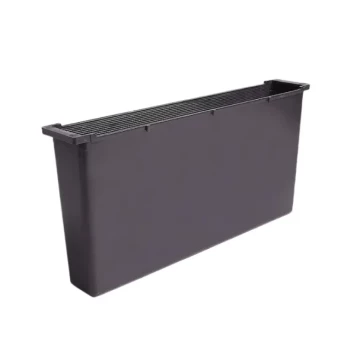
Feeding bees is a year-round strategic management tool, not just a winter survival tactic. While ensuring sufficient winter stores is common, beekeepers must frequently intervene throughout other seasons to rescue starving colonies, bridge environmental gaps, stimulate population explosions, and support specific colony developments like comb building or queen rearing.
Effective feeding is about managing energy flow within the hive. Strategic intervention during critical growth phases or environmental shortages ensures continuous colony development and prevents momentum loss.
Managing Environmental Shortages
Nature does not always provide a steady supply of resources. You must monitor the environment to ensure the colony does not consume its reserves to the point of collapse.
Rescuing Colonies in Late Winter and Spring
The period just before the first major blooms is critical. A colony may survive the harsh winter only to run out of food in late winter or early spring as brood rearing increases energy demands. Feeding at this stage is an emergency measure to prevent starvation when stores are critically low.
Bridging the "June Gap"
Nectar flows are rarely continuous. A "dearth" occurs when flowers are scarce between major blooming cycles. A classic example is the "June gap," where spring blossoms have faded but summer flowers have not yet opened. Feeding during these pauses keeps the colony strong and prevents them from consuming their honey crop.
Stimulating Growth and Infrastructure
Feeding can be used proactively to manipulate the colony's growth rate and physical expansion.
Accelerating Spring Build-up
Honey production depends on having a maximum population of foragers ready exactly when the main nectar flow begins. Feeding early in the spring simulates resource availability. This stimulates the queen to lay eggs earlier and faster, ensuring the workforce is at peak strength when it matters most.
Supporting Hived Swarms
When a swarm is captured and hived, it has no comb and no food reserves. Producing beeswax to build comb requires a massive amount of energy. Feeding these swarms provides the immediate fuel they need to draw out brood combs quickly and establish a new home.
Nurturing Nucleus Colonies
Nucleus colonies (nucs) are small starter hives with limited populations. Because they lack a massive foraging force, they struggle to bring in enough resources for rapid expansion. Supplemental feeding supports their growth, helping them mature into full-sized, self-sustaining colonies.
Specialized Colony Management
Advanced beekeeping techniques often require targeted nutrition to ensure quality results.
Optimizing Queen Rearing
Raising high-quality queens requires the colony to be in a state of abundance. Queen-rearing colonies must be well-nourished to ensure nurse bees produce copious amounts of royal jelly. Constant feeding ensures the developing queens receive the best possible nutrition, regardless of external weather conditions.
Understanding the Risks
While feeding is essential, it must be done with precision to avoid unintended consequences.
Risk of Honey Adulteration
Feeding when honey supers (boxes meant for harvest) are on the hive is a major error. Bees may store sugar syrup or feed in the honeycomb. This adulterates the honey, making it unfit for sale or pure consumption.
Triggering Robbing Behavior
Introducing artificial food can trigger a feeding frenzy. If not managed carefully, this can incite "robbing," where strong hives attack weaker hives to steal their resources. This is particularly dangerous for small nucleus colonies.
Making the Right Choice for Your Goal
To determine if you should feed, evaluate the specific developmental stage of your colony.
- If your primary focus is Colony Survival: Feed immediately during late winter shortages or nectar dearths like the June gap to prevent starvation.
- If your primary focus is Infrastructure: Feed hived swarms and nucleus colonies heavily to fuel wax production and rapid comb building.
- If your primary focus is Maximizing Harvest: Feed early in spring to stimulate population growth, but stop before the main nectar flow to keep your honey pure.
- If your primary focus is Genetics: Ensure queen-rearing colonies have a constant supply of food to produce superior queens.
By treating feeding as a lever for growth rather than just a safety net, you gain control over the productivity and resilience of your apiary.
Summary Table:
| Reason for Feeding | Primary Objective | Timing / Context |
|---|---|---|
| Late Winter Rescue | Prevent starvation | Before first major spring blooms |
| Bridging the "June Gap" | Maintain momentum | During seasonal nectar dearths |
| Spring Build-up | Maximize forager population | Early spring, before main nectar flow |
| Hived Swarms & Nucs | Fuel comb building | Immediately after hiving or splitting |
| Queen Rearing | Optimize royal jelly production | During queen cell development |
Scale Your Apiary Operations with HONESTBEE
Strategic feeding is only one part of a successful beekeeping enterprise. At HONESTBEE, we empower commercial apiaries and distributors with the high-performance tools and machinery needed to turn a thriving colony into a profitable business.
Why partner with us?
- Comprehensive Wholesale Catalog: From specialized hive-making and honey-filling machines to a full spectrum of beekeeping hardware.
- Essential Consumables: We supply the industry-standard consumables you need to maintain year-round productivity.
- Cultural Merchandise: Expand your brand with our unique array of honey-themed merchandise.
Ready to enhance your efficiency and output? Contact HONESTBEE today to explore our wholesale offerings and discover how our expertise can support your growth.
Related Products
- In-Hive Dual Compartment Frame Bee Feeder for Targeted Colony Nutrition
- White Plastic 0.5L Beekeeping Entrance Feeder for Bees
- Rapid Bee Feeder White Plastic 2L Round Top Feeder for 8 or 10-Frame Bee Hives
- HONESTBEE Entrance Bee Feeder Professional Hive Nutrition Solution for Beekeeping
- HONESTBEE Entrance Bee Feeder Efficient Hive Front Liquid Feeding Solution for Beekeeping
People Also Ask
- What are the advantages of using a frame feeder for bee colonies? Boost Growth and Prevent Robbing Efficiently
- Why should sugar syrup or dry sugar not be left out in the open when feeding bees? Avoid a Dangerous Feeding Frenzy
- What precautions should be taken when feeding bees inside the hive? Safeguard Your Colony from Robbing and Leaks
- How do in-hive feeders support honey bee colonies during autumn? Ensure Overwintering Success for Your Apiary
- How do high-quality in-hive feeders assist in managing bee colonies during pesticide contamination? Protect Your Apiary