Yes, beekeeping gloves can be washed, but the method relies entirely on the material. While synthetic gloves like nitrile or rubber are easy to clean with standard soap and water, leather gloves require a specific, gentle process involving mild detergents and conditioning to prevent them from shrinking or hardening.
Core Takeaway: Proper maintenance extends the safety and lifespan of your gear. Leather gloves demand hand-washing with mild soap followed by conditioning to remain pliable, whereas synthetic gloves can handle more vigorous cleaning. Never use harsh chemicals or bleach, as residual scents can agitate the hive.
Cleaning Leather Gloves: A Delicate Process
Preparation and Pre-cleaning
Before applying water, use a soft brush to remove loose debris, dirt, and wax.
For heavy-duty cleaning, wear the gloves while washing them. This provides resistance, allowing you to scrub creases, seams, and stained areas more effectively.
The Washing Method
Fill a bucket with lukewarm water and a mild soap, dish soap, or specialized leather cleaner. Strong detergents strip natural oils and should be avoided.
Dip a soft-bristled brush or cloth into the solution and gently scrub the gloves. Avoid aggressive scrubbing, which can damage the surface of the leather.
Handling Stubborn Residue
Beekeeping gloves often accumulate propolis and wax. You can use a soft toothbrush to gently work these substances out of the seams.
For particularly tough stains or propolis, a small amount of white vinegar can be effective due to its cleaning properties. Always test this on a small, inconspicuous area first.
Rinsing and Drying
Rinse the gloves thoroughly under cold or lukewarm running water. You must ensure all soap residue is removed, as leftover soap will dry out the leather and cause cracking.
Hang the gloves to dry in the shade. Never use a dryer or direct heat source, as this will ruin the leather structure.
The Critical Final Step: Conditioning
Once the gloves are dry, you must apply a leather conditioner.
Massage the conditioner into the leather and buff with a clean cloth. This replenishes oils lost during washing, keeping the gloves supple and preventing them from becoming stiff and unusable.
Cleaning Synthetic Gloves (Nitrile & Rubber)
Simple Soap and Water
Nitrile and rubber gloves are significantly lower maintenance than leather. You can wash them using standard soap and warm water.
Scrubbing and Drying
These materials are durable and can withstand more vigorous scrubbing to remove sticky residues. Once clean, simply allow them to air dry completely before storage.
Understanding the Trade-offs and Pitfalls
The "Washing Machine" Mistake
Never place leather beekeeping gloves in a washing machine. The agitation is too rough for the material, and the immersion cycle can saturate the leather beyond repair.
The Danger of Heat
Heat is the enemy of wet leather. Drying your gloves in direct sunlight, on a radiator, or in a tumble dryer will cause the leather to shrink and harden, likely rendering the gloves useless.
Chemical Sensitivities
Avoid using general household cleaners, bleach, or products with strong artificial scents.
Bees are highly sensitive to odors. Harsh chemical smells lingering on your gloves can trigger defensive behavior in the colony during your next inspection.
Making the Right Choice for Your Goal
- If your primary focus is longevity: Prioritize regular conditioning after every wash to prevent leather gloves from cracking and losing their protective qualities.
- If your primary focus is hygiene and ease: Opt for nitrile or rubber gloves, which can be washed frequently and dried quickly without special treatments.
Treat your protective gear with the same care you treat your colony, and it will serve you for seasons to come.
Summary Table:
| Feature | Leather Gloves | Synthetic (Nitrile/Rubber) |
|---|---|---|
| Washing Method | Hand-wash only while wearing | Standard soap and water |
| Drying Process | Air dry in shade (No heat) | Air dry (Durable) |
| Post-Care | Must apply leather conditioner | No extra care needed |
| Propolis Removal | Soft brush + white vinegar | Vigorous scrubbing |
| Avoid | Machine washing & heat | Harsh chemical cleaners |
Maximize Your Apiary's Efficiency with HONESTBEE
Maintaining your gear is just the beginning. At HONESTBEE, we specialize in empowering commercial apiaries and distributors with high-quality, professional-grade solutions. From specialized beekeeping tools and machinery—including hive-making and honey-filling machines—to essential consumables and unique honey-themed merchandise, we provide the full spectrum of equipment you need to scale your operations.
Why partner with HONESTBEE?
- Comprehensive Wholesale Offering: A one-stop shop for all beekeeping hardware and supplies.
- Industry Expertise: Quality equipment designed to withstand the rigors of commercial use.
- Global Distribution: Tailored support for distributors looking to expand their product portfolio.
Ready to upgrade your equipment or stock your shelves with the best in the industry? Contact us today to explore our wholesale catalog!
Related Products
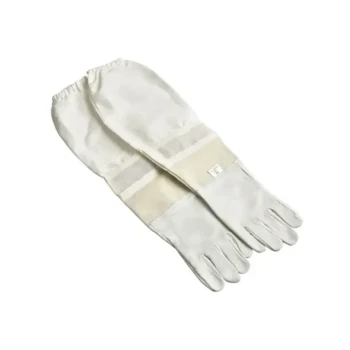
- Beekeeping Gloves Goatskin Leather with Long Cotton Sleeve for Beekeepers
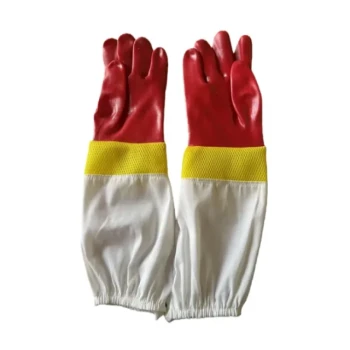
- Heavy Duty Red Rubber Beekeeping Gloves with Vented Mesh Cotton Sleeves
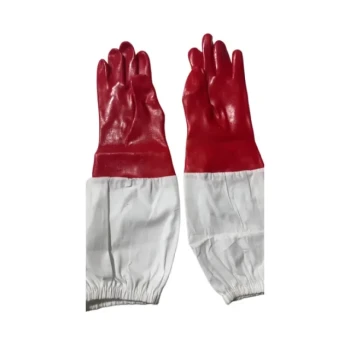
- Heavy Duty Red Rubber Beekeeping Gloves with Extended Pure Cotton Sleeves for Beekeepers
- Goatskin Leather Beekeeper Gloves with Vent Long Sleeve for Beekeeping Honey Bee Sting Proof Protection
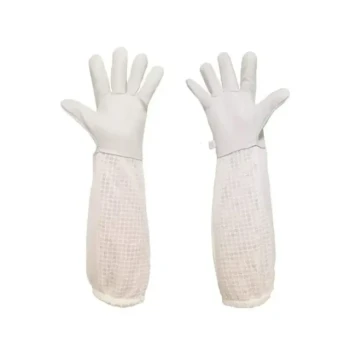
- Premium Ventilated Goatskin Beekeeping Gloves with Full 3-Layer Mesh Sleeve
People Also Ask
- What are the characteristics of the best gloves for beekeeping? Choose Protection & Dexterity
- What are the primary purposes of using beekeeping gloves? Protect Your Hands and Ensure Apiary Hygiene
- What types of gloves are available for beekeeping? Choose the Right Protection for Your Hive
- Why is it important for beekeepers to wear gloves? Essential Safety and Confidence for Hive Management
- Why do some experienced beekeepers opt not to wear gloves? Discover the Benefits of Tactile Precision