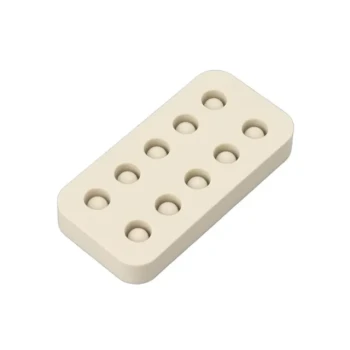
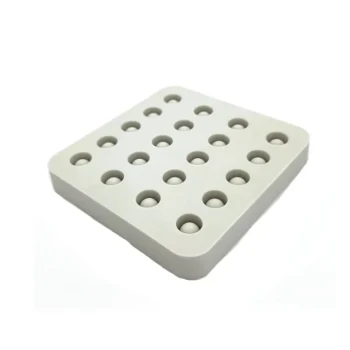
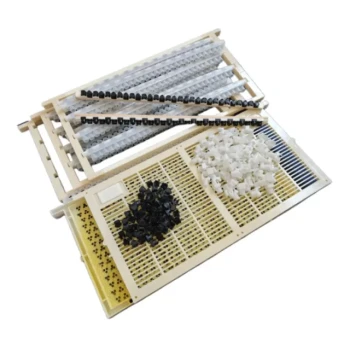
Yes, both virgin queens and queen cells can be stored in a banking system. While the standard practice usually involves storing mated, laying queens, the architecture of a queen bank is versatile enough to accommodate queens at earlier developmental stages, including virgin queens and queen cups.
While the industry standard focuses on banking mated queens, the system can be effectively adapted to store virgin queens and queen cups intended to hatch into cells, providing breeders with versatility across the queen's lifecycle.
Expanding the Scope of Queen Banking
Storing Virgin Queens
The primary reference confirms that banking is not exclusive to mated queens. It is technically feasible and practiced to bank virgin queens effectively.
This capability allows apiarists to hold unmeted stock in a safe environment. It provides a buffer period before the queens are released for their mating flights or introduced to new colonies.
Adapting for Queen Cells
The utility of a banking system extends even further back in the developmental timeline. The system can be adapted to hold queen cups.
These cups are stored within the bank specifically with the intention of allowing them to hatch into queen cells. This transforms the bank from a simple storage unit into a tool for managing the emergence of new stock.
Understanding the Operational Context
The Industry Standard
It is important to recognize that the most common application of this technology is for mated, laying queens. This is the default configuration for most banking operations.
Adaptation is Key
Moving beyond mated queens requires intention. The reference notes that the system must be adapted to handle queen cups.
This implies that while the capability exists, it may require specific adjustments to the standard banking setup to ensure the survival and proper development of cells and virgins.
Strategic Application of Banking
To get the most out of your apiary management, consider how these different banking stages align with your specific objectives.
- If your primary focus is stock flexibility: utilize the banking system to store virgin queens, allowing you to manage inventory before mating occurs.
- If your primary focus is developmental control: adapt your system to bank queen cups, using the equipment to incubate stock as it transitions into queen cells.
Queen banking is a flexible tool that, when adapted correctly, supports the management of queens from their earliest stages through to maturity.
Summary Table:
| Banking Stage | Suitable For | Key Purpose | Management Requirement |
|---|---|---|---|
| Queen Cells | Queen Cups | Controlled hatching & emergence | High (temperature/humidity focus) |
| Virgin Queens | Unmated Queens | Buffer period before mating flights | Moderate (safe holding environment) |
| Mated Queens | Laying Queens | Long-term inventory & commercial sale | Standard (Industry default) |
Scale Your Apiary Operations with HONESTBEE
Maximize your breeding efficiency and protect your valuable stock with professional-grade equipment. As a leading partner for commercial apiaries and distributors, HONESTBEE provides the full spectrum of beekeeping infrastructure—from specialized hive-making machinery and honey-filling systems to high-quality consumables.
Whether you are scaling your queen banking capacity or optimizing honey production, our wholesale solutions are designed to deliver durability and precision.
Ready to elevate your beekeeping business? Contact us today to explore our comprehensive hardware and merchandise portfolio!
Related Products
- Premium Nicot Style Cell Bar Holder and Queen Cell Cup Holder System
- JZBZ Langstroth Queen Rearing Frame for Beekeeping
- JZBZ Style Shipping Cell Protector for Queen Rearing Kit
- JZBZ Type Wide Base Plastic Queen Cell Cups for Base Mounting and Queen Rearing
- JZBZ Push-In Queen Cell Cups for Beekeeping
People Also Ask
- What roles do specialized queen cell cups play in royal jelly production? Optimize Your Hive's Secretion and Yield
- What role do specialized queen rearing tools play in developing mite-resistant honeybee stock? Master Genetic Selection
- What materials are used to make artificial queen cell cups for grafting? Beeswax vs. Plastic Guide
- Why is a diluted royal jelly solution applied to queen cell cups? Boost Acceptance in Artificial Grafting
- How does the standardized depth of queen cell cups affect larval acceptance? Boost Success with 6mm Precision