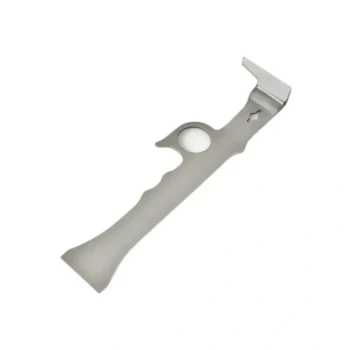
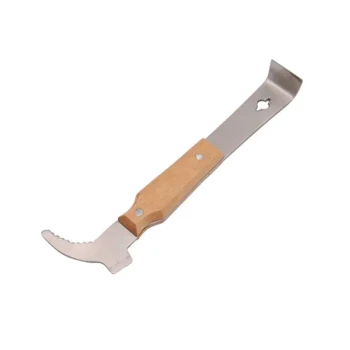
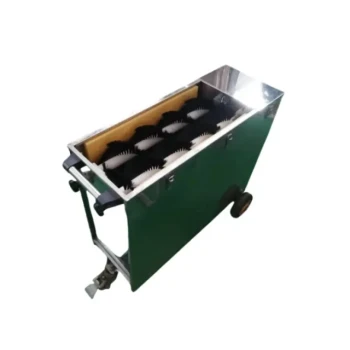
Commercial beekeeping tools act as the logistical backbone for sustaining high-density pollination services essential to permaculture. By enabling precise hive management and colony regulation, these tools ensure honeybees can effectively pollinate both intercropped agricultural varieties and surrounding wild flora. This process directly amplifies plant reproductive success, fostering the genetic diversity required for stable, resilient ecosystems.
While often associated with industrial yield maximization, standardized equipment provides the necessary control to synchronize bee population peaks with local flowering cycles. This "hardware support" secures the ecological function of pollination, which is the fundamental mechanism for maintaining plant diversity and ecosystem stability.
The Mechanism: From Hardware to Ecosystem Stability
Regulating Pollination Density
Commercial tools, such as those used for colony division and larval grafting, allow managers to scientifically control the population density of pollinators.
By manipulating the number of active colonies, beekeepers can ensure a sufficient scale of pollinators is present exactly when crops and native plants are flowering. This intervention prevents pollination deficits that would otherwise limit the reproduction of specific plant species in a permaculture system.
Enhancing Reproductive Success
The primary ecological role of managed hives extends far beyond honey production; they serve as a critical driver for plant reproduction.
Systematic hive management increases the reproductive success of intercropped varieties and wild flora by guaranteeing thorough pollination. This leads to higher seed setting rates and better fruit quality, which ensures the propagation of diverse plant genetics within the landscape.
Supporting Genetic Diversity
The use of specialized equipment facilitates the maintenance of robust, healthy bee colonies that can cover a wider foraging radius.
This widespread pollination service helps maintain genetic diversity across the ecosystem. By supporting the reproduction of wild flora alongside crops, these tools help create a complex, resilient biological web that defines successful permaculture.
Standardization as an Enabler
Converting Complexity into Workflow
Standardized beekeeping tools provide the physical foundation for efficient ecosystem management.
They convert complex, variable biological tasks into manageable, technical workflows. This allows for consistent hive inspections and daily maintenance, ensuring that the pollinator force remains stable and predictable regardless of external variables.
Scaling Ecological Impact
Equipment empowerment increases the output-to-time ratio for beekeepers.
This efficiency allows beekeeping to evolve from a small-scale hobby into a scalable, knowledge-based model. In a permaculture context, this scalability means a single manager can effectively support a much larger area of biodiversity than would be possible with primitive methods.
Understanding the Trade-offs
Balancing Intervention with Natural Resilience
While commercial tools offer control, relying heavily on them can risk prioritizing efficiency over natural adaptation.
Beekeepers must be careful not to over-manage colonies to the point where natural selection is suppressed. The goal in a permaculture system is to use these tools to support the colony's health, not to force production at the expense of long-term bee vitality.
The Risk of Uniformity
Standardization is excellent for workflow, but biological systems thrive on variety.
Using uniform tools for queen rearing and hive structure should be balanced with an understanding of local genetic traits. Over-standardization can sometimes mask issues with queen quality or colony resilience that would be more obvious in a less interventionist approach.
Making the Right Choice for Your Goal
To effectively integrate commercial tools into a biodiversity-focused system, align your equipment use with your specific ecological objectives.
- If your primary focus is Ecosystem Stability: Prioritize tools that facilitate colony health checks and disease management to ensure a consistent, long-term pollination presence.
- If your primary focus is Crop Yield: Leverage colony division and larval grafting tools to time peak bee populations with your specific crop flowering windows.
- If your primary focus is Scalability: Invest in standardized hive bodies and inspection tools to maximize the area one beekeeper can effectively manage.
The ultimate value of these tools lies not in the hardware itself, but in their ability to secure the pollination services that fuel a diverse and thriving living system.
Summary Table:
| Aspect | Contribution to Biodiversity | Key Commercial Tools Used |
|---|---|---|
| Pollination Density | Synchronizes bee peaks with flowering cycles to prevent pollination deficits. | Colony division tools, larval grafting kits |
| Reproductive Success | Increases seed setting rates and fruit quality for intercropped and wild flora. | Specialized hive-making machines, standardized frames |
| Genetic Diversity | Supports wider foraging radii and healthy reproduction of diverse plant genetics. | Disease management kits, robust hive components |
| Scalability | Allows managers to support larger ecological areas through efficient workflows. | Automated honey-filling machines, inspection hardware |
Elevate Your Apiary's Ecological Impact with HONESTBEE
At HONESTBEE, we understand that the right equipment is the bridge between industrial efficiency and ecological thriving. As a premier partner for commercial apiaries and distributors, we provide a comprehensive wholesale suite designed to scale your operations while fostering biodiversity.
Our portfolio spans the entire spectrum of beekeeping excellence—from specialized hive-making and honey-filling machinery to high-quality consumables and honey-themed cultural merchandise. Whether you are looking to equip a large-scale commercial project or supply the next generation of permaculture enthusiasts, we offer the technical hardware and industry expertise to help you succeed.
Ready to grow your beekeeping business and its environmental footprint?
Contact HONESTBEE Today for Wholesale Solutions
References
- Immo Fiebrig, Sabine Gruber. Perspectives on permaculture for commercial farming: aspirations and realities. DOI: 10.1007/s13165-020-00281-8
This article is also based on technical information from HonestBee Knowledge Base .
Related Products
- HONESTBEE 15-in-1 Beekeeper Multi-Tool with Hammer and Pliers for Beekeeping
- HONESTBEE Advanced Ergonomic Stainless Steel Hive Tool for Beekeeping
- Stainless Steel Queen Grafting Tool for Beekeeping and Bee Queen Grafting
- HONESTBEE Classic Pry Bar Hive Tool with High Visibility Finish for Beekeeping
- Stainless Steel J Hook Hive Tool for Beekeeping
People Also Ask
- What is the recommended method for storing beekeeping tools? Expert Vertical Storage Solutions for Your Apiary
- How does a favorable microclimate interact with beekeeping tools? Boost Overwintering Success and Equipment Longevity
- Why is the treatment of beekeeping tools with high-concentration chemical disinfectants necessary for preventing AFB?
- What role do specialized beekeeping tools play in pest management? Enhance Apiary Health with Precision Tech
- How does the stable local supply of beekeeping tools affect technology adoption? Building Sustainable Apiaries