To evaluate honey production with scientific rigor, breeders utilize high-precision weighing equipment to measure the mass of standardized frames immediately before and after the honey extraction process. By calculating the exact difference between the filled, capped frame and the empty frame post-extraction, operators can quantify the specific honey yield of an individual colony. This method eliminates estimation errors, converting raw production into the objective phenotypic data required for comparative genetic analysis.
The combination of high-precision scales and standardized frames allows breeders to isolate the net weight of honey produced by a specific colony, providing the reproducible, objective data necessary to compare lineages and select for superior economic traits.
The Mechanics of Yield Quantification
The Differential Measurement Technique
The core of this evaluation method is differential weighing.
Breeders do not simply weigh the total output; they weigh specific standardized frames when they are laden with honey.
These frames are weighed again immediately after the honey extraction process to obtain the "tare" weight.
Subtracting the post-extraction weight from the pre-extraction weight reveals the precise net yield of that specific frame.
The Necessity of Standardized Frames
For this data to be valid across different colonies, the physical equipment must be uniform.
Standardized frames ensure that the available surface area for comb building and honey storage is identical for every bee line being tested.
This control variable ensures that differences in weight are attributed to the bees' performance, not variations in the equipment.
Why Precision Matters for Breeding Programs
Generating Objective Phenotypic Data
Subjective visual assessments of honey stores are insufficient for modern breeding programs.
High-precision weighing provides quantitative phenotypic data, which is the raw material needed for statistical analysis.
This allows for the objective ranking of bee colonies based on actual economic output rather than anecdotal observation.
Linking Yield to Genetic Traits
Accurate yield data serves as core evidence when evaluating the impact of specific genetic traits.
For example, breeders can correlate a queen's birth weight with the subsequent honey yield of her colony.
This precision also helps determine if other desirable traits, such as mite resistance, are compatible with high commercial productivity.
Common Pitfalls to Avoid
Inconsistent Tare Weights
A major trade-off in this methodology is the reliance on the consistency of the "empty" frame weight.
If the extraction process is inconsistent—leaving varying amounts of honey in the comb—the post-extraction weight will be inaccurate, skewing the yield data.
The Cost of Granularity
Measuring individual frames offers the highest resolution of data, but it is operationally intensive.
Weighing entire supers (boxes) is faster but offers less insight into the performance of specific combs or colony behaviors within the hive.
Breeders must balance the need for granular data against the labor costs of processing individual frames.
Making the Right Choice for Your Goal
To effectively utilize these tools in a breeding or evaluation program, align your metrics with your specific objectives:
- If your primary focus is genetic selection: Prioritize the individual weighing of standardized frames to isolate precise phenotypic traits for lineage comparison.
- If your primary focus is commercial viability: Correlate the net weight data with other economic indicators, such as mite resistance, to ensure high yield does not come at the expense of colony health.
By strictly controlling the physical environment and employing differential weighing, you transform honey production from a commodity into a measurable genetic asset.
Summary Table:
| Evaluation Component | Method/Function | Benefit to Breeding |
|---|---|---|
| High-Precision Scales | Differential weighing (Pre vs. Post extraction) | Eliminates estimation errors; provides objective yield data. |
| Standardized Frames | Uniform surface area and dimensions | Ensures weight differences are genetic, not equipment-based. |
| Differential Measurement | Subtracting tare weight from gross weight | Isolates net honey production per colony/lineage. |
| Data Application | Quantitative phenotypic analysis | Ranks colonies by economic traits and genetic performance. |
Elevate Your Commercial Apiary with HONESTBEE
To achieve the precision required for genetic excellence, you need equipment that meets the highest industry standards. HONESTBEE specializes in supporting commercial apiaries and distributors with a comprehensive wholesale portfolio.
From high-precision hive-making machinery and honey-filling systems to a full spectrum of beekeeping tools and consumables, we provide the hardware necessary to turn your production into a measurable asset. Whether you are scaling a breeding program or optimizing a distribution network, our expertise ensures your success.
Contact HONESTBEE today to discuss your equipment needs and wholesale opportunities.
References
- Peter Neumann, D. Mautz. Colony evaluation is not affected by drifting of drone and worker honeybees (<i>Apis mellifera</i> L.) at a performance testing apiary. DOI: 10.1051/apido:2000107
This article is also based on technical information from HonestBee Knowledge Base .
Related Products
- Digital Honey Refractometer for Precision Measurement of Optimal Honey Quality
- Precision Honey Refractometer Instrument for Quality Assessment
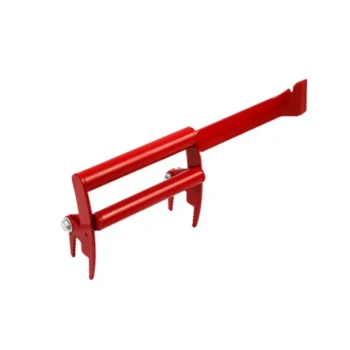
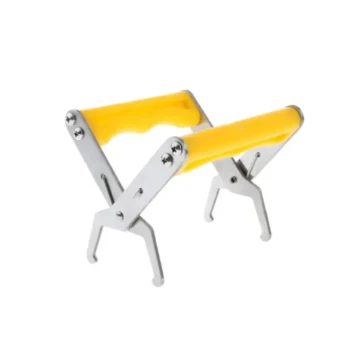
- Professional Frame Comb Fork and Lifter for Efficient Handling
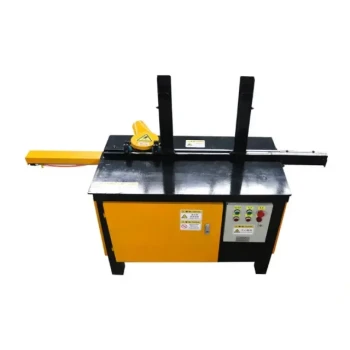
- HONESTBEE Bee Frame Grooving Machine | Precision Slotting for Bee Frame Making
- Commercial Rotary Honey Filling Machine for Production
People Also Ask
- What role do high-precision refractometers play in determining the maturity and quality of honey? Ensure Honey Purity.
- Do the color and viscosity of honey affect its refractometer reading? Mastering Moisture Measurement Accuracy
- Why is a honey refractometer considered essential for commercial beekeepers? Ensure Honey Quality and Profitability
- What is a honey refractometer? The Essential Tool for Perfect Honey Quality
- How do refractometers ensure technical precision when measuring honey moisture? Secure Quality and Prevent Fermentation