Industrial-grade electronic platform scales function as the primary instrument for quantifying colony biomass and productivity in performance testing. They are utilized to weigh entire beehives during specific census cycles, providing the raw data necessary to calculate net honey yield and monitor critical fluctuations in colony weight over time.
By integrating weight data with records of supplemental feeding and comb manipulation, these scales transform raw mass into precise metrics regarding feed balance and honey consumption, serving as the foundational tool for evaluating the genetic potential and production efficiency of honeybee lineages.
The Mechanics of Vitality Assessment
Measuring Total Colony Mass
The fundamental application involves placing the entire hive structure onto the industrial platform scale. This typically occurs during designated periodic census cycles to capture a reliable snapshot of the colony's gross weight.
Unlike visual inspections, this provides a non-subjective data point. It captures the sum of the biological colony, stored resources, and structural components at a specific moment in time.
Isolating Biological Production
To determine vitality, raw weight data must be contextualized. Operators integrate scale readings with detailed records of supplemental feeding and the addition or removal of combs.
By subtracting these external inputs from the gross weight, researchers can calculate the net honey yield. This isolates the colony's actual productivity from artificial weight gains caused by management interventions.
Deriving Performance Metrics
Calculating Feed Balance
Vitality is defined not just by what is produced, but by what is consumed. High-precision weighing allows for the precise determination of a colony's feed balance.
This metric reveals the rate of honey consumption during non-productive periods. It provides a quantitative measure of the colony's metabolic efficiency and overwintering capability.
Evaluating Genetic Lineages
The ultimate goal of this testing is the improvement of stock. These metrics are essential for evaluating the production efficiency of different honeybee genetic lineages.
By comparing weight fluctuations across different hives under identical conditions, breeders can objectively identify lineages that demonstrate superior resource accumulation and resilience.
Understanding the Trade-offs
Periodic vs. Dynamic Monitoring
Standard platform scales are often used for periodic checks. While highly accurate, this "snapshot" approach may miss acute events that occur between census cycles.
Disturbance vs. Remote Sensing
Weighing a hive on a platform scale can involve physical movement. In contrast, electronic weighing modules installed permanently at the base of the hive offer a distinct advantage.
As noted in supplementary data, these static modules provide real-time data feedback without physical disturbance. This allows for the detection of "colony weakening" or health crises caused by environmental pressure immediately, rather than waiting for the next scheduled weigh-in.
Making the Right Choice for Your Goal
To effectively utilize weighing technology in your apiary management or research, align the method with your specific data requirements:
- If your primary focus is Genetic Selection: Prioritize periodic platform weighing to calculate net honey yield and feed balance, as these are the definitive metrics for production efficiency.
- If your primary focus is Operational Health: Implement continuous weighing modules to monitor colony weight fluctuations in real-time, allowing for rapid intervention during health crises.
The integration of precise weight data transforms beekeeping from an intuitive practice into a quantifiable, evidence-based science.
Summary Table:
| Metric | Data Application | Key Benefit for Vitality Testing |
|---|---|---|
| Gross Weight | Periodic hive census | Captures non-subjective snapshot of colony mass |
| Net Honey Yield | Weight minus inputs (feed/combs) | Isolates actual biological production efficiency |
| Feed Balance | Consumption rate monitoring | Measures metabolic efficiency and overwintering capability |
| Weight Fluctuations | Real-time monitoring | Identifies health crises and environmental pressures immediately |
Maximize Your Colony Potential with HONESTBEE
At HONESTBEE, we understand that data-driven insights are the backbone of modern, profitable beekeeping. Whether you are a commercial apiary focused on genetic selection or a distributor seeking high-performance tools, our comprehensive wholesale portfolio has you covered.
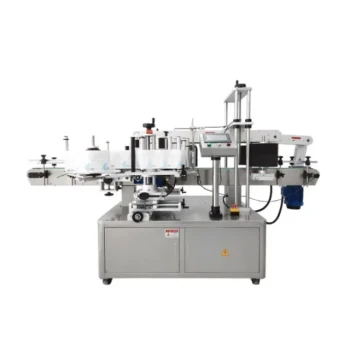
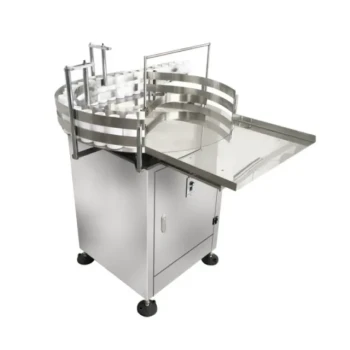
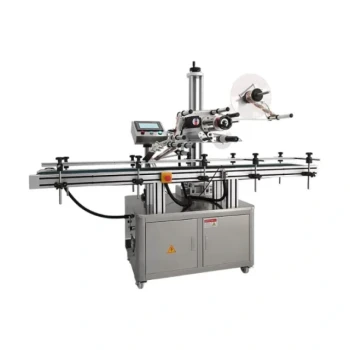
We provide everything from high-precision industrial platform scales and beekeeping machinery to specialized honey-filling systems and cultural merchandise. Partner with us to transform your operations with equipment designed for durability and precision.
Ready to elevate your production efficiency?
Contact our expert team today to discuss your wholesale needs
References
- Cecília Costa, J. Wilde. A Europe-Wide Experiment for Assessing the Impact of Genotype-Environment Interactions on the Vitality and Performance of Honey Bee Colonies: Experimental Design and Trait Evaluation. DOI: 10.2478/v10289-012-0015-9
This article is also based on technical information from HonestBee Knowledge Base .
Related Products
- Heavy-Duty Ergonomic Grip Galvanized Pollen Shovel
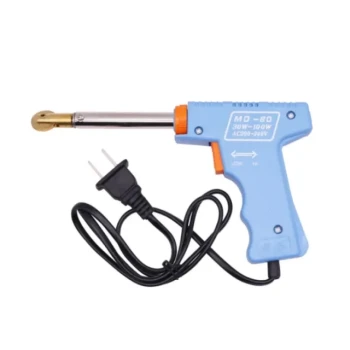
- HONESTBEE AC Powered Wire Embedder with Alligator Clips
- Professional Dual Action Queen Excluder Scraper for Beekeeping
- HONESTBEE Adjustable Voltage Wire Embedder with Digital Display
- Solar Beeswax Melter Easy Solar Wax Melter for Beeswax
People Also Ask
- For what reasons do beekeepers collect bee pollen? Boost Hive Health and Unlock New Revenue Streams
- Why should commercial apiaries focus on the collection of diversified bee products? Maximize Your Hive’s Profit Potential
- How do bee pollen collection tools affect the quality of bee pollen used in functional dairy ice cream production?
- How does a specialized pollen collector facilitate the harvesting of diverse bee products? Automate High-Value Yields
- What is the impact of pollen collectors and associated equipment on the cost structure of pollen production? Maximize ROI