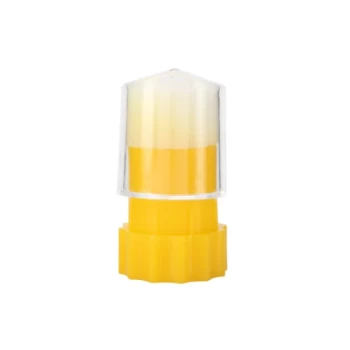
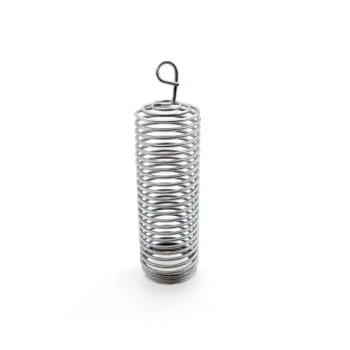
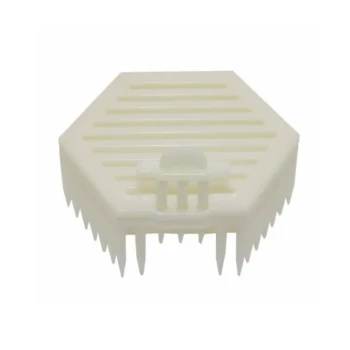
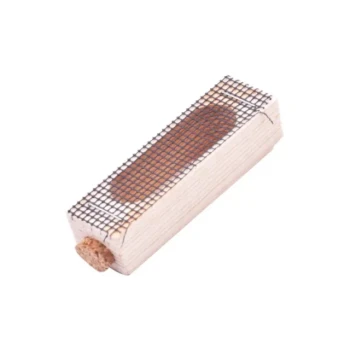
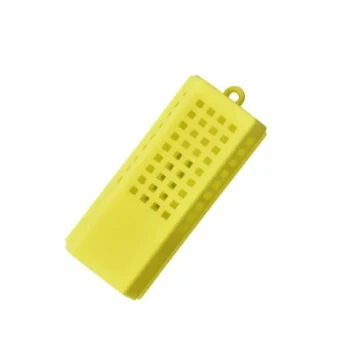
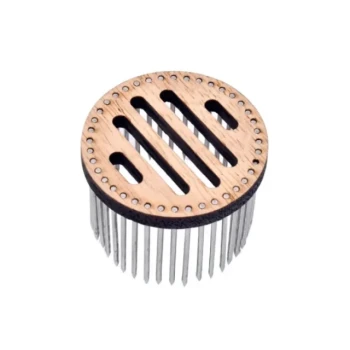
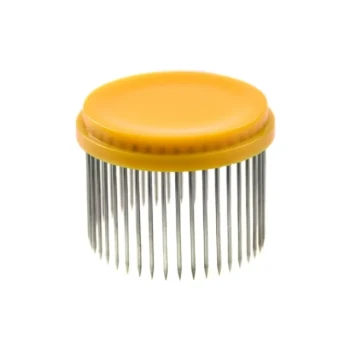
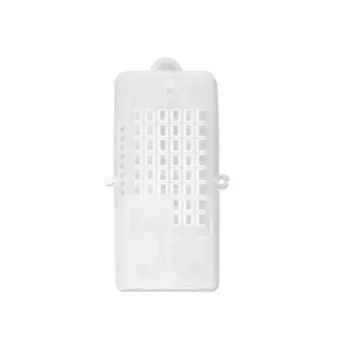
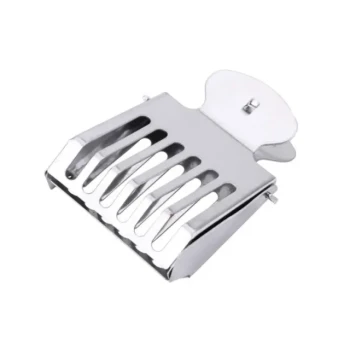
Queen marking cages and pens are precision tools designed to safely identify and track the most important member of the colony. The cage mechanically immobilizes the queen to prevent injury during handling, while the pen is used to apply a specific indicator to her thorax, revealing her age and making her instantly recognizable among thousands of workers.
By combining a protective cage with a non-toxic marking system, beekeepers can significantly reduce the difficulty of hive inspections and maintain accurate records regarding the queen's age and genetic lineage.
The Mechanics of Safe Restraint
The Function of the Marking Cage
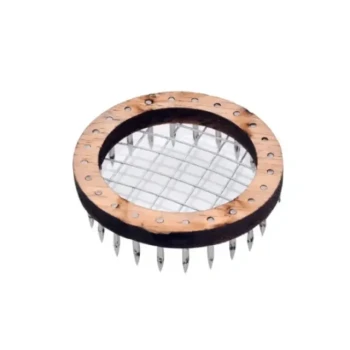
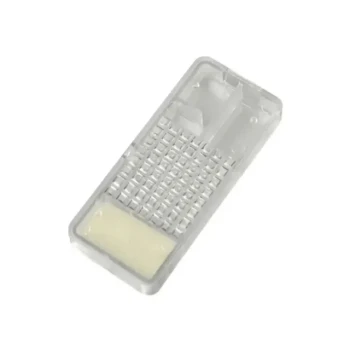
The most common device used is a marking tube, which is typically made of clear plastic.
This tool features a soft foam plunger that the beekeeper manually operates.
By gently depressing the plunger, the beekeeper moves the queen toward a plastic mesh or screen at the top of the tube, immobilizing her against the grid without crushing her.
Why Immobilization is Necessary
Restraint is critical because queens are fast and fragile.
Attempting to mark a free-moving queen increases the risk of the paint smearing or, worse, physical injury to the insect.
The mesh screen allows the beekeeper to apply the mark through the holes while keeping the queen safely contained.
The Marking System
The Role of the Marking Pen
Once the queen is secured, a marking pen is used to apply a small dot to her thorax (the middle section of her body).
Beekeepers utilize Posca pens as the industry standard because they contain water-based, non-toxic paint.
This specific ink is colorfast and durable enough to last for the queen's entire lifetime, ensuring the mark does not fade over time.
Identifying Queen Age
The primary purpose of the mark is to indicate the year the queen hatched or was introduced to the hive.
By using a standardized rotation of colors, a beekeeper can tell at a glance how old a queen is, which is vital for making replacement decisions.
Enhancing Visibility
Beyond age tracking, the colored dot provides a stark contrast against the natural colors of the bees.
This makes the queen stand out immediately from the thousands of other bees in the colony.
This high visibility simplifies routine inspections, reducing the time the hive needs to be open and minimizing disturbance to the colony.
Advanced Identification Methods
Numbered Stickers
For situations requiring precise genetic tracking, beekeepers may use numbered stickers instead of a simple paint dot.
These are purpose-built for apiary use and are glued to the thorax.
This method is typically reserved for very valuable queens where exact record-keeping of lineage and breeding is essential.
Understanding the Trade-offs
Risk of Physical Injury
While cages are designed for safety, user error remains a risk.
Pushing the foam plunger too aggressively can crush the queen against the mesh, potentially killing her or damaging her reproductive capabilities.
Chemical Safety
Not all markers are safe for insects.
Using standard permanent markers or paints with toxic solvents can harm or kill the queen; it is imperative to use water-based, non-toxic inks like those found in Posca pens.
Application Precision
The mark must be applied strictly to the thorax.
Getting paint on the queen's head (eyes/antennae) or abdomen (spiracles) can impair her sensory functions or breathing.
Making the Right Choice for Your Goal
Whether you are managing a backyard hive or a breeding program, proper identification is key to colony health.
- If your primary focus is routine management: Use a standard marking tube and Posca pen to ensure you can quickly assess the queen's age and location during inspections.
- If your primary focus is breeding and genetics: Opt for numbered stickers, as they allow you to track specific lineages and individual queens with higher precision than simple color coding.
Safe marking transforms the queen from a needle in a haystack into a manageable, trackable asset.
Summary Table:
| Tool Type | Key Component | Primary Function | Best For |
|---|---|---|---|
| Marking Tube | Foam Plunger & Mesh | Safely immobilizes the queen | Routine hive management |
| Posca Pen | Non-toxic Water-based Ink | Color-coded age identification | General visibility and tracking |
| Numbered Stickers | Adhesive Identification | Precise genetic record-keeping | Breeding programs and distributors |
| Marking Cage | Protective Grid | Prevents injury during handling | Beginners and large-scale apiaries |
Elevate your apiary's efficiency with professional-grade queen management tools from HONESTBEE. As a premier partner for commercial apiaries and distributors, we provide a complete wholesale catalog ranging from precise queen marking kits to advanced honey-filling machinery and hive-making equipment. Whether you need essential industry consumables or honey-themed cultural merchandise to expand your retail line, our solutions are designed to scale your business. Contact us today to discover how our comprehensive beekeeping portfolio can optimize your operations and supply chain.
Related Products
- Queen Bee Marking Pen POSCA Queen Marking Pens for Beekeeping Bee Markers
- Queen Bee Marking Pen UNI Medium Point for Queen and Bee Marking
- Plastic Long Marker Device for Catching and Marking Bees Queen Bee Marking Tube and Cage
- Plastic Queen Marking Tube Cage with Plunger for Beekeeping
- One Hand Yellow Queen Marking Catcher Tube Cage Beekeeper Tool Accessory for Queen Bee
People Also Ask
- What role do specialized marking pens and color-coding systems play in honeybee tracking? Enhance Research Precision
- Why are specialized marking pens used for stingless bee queens? Essential Tools for Large-Scale Breeding Success
- How should a new paint pen be primed before marking a queen bee? Essential Tips for Safe & Clear Markings
- How should a queen bee marking pen tip be properly primed? Master the Art of Safe Queen Marking
- What specifications are required for a high-quality queen bee marking pen? Ensure Safety and Precision for Your Colony