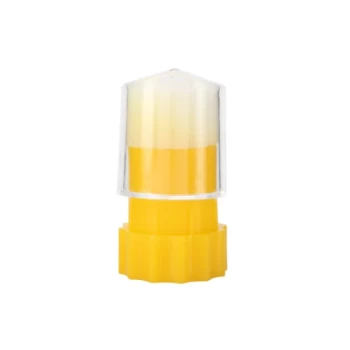
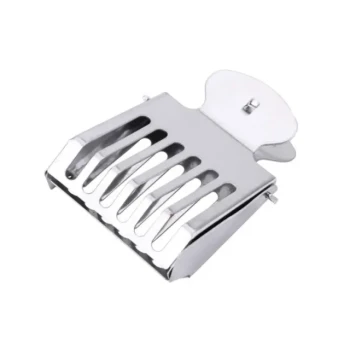
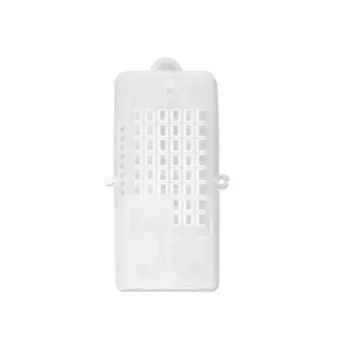
A marked queen serves as a critical visual training aid for novice apiarists. By providing an immediate visual contrast against thousands of worker bees, a marked queen simplifies the daunting task of colony inspection, allowing new beekeepers to focus on technique rather than the frustration of the search.
Core Takeaway Investing in a marked queen significantly shortens the learning curve for beginners. It transforms the anxiety-inducing "needle in a haystack" search into a manageable task, building the confidence necessary to conduct thorough and effective hive inspections.
The Value of Visual Identification
Accelerating Skill Development
For a new beekeeper, locating the queen is often the most difficult aspect of hive management. A marked queen acts as "training wheels" for your eyes.
By making the queen easier to spot, you can observe her behavior and movement patterns more frequently. This repetition helps hone your natural spotting skills over time, eventually making it easier to find unmarked queens.
Increasing Beekeeper Confidence
Uncertainty can paralyze a new beekeeper, leading to rushed or infrequent inspections. Knowing the queen is marked provides a psychological safety net.
When you can confirm the queen's presence quickly, you gain confidence in your inspection abilities. This assurance allows you to proceed with other maintenance tasks without the lingering fear that the colony is queenless.
Enhancing Hive Management Efficiency
Simplifying Colony Procedures
While the mark itself is purely visual, it acts as an enabler for other critical management tools mentioned in beekeeping literature.
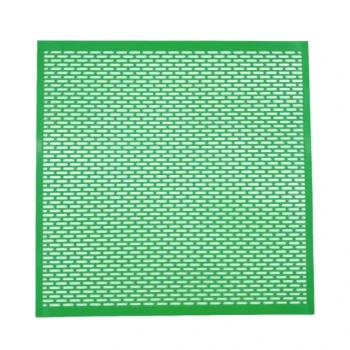
For example, when using a queen excluder to keep brood out of honey supers, you must first verify the queen is in the lower brood box. A marked queen makes this confirmation straightforward, preventing the accidental trapping of the queen in the honey stores.
Streamlining Requeening
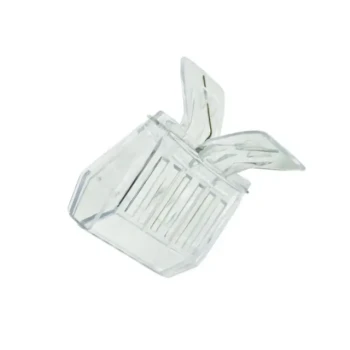
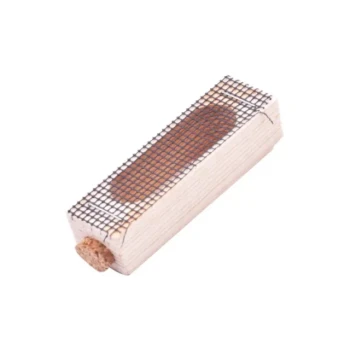
Eventually, a colony may need a new queen introduced via a queen cage. This process requires the removal of the old queen first.
Locating an old, failing queen to remove her is significantly faster if she is marked. This reduces the time the hive is open and lowers the stress placed on the colony during the transition.
Understanding the Limitations
Visibility vs. Control
It is important to distinguish between identifying the queen and managing her behavior. A mark helps you see the queen, but it does not restrict her movement or influence where she lays eggs.
To actually manage the colony's size or prevent brood in honey frames, you must rely on physical barriers like queen excluders, not just the mark. The mark is a passive aid; it does not replace the active function of equipment designed to separate brood zones from honey storage.
The Scope of the Aid
A mark is useful for inspections, but it does not protect the queen from aggression or balling during introduction.
When introducing a new queen, a queen cage is still the required tool for safety and acclimation. The mark helps you track her acceptance after release, but the cage is what ensures her survival during the initial encounter.
Making the Right Choice for Your Goal
Whether you are starting your first hive or managing an aggressive strain, the decision to mark your queen depends on your immediate objectives.
- If your primary focus is skill acquisition: Prioritize a marked queen to reduce frustration and accelerate your ability to recognize queen behavior and movement.
- If your primary focus is honey production: Use a marked queen to quickly verify her location, ensuring she is safely below the queen excluder before the honey flow begins.
- If your primary focus is complex management (requeening/splits): A marked queen is essential for quickly isolating the queen, allowing you to manipulate the hive or introduce new genetics with minimal disruption.
A marked queen is the single most effective investment a beginner can make to transform confusion into competence.
Summary Table:
| Benefit Category | Primary Advantage | Impact on Management |
|---|---|---|
| Skill Development | Visual Training Aid | Shortens the learning curve for queen spotting |
| Confidence | Immediate Identification | Reduces inspection anxiety and hive stress |
| Efficiency | Rapid Location | Streamlines requeening and queen excluder placement |
| Colony Safety | Tracking Queen Health | Easier to monitor queen presence and movement patterns |
Partner with HONESTBEE for Professional Beekeeping Success
At HONESTBEE, we empower commercial apiaries and distributors with the high-quality tools necessary for efficient colony management. From queen excluders and queen cages to advanced honey-filling machines and specialized hive-making hardware, we supply the full spectrum of equipment needed to scale your operations.
Whether you are stocking wholesale supplies or upgrading your apiary's industrial machinery, our comprehensive portfolio is designed to deliver reliability and value. Contact us today to discuss your wholesale needs and discover how our industry-leading solutions can grow your beekeeping business.
Related Products
- Plastic Long Marker Device for Catching and Marking Bees Queen Bee Marking Tube and Cage
- Queen Bee Marking Pen UNI Medium Point for Queen and Bee Marking
- Queen Bee Marking Pen POSCA Queen Marking Pens for Beekeeping Bee Markers
- Queen Bee Marking Tube Cage Bottle Catcher Holder with Clear Plastic Plunger Marker
- One Hand Yellow Queen Marking Catcher Tube Cage Beekeeper Tool Accessory for Queen Bee
People Also Ask
- Where on the queen bee's body should the mark be applied? Master the Art of Safe Queen Identification
- What are the primary objectives for marking a queen bee? Master Hive Management and Data Tracking
- Why is the physical marking of a queen bee important? Ensure Precise Colony Replacement Cycle Tracking
- How do you capture and immobilize a bee for marking? Master Safe Queen Handling for Your Apiary
- What are the different methods for applying a mark to a queen bee? Master Safe and Effective Queen Marking Techniques