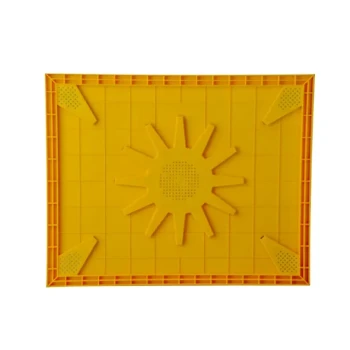
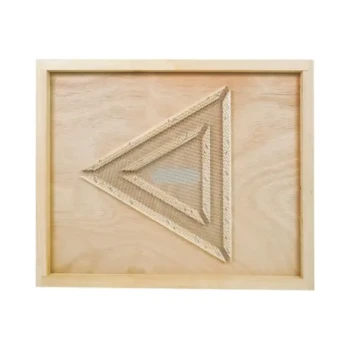
A multi-use bottom board adapts to seasonal changes by allowing the beekeeper to configure the hive base as either a screened or a solid platform. This versatility enables you to regulate airflow and insulation throughout the year, switching modes to match the ambient temperature without lifting the hive or purchasing separate equipment.
The core advantage of a multi-use board is its ability to modify the hive's thermodynamics instantly. It provides essential ventilation during the honey flow and critical draft protection during dormancy, all within a single piece of hardware.
Configuring for Warm Seasons
During spring and summer, the primary goal is ventilation and pest management. In this configuration, the multi-use board functions as a screened bottom board.
Promoting Airflow
By exposing the screen, you allow maximum air circulation through the bottom of the hive.
This helps the colony regulate humidity and temperature during hot days. It reduces the workload on bees fanning to cool the brood nest.
Passive Pest Control
The open screen allows debris and Varroa mites to fall out of the hive.
Once mites fall through the mesh, they cannot crawl back up to re-infest the bees. This provides a baseline level of mechanical pest management during the active season.
Configuring for Cold Seasons
As autumn approaches and temperatures drop, the priority shifts to heat retention and wind protection. In this configuration, the board is converted to a solid bottom board.
Eliminating Drafts
To adapt for winter, you typically insert a tray or panel to cover the screen.
This effectively seals the bottom of the hive, preventing cold gusts of wind from stripping heat away from the winter cluster.
Conserving Colony Energy
A solid base helps the colony maintain the necessary warmth with less energy expenditure.
By closing off the open mesh, you reduce the thermal conductivity of the hive floor. This is critical for survival in climates with freezing temperatures.
Understanding the Trade-offs
While multi-use boards offer convenience, they require active management to function correctly.
Monitoring Debris Buildup
When used in the solid configuration, debris that would normally fall through the screen accumulates on the insert.
You must clean this insert periodically in early spring to prevent mold growth or wax moth infestation. A solid floor does not "self-clean" like a screened floor.
The Moisture Debate
There is a trade-off between ventilation and insulation during the winter.
A fully solid board keeps the hive warm but may trap metabolic moisture created by the bees. Some beekeepers prefer to leave a small gap or use the screened mode with a windbreak to prevent condensation, though a solid mode is generally safer for preventing direct drafts.
Making the Right Choice for Your Goal
To get the most out of a multi-use bottom board, you must time your adjustments to the local climate.
- If your primary focus is keeping the hive cool: Remove the insert fully during the summer months to maximize ventilation and assist in honey curing.
- If your primary focus is overwinter survival: Install the solid insert before the first hard frost to protect the cluster from wind chill.
By actively toggling between these two modes, you ensure your equipment supports the colony's specific biological needs in every season.
Summary Table:
| Season | Configuration | Primary Benefit | Key Action |
|---|---|---|---|
| Spring/Summer | Screened Mode | Ventilation & Pest Control | Remove insert to allow airflow and mite drop. |
| Autumn/Winter | Solid Mode | Heat Retention | Install tray/panel to block drafts and conserve energy. |
| Transition | Active Monitoring | Moisture Management | Clean debris from inserts and check for condensation build-up. |
Scale Your Apiary Operations with HONESTBEE
Maximize your colony's health and productivity with high-performance beekeeping equipment from HONESTBEE. As a premier wholesale partner for commercial apiaries and distributors, we provide the specialized tools you need to succeed in every season—from versatile bottom boards and hive-making machinery to honey-filling systems and industry consumables.
Why partner with HONESTBEE?
- Comprehensive Inventory: Access a full spectrum of beekeeping hardware and honey-themed merchandise.
- Commercial Grade: Durable machinery designed for high-capacity honey production.
- Global Distribution: Reliable wholesale supply chains tailored to your business growth.
Ready to upgrade your equipment or stock your distribution center? Contact us today to receive our full product catalog and wholesale pricing!
Related Products
- Langstroth Screen Bottom Board for Beekeeping Wholesale
- Australian Pine Wood Langstroth Screen Bottom Board for Wholesale
- Langstroth Solid Bottom Board for Beekeeping
- Solid Bottom Board Australian Pine Wood Langstroth Bottom Board for Wholesale
- HONESTBEE Multi Exit Plastic Bee Escape Board for Efficient Honey Harvesting
People Also Ask
- What role do screen bottom boards and monitoring inserts play in assessing Varroa mite mortality and maintaining hive hygiene in Langstroth hives?
- What is the primary function of a screen bottom board? Achieve Accurate Varroa Mite Assessment in Your Apiary
- Why is the combination of a screen bottom board and a sticky trap board essential for monitoring Varroa mite? Guide
- What is the primary function of a standard screen bottom board when assessing honeybee grooming behavior? - Key Mite Data
- Why might a screen bottom board be less effective for pest control? Understanding the 'Mixed Sunlight' Complication