To estimate honey stores without compromising the colony's warmth, the most effective technique is the manual weight assessment, often called "hefting." By gently lifting the rear of the hive, you can gauge its density; a heavy hive indicates ample resources, whereas a surprisingly light hive signals that the colony is running low on food.
Core Insight: In winter, preserving the hive's internal temperature is paramount. Assessing the total weight of the hive acts as a safe, non-invasive proxy for internal honey inventory, allowing you to intervene only when starvation is an immediate threat.
The Manual Assessment Method
The "Heft" Test
The primary method for checking stores is a physical lift test. Stand behind the hive and gently lift the rear of the bottom board a few inches off the stand.
You are not weighing the hive in pounds, but rather gauging its resistance and density. This relies on relative feel—comparing the current weight against your memory of a fully stocked hive from late autumn.
Interpreting the Weight
If the hive feels anchored and heavy, the colony likely has sufficient honey stores to maintain the winter cluster.
If the hive feels surprisingly light or easy to lift, the bees have likely consumed the majority of their stores. This requires immediate intervention with emergency feed to prevent starvation.
Precision Monitoring Alternatives
Using Hive Scales
While manual lifting provides a quick estimate, hive scales offer precise data. Placing a scale under the hive allows you to track weight loss trends over time without touching the equipment.
Understanding Consumption Rates
A scale allows you to see daily or weekly drops in mass. A sudden plateau in weight drop might indicate the bees have died, while an accelerated drop might indicate increased activity or robbing.
Understanding the Trade-offs
Subjectivity vs. Accuracy
The "heft" test is free and fast, but it is highly subjective. It relies entirely on the beekeeper's experience and "muscle memory," which can lead to miscalculations if you are new to the practice.
Risk of Disturbance
Even though you are not opening the lid, rough handling during the lift can break the winter cluster. If the bees detach from the cluster in freezing temperatures, they may be unable to reconnect and will perish. All movements must be slow and deliberate.
When Precision is Unavailable
Hive scales provide the best data but represent a financial investment for every hive. Most beekeepers must rely on the manual heft method for the majority of their apiary.
Making the Right Choice for Your Colony
Once you have assessed the weight, you must decide whether to intervene.
- If your assessment indicates a heavy hive: Do not interfere; allow the colony to continue wintering undisturbed to preserve their thermal seal.
- If your assessment indicates a light hive: You must apply supplementary feeding immediately using specialized winter patties or fondant placed directly over the cluster.
- If you are unsure of the weight: It is safer to add emergency feed as a precaution than to risk the colony starving before the first spring bloom.
Trust the weight of the hive to tell you what the bees cannot say: a light hive is a call for help.
Summary Table:
| Method | Tools Required | Level of Precision | Main Benefit |
|---|---|---|---|
| Heft Test | None (Manual) | Subjective/Estimate | Zero cost; fast assessment without tools. |
| Hive Scales | Mechanical or Digital Scale | High Accuracy | Track real-time consumption and trends. |
| Visual Inspection | None (External only) | Low/Observation | Detect activity levels at the entrance. |
| Thermal Imaging | Infrared Camera | Moderate/Visual | Locates cluster position and heat signature. |
Maximize Your Apiary’s Winter Survival with HONESTBEE
Ensuring your colonies have sufficient stores is the difference between a thriving spring and a winter loss. At HONESTBEE, we specialize in supporting commercial apiaries and distributors with high-quality, professional-grade solutions.
Whether you need precision hive-monitoring equipment, durable beekeeping tools, or specialized machinery like honey-filling and hive-making units, our comprehensive wholesale portfolio has you covered. We provide the essential consumables and hardware required to scale your operations and protect your investment.
Ready to elevate your beekeeping business? Contact our expert team today to explore our wholesale offerings and see how we can streamline your honey production and hive management.
Related Products
- Professional Large-Format Hive Number Set for Beekeeping
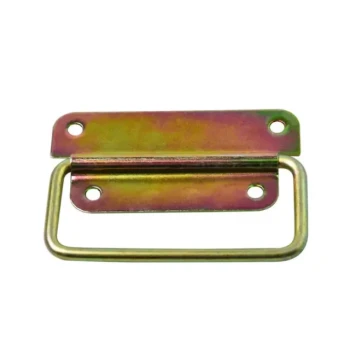
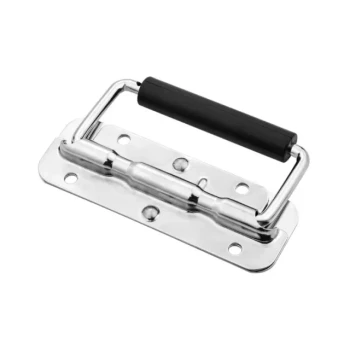
- Professional Drop-Style Hive Handles for Beekeeping
- Durable Plastic Hive Number Set for Beekeeping
- Modern Flat-Mount Hive Number Set for Beekeeping
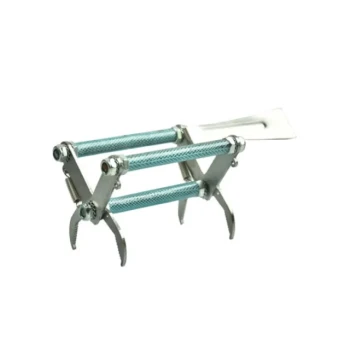
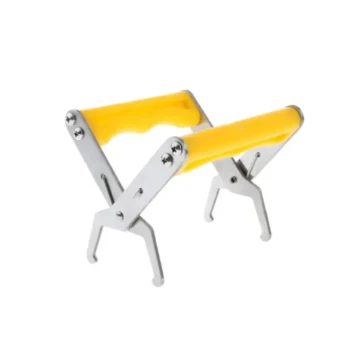
- Professional 3-Bar Frame Grip with Integrated Hive Tool
People Also Ask
- How do different beekeeping hive structures influence productivity? Optimize Designs for Maximum Honey Yield
- What are the structural advantages of bee hives with high-efficiency ventilation? Prevent Honeycomb Thermal Collapse
- Why Increase Hive Installation Quantity in Commercial Apiaries? Offset Climate Risks with Scalable Infrastructure
- How does the design of improved beekeeping hives contribute to maintaining honey quality and purity? Enhancing Purity
- What factors determine the necessary hive configuration for an apiary? Optimize Hive Setup for Better Colony Survival