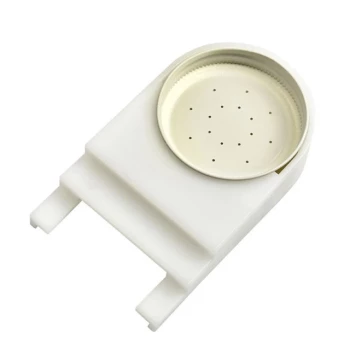
Addressing forage shortages effectively requires a dual strategy of proactive site selection and reactive mobility. The primary management approach involves positioning apiaries near abundant resources—such as farms, plantations, or forests—and strictly protecting surrounding vegetation from hazards like bush burning. When local resources are depleted, utilizing mobile equipment to follow flowering cycles and supplementing with high-energy consumables ensures continuous nutritional support and prevents colony collapse.
Forage scarcity is a primary driver of colony absconding and aggressive behavior. A robust management strategy combines static resource protection with dynamic mobility—relocating hives to follow regional blooms—to minimize foraging stress and maintain production.
Optimizing Apiary Location and Environment
The foundation of managing forage shortages lies in where you place your hives and how you treat the surrounding land. If the immediate environment is barren, no amount of internal hive management can fully compensate.
Strategic Site Selection
To prevent colonies from absconding due to hunger, apiaries must be established in locations with a guaranteed food supply. Ideally, sites should be selected near agricultural farms, plantations, or natural forests where diverse flora is available. This ensures a baseline of nectar and pollen for nutritional support.
Vegetation Protection Measures
Once a site is selected, the surrounding forage must be actively preserved. A critical practice is the implementation of vegetation protection measures, specifically the banning of bush burning. Preserving the local ecosystem ensures a continuous natural supply of nectar and prevents the sudden destruction of the colony's food source.
Leveraging Mobility for Continuous Forage
When static resources dry up, modern management dictates that the apiary must become mobile. Bringing the bees to the food is often more effective than bringing food to the bees.
Following the Flowering Cycles
Mobile beekeeping allows colonies to be relocated across different altitudes and regions to align with the flowering cycles of various flora. By moving colonies from areas of nectar drought to areas of abundance, you ensure consistent access to resources throughout the season.
Reducing Foraging Energy Expenditure
Mobility significantly reduces the average foraging distance for worker bees. When the hive is located directly adjacent to a bloom, bees spend less energy flying and more energy collecting. This efficiency preserves the colony's strength and substantially increases overall honey yield.
Utilizing Automation for Relocation
To make frequent relocation viable, beekeepers should utilize advanced machinery such as electric transport forklifts. These tools reduce the labor intensity of moving hives and shorten human intervention time, providing a more stable environment for the bees during the stressful transition period.
Managing Nutritional Stress and Aggression
During unavoidable periods of scarcity, internal hive management becomes critical to prevent the colony from turning on itself or succumbing to starvation.
Supplemental Feeding Protocols
When natural forage is unavailable, beekeepers must intervene with high-energy consumables, such as refined sugar syrup. This is particularly crucial during early spring and late autumn. Precise control over the placement and dosage of these supplements is required to maintain colony physiology without causing digestive issues.
Mitigating Robbing Behavior
Forage shortages often trigger robbing tendencies, particularly in highly active breeds like Italian bees. Stronger colonies will attack weaker ones to steal resources. Strategic feeding suppresses these aggressive instincts, reducing worker bee mortality caused by inter-colony conflict.
Understanding the Trade-offs
While moving hives and supplementing feed solves the immediate shortage, these practices introduce their own complexities that must be managed.
The Cost of Mobility
While mobile beekeeping maximizes yield, it requires significant investment in transportation and automation equipment. Without the proper tools (like forklifts or intelligent monitoring systems), the labor intensity of frequent relocation can become unsustainable and may disturb the bees excessively.
Balancing Supplementation
Artificial feeding is a lifeline, not a permanent substitute. Over-reliance on sugar syrup without access to natural pollen can lead to nutritional imbalances. Furthermore, improper "open feeding" can accidentally trigger the very robbing behavior you are trying to prevent; feeding must be done internally and carefully.
Tailoring Your Strategy to Your Resources
Different beekeeping operations require different approaches to forage management based on their scale and goals.
- If your primary focus is Stability and Low Cost: Prioritize site selection near permanent forests or plantations and enforce strict bans on bush burning to ensure a consistent, low-maintenance food source.
- If your primary focus is High Yield Commercial Production: Invest in mobile beekeeping equipment and automated transport tools to chase flowering cycles across regions, maximizing honey production per colony.
- If your primary focus is Colony Survival during Dearth: Implement a rigorous supplemental feeding schedule using refined sugar syrup to suppress robbing behavior and maintain colony strength until natural blooms return.
By aligning your management practices with the natural rhythms of local flora, you transform forage availability from a variable risk into a managed asset.
Summary Table:
| Management Strategy | Key Actions | Primary Benefit |
|---|---|---|
| Site Selection | Proximity to farms & forests | Guaranteed baseline food supply |
| Ecosystem Protection | Banning bush burning | Preserves natural nectar sources |
| Dynamic Mobility | Relocating to follow blooms | Maximizes yield & reduces foraging energy |
| Nutritional Support | Supplemental sugar syrup feeding | Prevents starvation & robbing behavior |
| Automation | Using electric forklifts/machinery | Reduces labor & hive stress during moves |
Scale Your Apiary Efficiency with HONESTBEE
Facing forage shortages requires more than just strategy—it requires the right tools. HONESTBEE specializes in empowering commercial apiaries and distributors with high-performance beekeeping solutions. From automated hive-making and honey-filling machinery to heavy-duty transport equipment and essential nutritional consumables, we provide the full spectrum of wholesale resources needed to maintain a mobile and productive operation.
Don't let a nectar dearth compromise your production. Let our industry-leading equipment and cultural merchandise help you build a more resilient beekeeping business.
Contact us today to optimize your commercial operation!
References
- C. I. Okere, Osarhiemen Iyare. Assessment of Processes and Challenges of Beekeeping in Edo State, Nigeria. DOI: 10.56201/ijaes.v9.no1.2023.pg11.17
This article is also based on technical information from HonestBee Knowledge Base .
Related Products
- HONESTBEE Professional Entrance Bee Feeder Hive Nutrition Solution
- HONESTBEE Entrance Bee Feeder Professional Hive Nutrition Solution for Beekeeping
- HONESTBEE Entrance Bee Feeder Efficient Hive Front Liquid Feeding Solution for Beekeeping
- HONESTBEE Professional Hive Top Bee Feeder Feeding Solution
- In-Hive Dual Compartment Frame Bee Feeder for Targeted Colony Nutrition
People Also Ask
- What types of bee feeders are available for beginners? Start with the Simple Entrance Feeder
- What are the advantages and disadvantages of using an entrance feeder for bees? Balance Convenience and Hive Security.
- How does a bee entrance feeder work? A Simple Guide to Convenient Hive Feeding
- What is a bee entrance feeder and what are its drawbacks? Essential Guide to Hive Security and Feeding Efficiency
- How to make an entrance feeder for bees? A DIY Guide for Safe & Effective Feeding