Preventing contamination in filled honey requires a dual approach: strict raw material filtration and rigorous equipment sanitation. Most contamination issues arise from either impurities remaining in the raw honey or residue build-up on filling machinery surfaces. Addressing these specific areas ensures a clean, high-quality final product.
Contamination is typically the result of inadequate pre-processing filtration or compromised equipment hygiene. By installing effective filtration systems for raw honey and establishing a routine schedule for sanitizing both internal and external machine surfaces, you can maintain product purity.
Eliminating Impurities at the Source
Implementing Effective Filtration
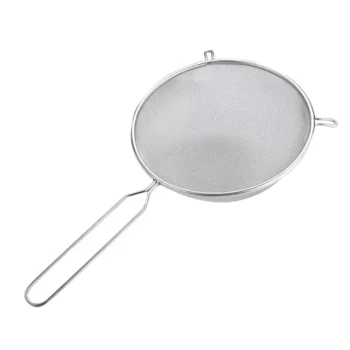
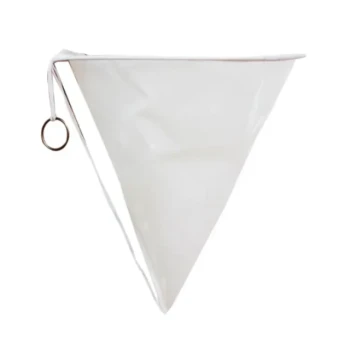
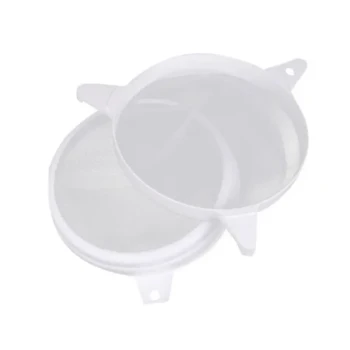
Contamination often begins before the honey enters the filling machine. Poor filtration of raw honey allows particulate matter and natural impurities to pass through to the final container.
Implementing a robust filtration system prior to processing is the first line of defense. This step removes solid contaminants early, ensuring only clean product reaches your filling equipment.
Ensuring Machine Sanitation
Sanitizing Internal Surfaces
The internal components of your filling machinery come into direct contact with the product. Residue can build up inside the system, creating a significant risk for bacterial growth or particulate contamination.
You must regularly wipe and sanitize these interior surfaces. Keeping the product path clean is critical to preventing cross-contamination between batches.
Cleaning External Surfaces
While less obvious, the exterior of the machine also poses a contamination risk. Dust, spills, and environmental debris can settle here and inadvertently migrate into the open containers or the product stream.
Regular cleaning of the machine's exterior is essential. A holistic hygienic environment requires that the entire machine, inside and out, remains free of debris.
Common Pitfalls to Avoid
Neglecting Routine Maintenance
It is easy to prioritize production speed over cleaning cycles. However, failing to regularly wipe down machine surfaces leads to stubborn residue accumulation that becomes harder to remove over time.
Relying Solely on Visual Inspection
Visible cleanliness is not always sufficient. Microscopic contaminants can remain if surfaces are wiped but not properly sanitized. Ensure your cleaning protocol includes thorough sanitization, not just the removal of visible dirt.
Making the Right Choice for Your Production Line
To ensure a contaminant-free product, you must standardize your cleaning and filtration protocols.
- If your primary focus is raw material quality: Prioritize the installation of high-grade filtration systems to catch impurities before they reach the filler.
- If your primary focus is process hygiene: Establish a strict, recurring schedule for wiping down and sanitizing both the interior and exterior of your filling equipment.
Consistent maintenance and proactive filtration are the bedrocks of safe, high-quality honey production.
Summary Table:
| Focus Area | Prevention Strategy | Key Action |
|---|---|---|
| Raw Materials | Robust Filtration | Remove particulate matter before the filling stage |
| Internal Surfaces | Regular Sanitization | Wipe and sanitize product paths to prevent bacterial growth |
| External Surfaces | Environmental Cleaning | Maintain machine exterior to prevent debris migration |
| Maintenance | Routine Schedules | Avoid residue build-up by following a strict cleaning cycle |
Elevate Your Honey Production Safety with HONESTBEE
Contamination control is critical for commercial success. At HONESTBEE, we empower commercial apiaries and distributors with high-performance beekeeping tools, specialized honey-filling machines, and industrial-grade machinery designed for maximum hygiene and efficiency.
Whether you need advanced filtration hardware or reliable honey-processing consumables, our comprehensive wholesale offering is tailored to your business needs. Contact us today to discover how our expert equipment solutions can safeguard your product purity and streamline your operations.
Related Products
- Electric Double Wall Honey Filtering Machine Purifier Equipment for Honey Processing Plant
- Professional Stainless Steel Honey Filtering Machine with Water Bath Heating for Beekeeping
- 0.5T Capacity Honey Dehumidifier Dryer with Vacuum Heating and Thickening Filtering Machine
- Honey Concentrating and Filtering Dehumidifier Machine 2T Capacity for Honey
- Professional Stainless Steel Honey Filter with Support Handle
People Also Ask
- What is the process of filtering honey? A Guide to Clean, Pure, and Market-Ready Honey
- What types of equipment are used in honey filtering? Build an Efficient System for Pure, Marketable Honey
- What is the overall importance of using the right equipment in honey filtering? Boost Quality & Marketability
- Why is filtering important in honey processing, and what equipment is used? A Guide to Quality & Efficiency
- What steps are involved in maintaining honey filtering equipment? A Guide to Protecting Your Honey Quality