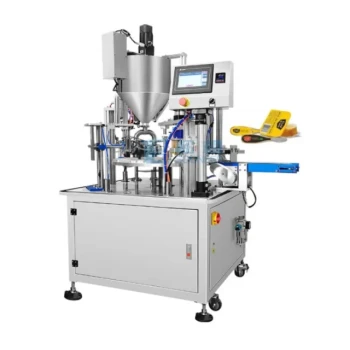
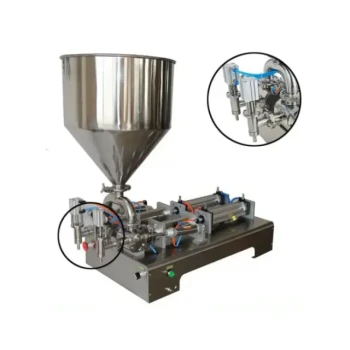
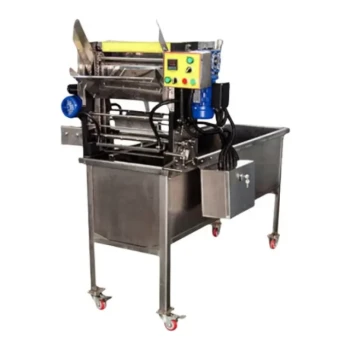
Automated honey filling machines and professional measurement tools improve efficiency by providing precise control over the net weight of each container, which directly reduces material waste and significantly increases packaging speeds. These industrial tools allow honey processors to effectively convert bulk honey into standardized retail products while simultaneously cutting labor costs and ensuring strict hygiene standards throughout the bottling process.
Manual bottling creates bottlenecks in speed and consistency that limit growth. By integrating automated filling and measurement systems, producers transition from bulk operations to high-volume retail production, ensuring safety, standardized weight, and drastic reductions in operational overhead.
Transforming Bulk Production into Retail Success
Achieving Precision Weight Control
The primary efficiency driver is the elimination of manual estimation. Automated machines utilize high-precision quantitative filling technology to ensure the net content of every bottle is identical.
This consistency allows processors to meet strict weight standards required for retail sales. It prevents the financial loss associated with "overfilling" containers, a common issue in manual operations.
Minimizing Operational Waste
Manual handling of viscous liquids like honey often results in spills, drips, and material loss. Professional measurement tools and automated filling heads are designed to minimize this product loss.
By controlling the flow and cutoff precisely, these systems ensure that the raw material goes into the package, not onto the production floor. This maximization of yield directly improves the operation's bottom line.
Enhancing Throughput and Scalability
Increasing Packaging Velocity
To move from local sales to commercial distribution, speed is essential. Automated systems offer high-speed filling processes that far outpace manual labor.
This capability allows enterprises to process large volumes of bulk raw honey rapidly. It removes the capping and filling limitations that typically stall production during peak seasons.
Reducing Labor Dependencies
Reliance on manual filling is labor-intensive and prone to fatigue-related errors. Automation significantly reduces labor costs by handling the repetitive tasks of filling, measuring, and sealing.
This allows facility managers to reallocate human resources to higher-value tasks, such as quality assurance or logistics management.
Ensuring Hygiene and Compliance
Eliminating Contamination Risks
Automated filling machines often operate as a closed system, which drastically reduces the honey's exposure to external air and human contact.
This isolation minimizes the risk of secondary contamination or cross-contamination. It is a critical factor for maintaining the integrity of organic products and ensuring food safety.
Meeting Retail Standards
Large retail chains and distributors demand standardized packaging and aesthetics. Automation ensures consistent liquid levels and professional sealing that manual methods struggle to replicate.
This standardization helps enterprises meet certification requirements and compliance standards. It effectively prepares the product for high-value consumer markets where brand presentation is paramount.
Understanding the Trade-offs
Maintenance of Precision
While automation reduces manual error, the precise metering controls require their own form of vigilance. These systems must be calibrated regularly to maintain their accuracy.
Failure to maintain the equipment can lead to systemic errors across large batches, rather than isolated errors found in manual filling.
Standardization vs. Flexibility
These machines excel at producing standardized retail products efficiently. However, this creates a trade-off regarding flexibility.
Switching between vastly different container sizes or honey types may require re-tooling or adjustment time, making these systems less agile than manual labor for very small, custom runs.
Making the Right Choice for Your Goal
To maximize the value of automated filling and measurement technology, align your equipment choice with your specific operational bottleneck.
- If your primary focus is Scalability: Prioritize high-speed filling machines that facilitate the conversion of bulk raw honey into mass-market retail units.
- If your primary focus is Profit Margins: Focus on equipment with high-precision quantitative controls to eliminate overfilling and reduce material waste.
- If your primary focus is Market Access: Select systems that offer closed-loop hygiene and standardized sealing to meet organic certifications and retail compliance requirements.
Automation is not just about speed; it is the bridge between bulk agricultural processing and a shelf-ready consumer brand.
Summary Table:
| Feature | Manual Filling | Automated Filling | Operational Impact |
|---|---|---|---|
| Weight Precision | Variable (Prone to overfilling) | High-precision quantitative control | Reduces material waste & increases profit |
| Processing Speed | Slow & labor-dependent | High-speed continuous output | Enables high-volume retail scalability |
| Hygiene Levels | Higher contamination risk | Closed-system operation | Ensures food safety & retail compliance |
| Labor Costs | High per-unit cost | Significantly reduced | Lowers overhead & reallocates resources |
| Consistency | Inconsistent levels/seals | Standardized professional finish | Enhances brand presentation & trust |
Elevate Your Honey Processing with HONESTBEE
Transitioning from bulk operations to a professional retail brand requires the right tools. HONESTBEE empowers commercial apiaries and distributors with premium honey-filling machines, high-precision measurement tools, and specialized hive-making equipment.
Whether you are scaling up for mass distribution or seeking to minimize operational waste, our comprehensive wholesale portfolio covers everything from heavy machinery to essential consumables and honey-themed cultural merchandise. Let us help you achieve superior throughput and impeccable standards.
Contact HONESTBEE Today for a Professional Equipment Consultation
References
- Ahmed Alghamdi, Nuru Adgaba. Structure and Performance of the Retail Outlets of Honey in the Kingdom of Saudi Arabia. DOI: 10.4236/fns.2014.513127
This article is also based on technical information from HonestBee Knowledge Base .
Related Products
- Fully Automatic Honey Filling Packaging Machine for Processing Line
- Automatic Honey Filling and Filtering Machine for Beekeeping Bottle Filling
- Precision Durable Efficient HONESTBEE Rotary Honey Filling Machine
- Semi Automatic Small Honey Bottle Filling Machine Honey Filler
- Precision Automated Packaging Turntable Honey Spoon Filling Sealing Packing Machine
People Also Ask
- Why are fully automatic honey filling and packaging lines essential? Boost Your Honey's Market Value and Quality
- What is a fully-automatic honey filler? Streamline Your Production with High-Precision Automation
- How do automated honey filling and packaging machines affect profitability? Boost Margins with HONESTBEE Technology
- How do automated honey filling and packaging machines contribute to the market value of honey products? Maximize Your ROI
- How do industrial-grade automated honey filling and packaging machines mitigate the risk of physical contamination?