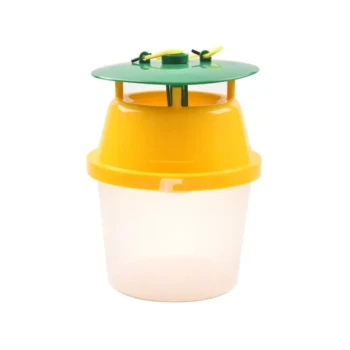
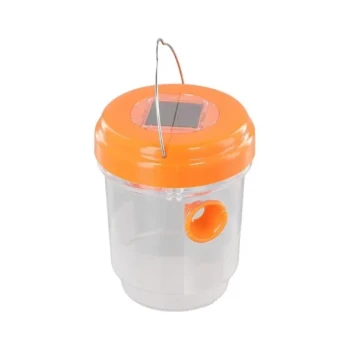
Bait-equipped traps operate as a targeted physical control method that utilizes biological attractants, such as meat or organic matter, to lure hornets away from honeybee colonies. By simulating specific food signals or pheromones, these devices intercept and capture predators, directly reducing the density of hornets patrolling the immediate perimeter of the apiary.
By functioning as both a population control tool and an early-warning monitoring system, these traps alleviate defensive stress on the colony and provide critical data for timing more intensive interventions.
The Mechanics of Attraction and Capture
Leveraging Biological Signals
To function effectively, traps rely on the principles of chemical communication. They utilize biological baits—specifically meat or organic matter—to release simulated pheromones or food signals.
These signals mimic the resources hornets naturally hunt for. This effectively diverts the predators' attention from the live bees to the trap itself.
Reducing Predator Density
The primary function of the trap is physical control. By capturing individual hornets, the device incrementally lowers the number of active predators in the area.
This reduction in density is critical. It decreases the overall predatory pressure on the apiary, making the environment safer for foraging bees even in challenging ecological conditions.
Strategic Impact on Colony Health
Alleviating Defensive Stress
When hornet density is high, worker bees must divert energy from foraging and hive maintenance to defense.
By intercepting attackers, bait traps significantly alleviate this defensive pressure. This allows the colony to function normally rather than remaining in a constant state of alert.
Protecting Winter Viability
The function of these traps extends beyond immediate safety. By protecting the workforce during peak predator activity (often in autumn), the traps help preserve the colony's numbers.
This protection is vital for maintaining wintering strength, ensuring the colony has enough resources and population to survive the colder months.
Understanding the Trade-offs
Monitoring vs. Eradication
It is important to understand that while traps reduce numbers, they also serve as monitoring devices. They are designed to detect changes in pest density before a large-scale attack occurs.
Beekeepers should view the catch rate as "early-warning data." High capture rates indicate a rising threat level, signaling the need for more intensive physical or chemical control measures.
The Necessity of Timing
Traps are most effective when timed correctly. Their function is maximized during the peak activity period of hornets, typically in the autumn.
Deploying them outside of these windows may result in lower efficacy or wasted resources, as the chemical signals may not align with the hornets' seasonal dietary needs.
Optimizing Defense for Your Apiary
To effectively utilize bait-equipped traps, align your strategy with your specific management goals:
- If your primary focus is immediate colony safety: Deploy traps with biological baits like meat to physically reduce the number of hornets attacking the hive entrance.
- If your primary focus is integrated pest management: Use the trap's capture count as a threshold indicator to determine when to escalate to chemical controls.
Effective defense relies on using the trap not just as a weapon, but as a source of intelligence.
Summary Table:
| Feature | Functionality | Strategic Benefit |
|---|---|---|
| Mechanism | Biological bait (meat/organic matter) | Diverts predators from live bees |
| Physical Control | Direct capture and containment | Reduces overall hornet density |
| Colony Impact | Decreased defensive alert state | Sustains foraging and winter viability |
| Data Analysis | Early-warning monitoring | Informs timing for intensive intervention |
Secure Your Apiary with HONESTBEE Professional Solutions
Protecting your commercial hives from aggressive hornet predation requires more than just basic traps—it requires professional-grade equipment and strategic insight. At HONESTBEE, we specialize in supporting commercial apiaries and distributors with a comprehensive wholesale portfolio. From specialized hornet-defense tools and hive-making machinery to essential industry consumables and honey-themed cultural merchandise, we provide everything needed to scale and safeguard your beekeeping operation.
Don't let predator pressure compromise your wintering strength. Contact HONESTBEE today to access premium beekeeping hardware and machinery tailored to your professional needs.
References
- Salim Hitouche, Messaoud Lazereg. Challenges of Beekeeping in Arid Regions. DOI: 10.61093/sec.8(4).191-204.2024
This article is also based on technical information from HonestBee Knowledge Base .
Related Products
- Gourd Shaped Hanging Wasp Trap Professional Wasp Catcher
- Compact Multi-Funnel Hanging Wasp Trap
- Reusable Clear Small Hive Beetle Traps for Beehives Beetle Trapping Tools
- Black Plastic Beetle Barn Hive Beetle Trap for Beehives
- Reusable Aluminium Beetle Trap for Small Hive Beetles Silver Bullet
People Also Ask
- How do professional wasp traps function? Master Physical Control of Oriental Hornets to Protect Your Apiary
- What are the practical advantages of using professional wasp traps and protective equipment in apiary management? Scale Up
- Why replace sugar syrup bait in wasp traps every three days? Ensure Maximum Attraction and Catch Rates
- What role do specialized wasp traps play in wasp control? Enhance Apiary Security and Pest Monitoring
- How can commercial apiary operators mitigate wasp predation around hives using specialized trapping equipment? Effective strategies for wasp control