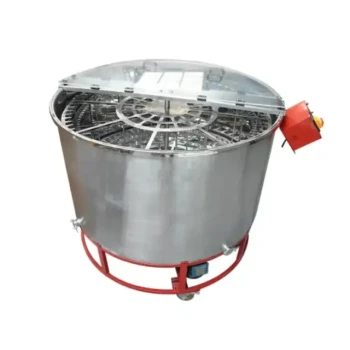
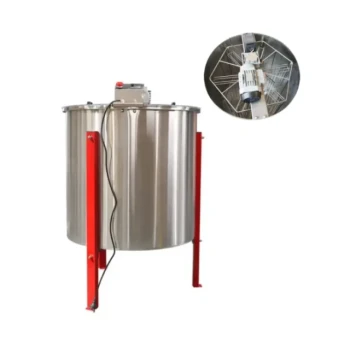
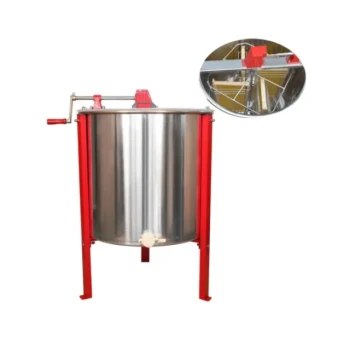
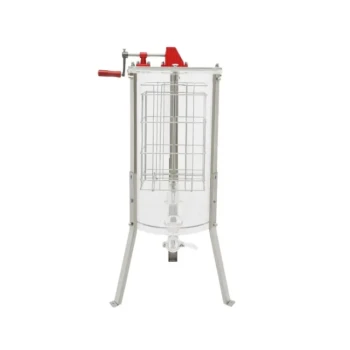
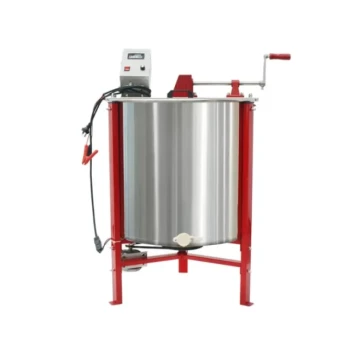
The primary method relies on centrifugal force. Beekeepers separate honey from wax using a specialized device known as a honey extractor. This machine spins the honeycomb frames at high speeds, forcing the liquid honey out of the cells while leaving the wax structure largely intact.
To extract honey efficiently, the wax seals must first be removed from the comb using a heated tool. The frames are then placed in a manual or motorized extractor, which utilizes centrifugal physics to spin the honey out without destroying the reusable wax foundation.
The Mechanics of Extraction
Preparing the Honeycomb
Before the extraction device can be used, the honey is physically locked inside the comb. Bees seal filled cells with a thin layer of beeswax known as "cappings."
To access the honey, beekeepers must uncap the cells. This is typically done using a special "hot knife" or scraper to slice the wax caps off the surface of the comb.
Collecting the Byproduct
The wax removed during uncapping is not discarded. Beekeepers collect these scrapings in a large metal container, similar to a deep oven tray.
This "capping wax" is highly valued. While the main goal is honey extraction, this wax is set aside to be cleaned and rendered for other uses later.
Applying Centrifugal Force
Once uncapped, the frames are placed inside the honey extractor. This device creates a spinning motion, similar to the spin cycle of a washing machine.
As the device rotates—powered either by a hand crank or an electric motor—centrifugal force acts on the honey. The liquid is pulled out of the cells and flung against the inner walls of the drum, where it drips down for collection.
Understanding the Trade-offs
Equipment Complexity vs. Simplicity
Using a motorized extractor is highly efficient for processing large volumes, but it represents a significant financial investment.
Manual extractors are more affordable but require physical stamina to crank. Simpler methods, like the "scrape and drain" technique, require almost no equipment but are messy and labor-intensive.
Preservation of the Comb
The most distinct advantage of using an extractor is that it preserves the wax comb. Because the force is centrifugal, the delicate walls of the honeycomb remain standing.
This allows the beekeeper to return the empty frames to the hive. The bees can then immediately refill them with nectar rather than spending energy rebuilding the wax structure.
Making the Right Choice for Your Goal
Whether you choose a sophisticated machine or a simple manual tool depends on the scale of your operation.
- If your primary focus is volume and efficiency: Invest in a motorized extractor to process honey quickly while preserving the drawn comb for future use.
- If your primary focus is low-cost entry: Utilize a manual extractor or basic scraping tools, accepting that this will require more physical labor and time.
The extraction method you choose dictates not just the quality of your honey harvest, but the speed at which your colony can recover and produce again.
Summary Table:
| Extraction Method | Primary Mechanism | Equipment Needed | Wax Preservation | Scale of Operation |
|---|---|---|---|---|
| Centrifugal Extraction | High-speed spinning | Motorized/Manual Extractor | High (Reusable) | Commercial / Professional |
| Uncapping | Slicing seals | Hot knife or scraper | Moderate (Cappings) | All Levels |
| Scrape & Drain | Gravity / Crushing | Basic scraping tools | Low (Destroyed) | Small Hobbyist |
Maximize Your Honey Yield with HONESTBEE
At HONESTBEE, we specialize in empowering commercial apiaries and global distributors with high-performance beekeeping solutions. Whether you are scaling up production or outfitting a wholesale inventory, our comprehensive range of honey extractors, hive-making machinery, and specialized honey-filling equipment ensures peak efficiency and product quality.
From industrial-grade hardware to essential consumables and honey-themed cultural merchandise, we provide the tools you need to succeed in the competitive beekeeping market. Contact us today to discuss your wholesale requirements and discover how our expertise can streamline your honey harvesting process.
Related Products
- HONESTBEE 72 Frame Industrial Electric Honey Extractor for Beekeeping
- Commercial Electric 12 Frame Honey Extractor Spinner Motorized Honey Extractor
- HONESTBEE 3-Frame Manual Acrylic Honey Extractor
- electric honey extractor honey centrifuge 3 frame honey extractor stainless steel honey frame extractor
- HONESTBEE 6 Frame Self Reversing Electric Honey Extractor for Beekeeping
People Also Ask
- What is the importance of balancing honeycomb frames within a honey extractor? Ensure Stability and Protect Machinery
- How is honey separated from the frames after they are uncapped? Efficient Extraction Methods for High Yields
- What are the main benefits of using a honey extractor? Maximize Yields and Protect Your Honeycomb
- What are the recommended methods for removing honey from the honeycomb? Top Extraction Techniques for Maximum Efficiency
- How do manual honey extractors compare to electric honey extractors? Choosing the Right Tool for Your Apiary Growth