Safeguarding stingless bee colonies in agricultural zones relies on a synchronized system of active detection and passive defense. Environmental monitoring equipment serves as an early warning system, providing real-time alerts regarding critical changes in the surroundings, such as the application of chemical pesticides. To complement this, physical protection materials—specifically specialized shading and isolation consumables—create an immediate physical barrier that prevents harmful agents from reaching the hive.
The most effective protection strategy combines real-time data on environmental hazards with physical barriers to shield the colony. This integration allows stingless bees to coexist with traditional agriculture by mitigating the specific risks of chemical exposure and physical disturbance.
The Role of Environmental Monitoring
Real-Time Threat Detection
In agricultural settings, the primary threat to stingless bees is often the sudden introduction of chemical agents. Environmental monitoring equipment tracks changes in the immediate area continuously.
Actionable Warnings
These systems provide real-time warnings when they detect environmental shifts, specifically flagging pesticide application events. This allows the apiarist to take immediate protective measures before the chemicals can infiltrate the colony.
Situational Awareness
By establishing a data stream regarding the surrounding environment, apiarists gain the visibility needed to anticipate risks rather than reacting after colony health has declined.
Physical Protection Mechanisms
Establishing External Barriers
Physical protection equipment acts as the colony's shield. Specialized isolation consumables are used to seal or cover the hives, physically preventing bees from coming into contact with harmful chemical residues found in the air or on nearby flora.
Regulating the Micro-Environment
In addition to chemical isolation, specialized shading materials protect the apiary from harsh environmental extremes. This reduces stress on the colony, ensuring they remain resilient enough to withstand external agricultural pressures.
Internal Physical Safety
Physical protection extends to the internal handling of the colony. Specialized brood chamber isolation equipment allows for the separation of the brood, honey, and pollen pots without causing physical trauma.
Preventing Structural Damage
These specialized tools ensure that the queen bee and fragile brood combs are not injured during management or splitting. Preserving the physical integrity of the nest significantly improves the survival rate and shortens the recovery cycle of the colony.
Understanding the Trade-offs
The Human Factor
While monitoring equipment provides data, it requires a human operator to act on that information immediately. Technology detects the threat, but it cannot physically move the hives or seal them without manual intervention or automated secondary systems.
Complexity of Implementation
Integrating specialized physical protection tools, particularly for internal brood isolation, requires a higher degree of technical skill than traditional beekeeping methods. Improper use of isolation equipment during colony arrangement can inadvertently cause the very damage it is designed to prevent.
Equipment Costs vs. Colony Value
Deploying advanced monitoring sensors and specialized isolation consumables represents an upfront investment. For smaller operations, the cost of this technology must be weighed against the potential economic loss of colony collapse due to pesticide drift.
Implementing a Protective Strategy
To successfully maintain stingless bees in agricultural areas, you must choose equipment that addresses your specific environmental risks.
- If your primary focus is preventing chemical poisoning: Prioritize high-quality environmental monitoring sensors that offer instant alerts on pesticide application.
- If your primary focus is colony resilience and recovery: Invest in specialized physical isolation tools to protect the queen and brood during necessary hive management.
- If your primary focus is mitigating environmental stress: Utilize specialized shading and external isolation consumables to create a stable, buffered micro-climate for the apiary.
By layering intelligent monitoring with robust physical barriers, you convert a vulnerable apiary into a secure environment capable of thriving alongside agricultural activity.
Summary Table:
| Protection Category | Equipment Type | Primary Function | Key Benefit |
|---|---|---|---|
| Environmental Monitoring | IoT Sensors & Real-time Alerts | Detects chemical sprays & weather shifts | Provides early warnings for immediate action |
| External Defense | Shading & Isolation Consumables | Physical barrier against pesticide drift | Prevents hive contamination and heat stress |
| Internal Safety | Brood Chamber Isolation Tools | Separates brood, honey, and pollen | Protects queen and larvae during management |
| Micro-climate Control | Specialized Shading Materials | Regulates hive temperature | Enhances colony resilience in agricultural zones |
Maximize Your Colony Survival with HONESTBEE Professional Solutions
Stingless bee colonies in agricultural settings require more than just a hive; they need a sophisticated defense ecosystem. HONESTBEE specializes in empowering commercial apiaries and distributors with the high-performance tools necessary to thrive in challenging environments.
From precision monitoring sensors that offer real-time situational awareness to specialized brood isolation hardware and shading consumables, we provide the full spectrum of beekeeping machinery and equipment. Whether you are looking to automate honey-filling or source durable hive-making machinery, our portfolio is designed to increase your operational efficiency and protect your investment.
Ready to elevate your beekeeping operation? Contact HONESTBEE Today to explore our wholesale offerings and secure your apiary's future.
References
- Agung Sih Kurnianto, Sutikno Sutikno. EVALUASI BEBERAPA MODAL KEBERLANJUTAN DALAM PELATIHAN PETERNAKAN KLANCENG APIS TRIGONA DI DESA SANENREJO, JEMBER. DOI: 10.31764/jpmb.v7i2.14162
This article is also based on technical information from HonestBee Knowledge Base .
Related Products
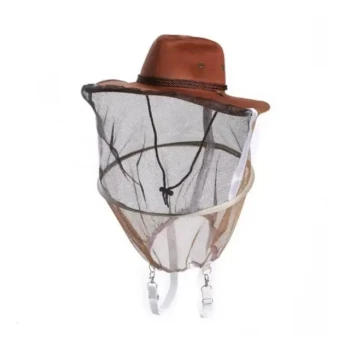
- Premium Cowboy Beekeeper Hat with Visibility Veil Outdoor Professional Beekeeping Protective Gear
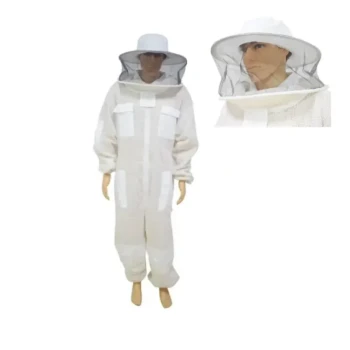
- White Cotton Beekeeping Jacket and Veil for Bee Keepers
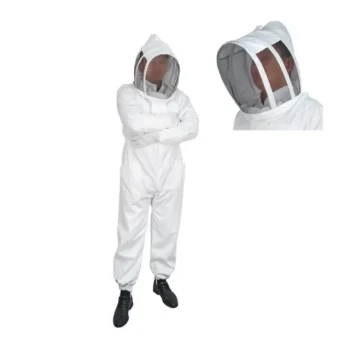
- Beekeeping Jacket with Hood and Veil for Beekeepers
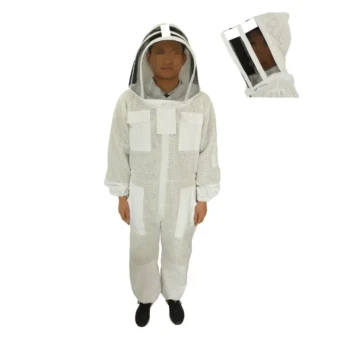
- Premium Three Layer Ventilated Bee Suit with Round Veil
- Premium Cotton Beekeeper Suit with Reinforced Fencing Veil
People Also Ask
- What design features contribute to the stability and fit of the beekeeper hat? Key Features for Maximum Hive Safety
- How is the beekeeper hat designed for comfort and practicality? Explore Key Features for Enhanced Apiary Safety
- What is the general protective gear recommendation for new beekeepers? Your Essential Beginner's Safety Guide
- How does beekeeping protective gear facilitate the queen bee selection process? Enhancing Precision in Queen Breeding
- What should beekeepers consider when choosing protective gear? A Guide for Maximum Safety & Comfort